Netflix’s critically acclaimed series, The OA, which aired from 2016 to 2019, captivated audiences with its intricate plot and mysterious themes. Despite its artistic achievements, the show was abruptly canceled after two seasons, leaving many viewers dissatisfied and yearning for closure. This decision highlights a growing trend in the streaming industry, where potential is often overlooked in favor of immediate viewership metrics.
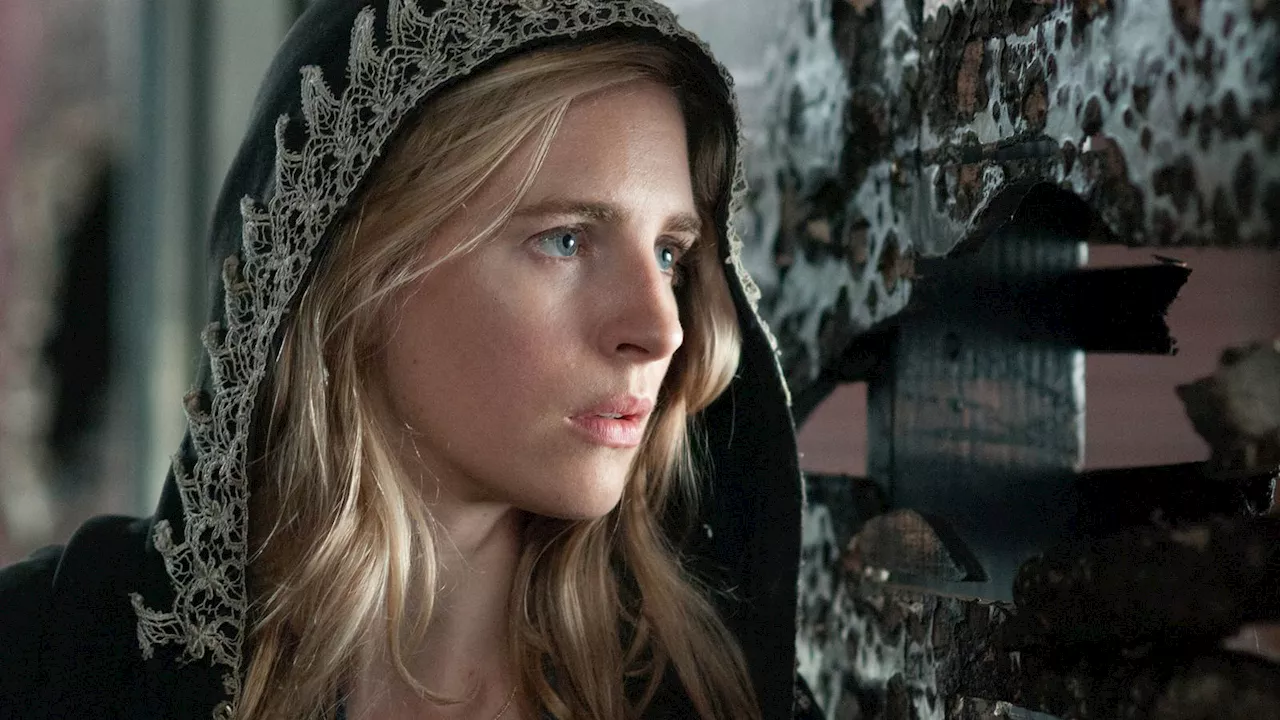
The premise of The OA centers around Prairie, a blind young woman who mysteriously returns home with her sight restored. As the narrative unfolds, the show delves into complex themes of angel mythology, alternate realities, and the transformative power of dance. The series gained a dedicated fanbase, sparking numerous theories and discussions about its enigmatic storyline.
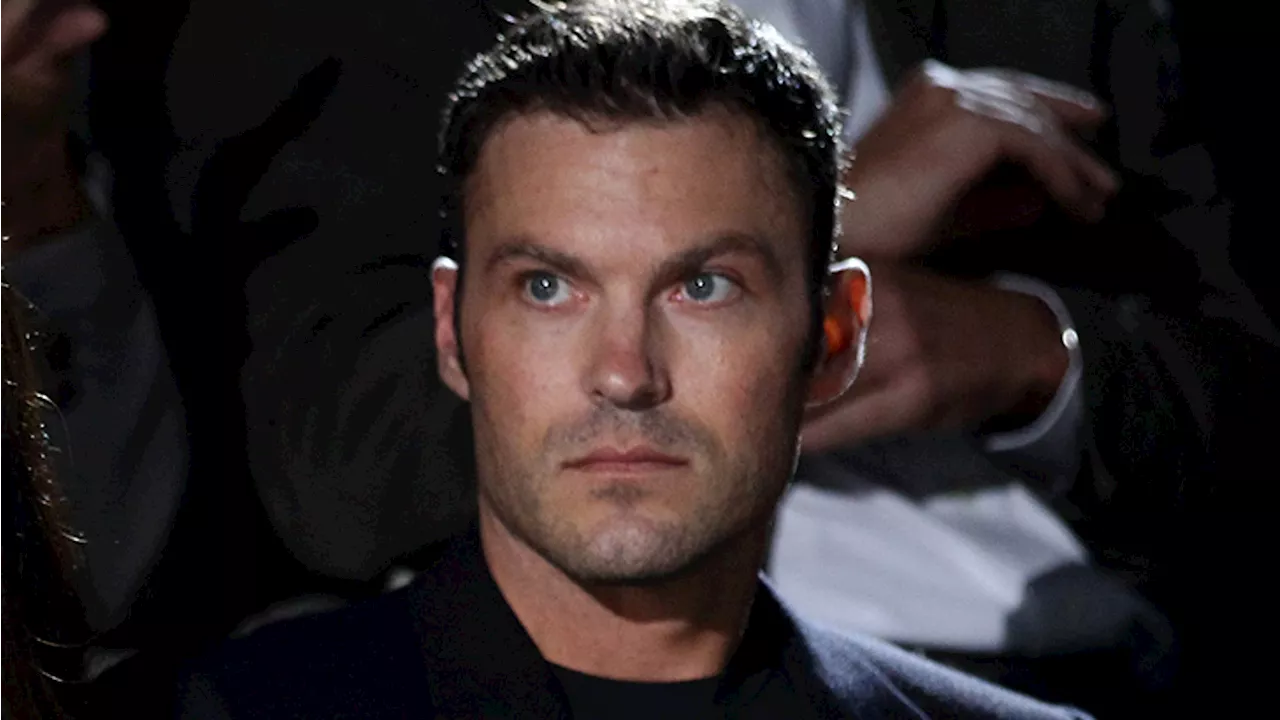
The conclusion of season two left audiences with a significant cliffhanger. Prairie and her companions find themselves on a film set, blurring the lines between fiction and reality. In a shocking twist, characters began using the real names of their actors, with Jason Isaacs’s character claiming to be married to Brit Marling, the show’s creator and lead actress. This meta-narrative shift left fans bewildered, unable to predict the direction of the story.
Despite the unresolved ending, many viewers argue that The OA is still worth watching. The show received positive acclaim, earning an 84% critic score and an 83% audience score on Rotten Tomatoes. Its unique blend of genres, including elements of fantasy and science fiction, provides a refreshing alternative to more formulaic offerings within the genre. The emotional depth of the story, alongside its striking cinematography, has solidified its status as one of the more unusual television experiences.
Brit Marling expressed her disappointment regarding the cancellation in an interview with The New York Times. She described the evolving landscape of streaming as a disruption to creative storytelling, labeling it a “broken business model.” As streaming services increasingly prioritize viewership metrics over quality content, the cancellation of The OA exemplifies the challenges faced by innovative series that require time and investment to develop their narratives fully.
The fate of The OA serves as a cautionary tale for both creators and viewers. The unpredictable nature of show cancellations can deter audiences from engaging with new content, as the fear of abrupt endings looms large. Critics argue that Netflix’s focus on immediate metrics may ultimately hinder its ability to nurture ambitious and boundary-pushing programming.
As the streaming landscape continues to evolve, there remains a growing demand for shows like The OA, which challenge conventional storytelling. The series has left a lasting impact on its viewers, fostering discussions about the nature of reality and the complexities of human experience. Despite its frustrating ending, many continue to champion The OA as an essential viewing experience for fans of imaginative and thought-provoking television.