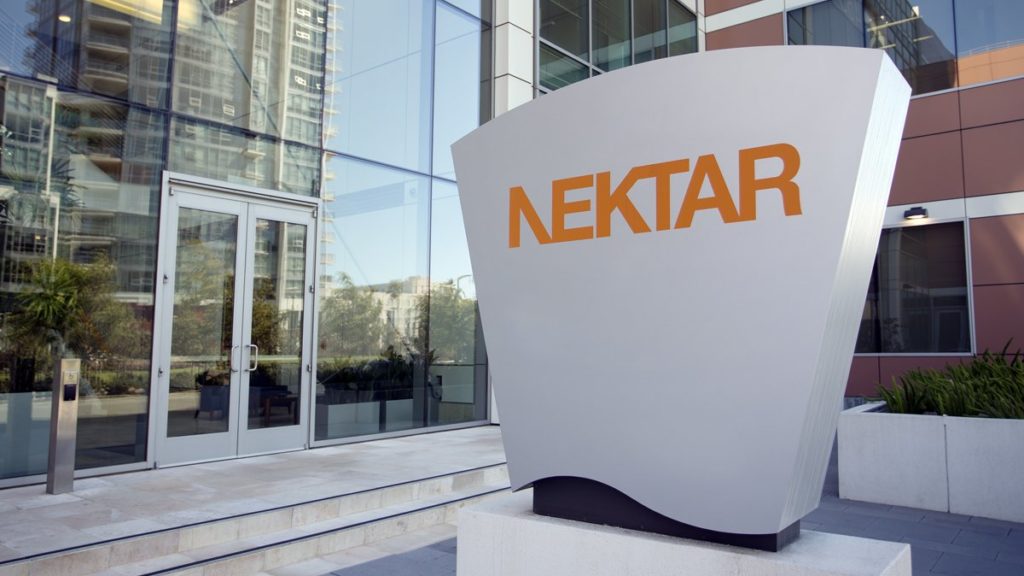
Nektar Therapeutics is at a crucial juncture as the biopharmaceutical company prepares to release one-year maintenance results from its Phase 2 study on treatment for moderate-to-severe eczema, known clinically as atopic dermatitis. The data are anticipated to be released this month and could significantly impact the company’s stock, which has fallen more than 40% since November.
This pivotal study evaluates the efficacy of Nektar’s treatment against established competitors, particularly Dupixent and Ebglyss. Both of these drugs have demonstrated strong performance in maintaining skin lesion response, with approximately 70% of patients achieving an EASI75 score. This score indicates a 75% improvement in the severity of skin lesions, a benchmark against which Nektar’s results will be measured.
Market Context and Expectations
The current market landscape for atopic dermatitis treatments is competitive, with patients needing to achieve an EASI75 response after a 16-week induction period before qualifying for maintenance treatments. Nektar’s upcoming data will be scrutinized for its ability to meet or exceed this standard, particularly given the recent downturn in its stock value.
Investors are closely watching how the company navigates this critical phase. If Nektar can demonstrate comparable efficacy to its rivals, it may not only stabilize its stock but also position itself favorably in a market poised for growth. The company has faced challenges, but success in this study could signal a potential turnaround.
Nektar’s commitment to innovation in the biopharmaceutical sector is evident as it strives to regain momentum. The upcoming results from the rezpeg Phase 2 study will play a crucial role in determining the company’s future trajectory. Stakeholders are hopeful that the data will reflect a strong efficacy profile, allowing Nektar to reclaim its position in the market.
Implications for Patients and Investors
For patients suffering from atopic dermatitis, effective treatment options are vital for improving quality of life. As the market evolves, therapies that can deliver significant results will be essential. The results from Nektar’s study could provide another option for those affected, contributing to a more diverse treatment landscape.
On the investor side, the stakes are high. A favorable outcome could not only reverse the current trend in Nektar’s stock but also enhance investor confidence in the company’s future endeavors. Conversely, disappointing results could raise concerns about the company’s viability and its ability to compete in an increasingly crowded market.
As the release date approaches, both patients and investors await the findings with anticipation. The outcome of Nektar Therapeutics’ Phase 2 study will be a significant indicator of the company’s potential to bounce back and make its mark in the biopharmaceutical field.