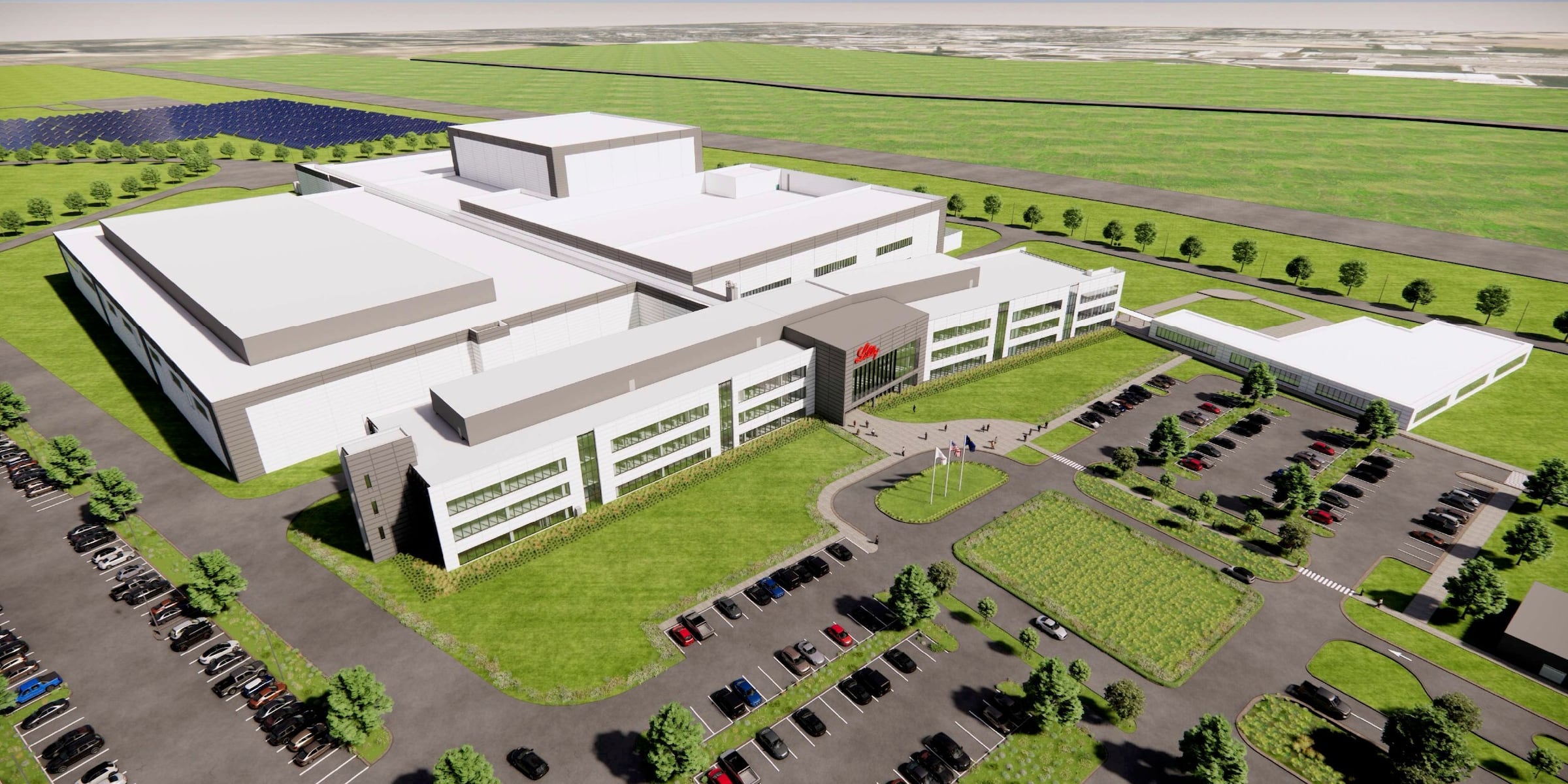
Eli Lilly has unveiled plans for a new pharmaceutical manufacturing facility in Upper Macungie Township, Pennsylvania, representing a significant investment of $3.5 billion. This announcement comes after the company previously opted to build in another state, but Pennsylvania Governor Josh Shapiro was determined to secure the project for his state.
In a recent call with Eli Lilly CEO David Ricks, Shapiro emphasized Pennsylvania’s potential as a prime location for future investments. The plant, which will sit on Main Street, is one of four multi-billion-dollar facilities Lilly plans to establish as part of a broader $50 billion capital strategy. The selection of the Lehigh Valley site was part of a competitive process involving over 300 applications.
Significant Economic Impact for the Region
Governor Shapiro heralded this development as the largest investment in life sciences in Pennsylvania’s history, while the Lehigh Valley Economic Development Corporation noted it as the largest regional economic investment in its 30-year history. At a recent event attended by over 200 people at the Da Vinci Science Center in Allentown, speakers characterized the investment as “once in a generation.”
The facility is expected to create approximately 2,000 construction jobs and around 850 permanent jobs once operational. Ricks highlighted that employees at Lilly facilities earn an average salary of $100,000 annually, which he noted has the potential to “change the trajectory of families.”
Located at 9802 Main St., the plant will focus on producing innovative medications, particularly weight-loss drugs like Zepbound and Retatrutide, the latter of which is pending approval from the U.S. Food and Drug Administration (FDA). Ricks acknowledged the risks associated with proceeding before receiving FDA approval but emphasized that the pharmaceutical industry thrives on calculated risks.
Support from State and Local Partners
To facilitate the development, Shapiro mentioned that state and local partners are streamlining the permitting and land development processes, ensuring that necessary approvals are prioritized. The state has committed $5 million for training programs aimed at equipping local workers with the skills needed for employment at the plant. Additionally, a new interchange off Interstate 78 will enhance access to the facility.
In a broader context, Shapiro pointed to Pennsylvania’s rich history of manufacturing and industry, which includes the legacy of companies like Bethlehem Steel and the region’s silk mills. He noted the strength of the local workforce and the resources provided by nearby colleges and universities as critical factors attracting Eli Lilly to the area.
Overall, this development not only reinforces Pennsylvania’s status as a leader in the life sciences sector but also aligns with the state’s position as a significant player in vaccine production, contributing to half of all vaccines manufactured in the United States.
Ricks articulated the societal benefits of the medications produced at the new facility, stating, “If we can arrest obesity in our country, we can change the health outcomes for millions and millions of people.” With an operational target set for 2031, Lilly plans to ship its first products from the site within three years, marking a new chapter in the region’s economic landscape.
The collaboration among local stakeholders, including landowner David Jaindl, Upper Macungie Township officials, and educational institutions, reflects a united effort to advance the Lehigh Valley’s standing in the life sciences industry. The establishment of the Eli Lilly plant is poised to bring transformative changes to the local economy in the coming years.