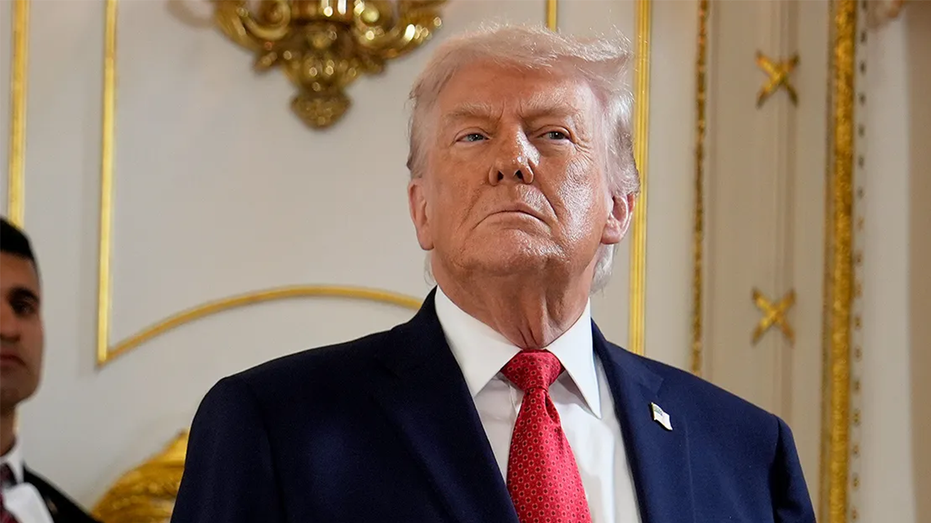
President Donald Trump issued a stark warning to Iraq on November 7, 2025, urging citizens to reject the potential reinstatement of controversial former Prime Minister Nouri al-Maliki. Trump’s statements, made via the Truth Social platform, reflect escalating concerns regarding al-Maliki’s ties to Iran and his previous governance, which Trump characterized as marred by corruption and mismanagement.
In his message, Trump expressed apprehension that reinstating al-Maliki would lead Iraq back into a state of chaos, stating, “Last time Maliki was in power, the Country descended into poverty and total chaos.” He further threatened that if al-Maliki were to regain office, the United States would cease its support for Iraq, declaring, “If we are not there to help, Iraq has ZERO chance of Success, Prosperity, or Freedom.”
A parliamentary session intended to elect a new president who would subsequently appoint a prime minister was scheduled for the same day. However, the meeting was canceled due to a lack of quorum, leaving Iraq’s political future uncertain.
Political Landscape and U.S. Concerns
Al-Maliki’s return to politics raises alarms for the Trump administration, which opposes his bid for a third term due to his close affiliations with the Islamic Republic of Iran, designated by the U.S. as a state sponsor of terrorism. Al-Maliki served as prime minister from 2006 to 2014, a period marked by significant sectarian violence and the rise of the Islamic State. His government faced criticism for failing to form an inclusive administration that represented all Iraqi factions.
Secretary of State Marco Rubio recently conveyed to caretaker Prime Minister Mohammed al-Sudani the U.S. government’s apprehensions regarding a pro-Iranian government taking control in Iraq. According to Tommy Pigott, spokesperson for the U.S. State Department, Rubio emphasized that a government heavily influenced by Iran would compromise Iraq’s ability to prioritize its own interests and maintain regional stability.
Al-Maliki responded to Trump’s comments by rejecting what he termed “blatant American interference” in Iraq’s internal affairs, asserting the importance of Iraq’s sovereignty.
Iran’s Influence in Iraqi Politics
The growing influence of Iran in Iraqi politics has drawn scrutiny from both local and international observers. Analysts suggest that Iran is actively seeking to maintain its foothold in Iraq, particularly as it faces diminishing regional influence following recent conflicts.
Entifadh Qanbar, a former spokesman for the Iraqi deputy prime minister, noted Iran’s substantial control over Iraqi political processes. He stated that even if al-Maliki is not reinstated, Iran would likely propose another candidate acceptable to both Tehran and Washington. He elaborated that the elections are less about genuine competition and more about ensuring that Iranian-backed factions dominate the political landscape.
Qanbar highlighted systemic electoral manipulations designed to favor Iran’s proxies, stating, “The process has been systematically engineered to ensure that Iran’s proxies win without meaningful resistance.” He likened the electoral climate to a rigged game, where dissenting voices are marginalized or silenced.
An Iraqi Kurdish official echoed these sentiments, revealing that under al-Sudani’s government, Iranian-backed groups have significantly increased their presence within the Iraqi state apparatus, reportedly receiving over $3 billion annually. The official remarked on Iran’s formalization of its oil blending operations in Basra, emphasizing the financial ties that have developed between Iraq’s banking system and Iran.
As Iraq navigates these complex political dynamics, the outcomes of forthcoming elections and international reactions remain critical. The implications of Trump’s statements highlight the delicate balance of power between Iraq, Iran, and the United States, underscoring the challenges faced by Iraq in establishing a stable and sovereign government.