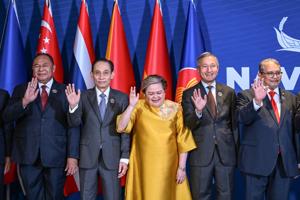
The Association of Southeast Asian Nations (ASEAN) has officially declared that it does not recognize the elections held in Myanmar, which took place on August 27, 2023. This announcement was made by the Philippine Foreign Secretary, Enrique Manalo, during a press briefing on Thursday in Cebu, Philippines. The elections were the first since the military coup in February 2021, which led to widespread condemnation and sanctions from various international bodies.
Manalo clarified that ASEAN’s stance reflects the organization’s ongoing concerns regarding the democratic processes in Myanmar. The elections, which critics argue were neither free nor fair, have been criticized for their lack of legitimacy. Many opposition leaders remain in detention or have been forced into hiding since the coup, casting further doubt on the electoral process.
In a broader context, ASEAN’s position underscores the challenges it faces in addressing political instability within its member states. The group’s commitment to non-interference in domestic affairs has often complicated its ability to respond decisively to crises. Following the coup, ASEAN initiated a five-point consensus aimed at restoring peace and stability in Myanmar, but progress has been minimal.
The elections garnered limited international recognition, with several countries and organizations, including the United Nations, expressing skepticism about their validity. According to reports, fewer than 30% of eligible voters participated, reflecting widespread public disillusionment with the military-led government.
Manalo emphasized that the Philippine government remains committed to supporting a return to democracy in Myanmar. He urged the military regime to engage in dialogue with all political stakeholders to pave the way for a more inclusive political future.
The international community continues to monitor the situation closely, as Myanmar’s political landscape remains volatile. ASEAN’s recent statement reinforces the need for a coordinated approach to address the ongoing humanitarian crisis and political unrest stemming from the military’s actions.
In conclusion, the rejection of Myanmar’s elections by ASEAN reflects not only the group’s internal challenges but also the broader implications for regional stability and democratic governance. As the situation evolves, the international response will likely shape Myanmar’s path forward in the coming months.