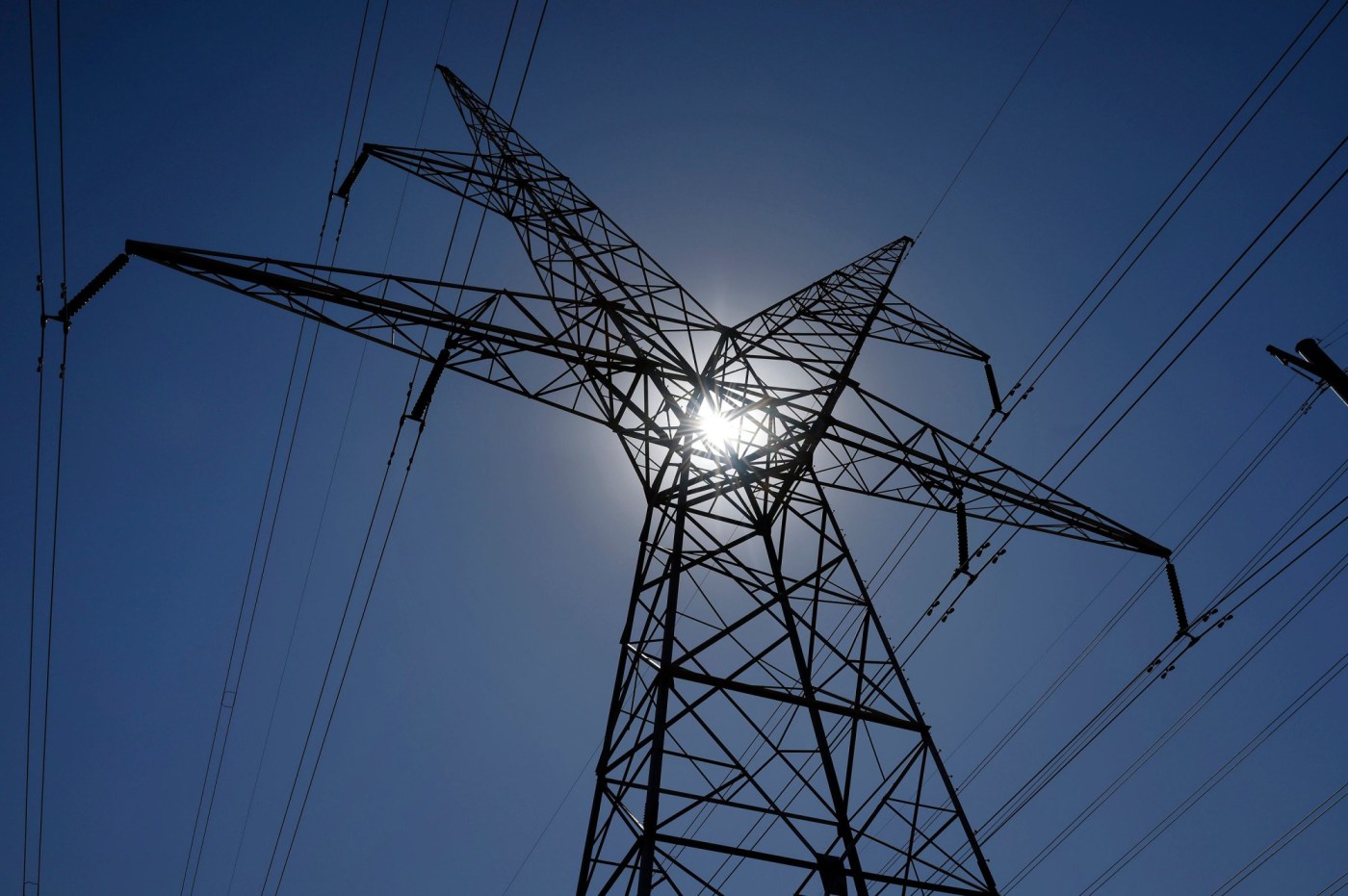
As Winter Storm Fern sweeps through the Carolinas, Duke Energy has reported over 18,000 outages as of 16:00 on January 25, 2026. The storm has brought freezing rain and sleet, causing significant damage to trees, limbs, and power lines. With temperatures remaining low, the risk of additional outages continues as ice accumulation poses an ongoing threat to infrastructure.
Ongoing Restoration Efforts
As of the latest update, Duke Energy has successfully restored power to 24,864 customers across the region. Lineworkers are actively assessing damage and working to restore power wherever conditions permit. The company has implemented self-healing technology to reroute power around damaged areas, enhancing recovery efforts.
Despite these efforts, the number of outages is expected to rise as the storm progresses. According to Rick Canavan, Duke Energy’s storm director, “Winter Storm Fern is still creating dangerous conditions across the Carolinas, and we expect outage numbers to rise as ice keeps bringing down trees and power lines.” Canavan emphasized that the danger of ice damage can persist long after the storm has passed, making restoration a challenging task.
As of now, the breakdown of outages indicates that in North Carolina, 23,258 customers have had their power restored, with 14,802 still without power. In South Carolina, 1,606 customers have had their power restored, leaving 3,214 without power.
Guidance for Customers
Duke Energy urges customers to remain safe during this period. “Always stay away from downed and sagging power lines; use generators safely and according to the manufacturer’s instructions,” the company advises. Currently, more than 18,000 lineworkers, vegetation specialists, damage assessors, and storm support staff are mobilized to tackle the ongoing crisis.
The restoration process follows a carefully staged approach, prioritizing the repair of large transmission lines and emergency facilities first. This method ensures that power can be restored to the greatest number of customers in the shortest time possible. The absence of visible utility trucks in residential areas does not indicate inactivity; crews may be engaged in repairs at upstream locations that must be addressed before local power can be restored.
Duke Energy is prepared to utilize helicopters, drones, and specialized equipment to assess damage. In addition, out-of-state crews are on standby, ready to assist as soon as conditions allow.
During this period of extreme cold, customers with power are encouraged to conserve energy to manage increased consumption due to lower temperatures. Practical tips include setting thermostats to lower settings, checking air filters for cleanliness, and making use of sunlight for natural heating.
For real-time outage information, customers can visit Duke Energy’s Outage Map and follow updates on social media platforms.
Duke Energy, a major energy provider headquartered in Charlotte, North Carolina, serves approximately 4.7 million electric customers across the Carolinas. The company is committed to enhancing grid reliability and transitioning towards cleaner energy sources while ensuring customer safety and service continuity.