The NCAA’s Vice President of Basketball, Charles Bediako, has issued a statement addressing the recent ruling that affects his eligibility following his stint in the NBA G-League. Bediako’s return to Alabama basketball has sparked significant discussion among college basketball fans and experts alike. This situation is particularly notable as it highlights the complexities surrounding NCAA eligibility rules amid ongoing legal challenges.
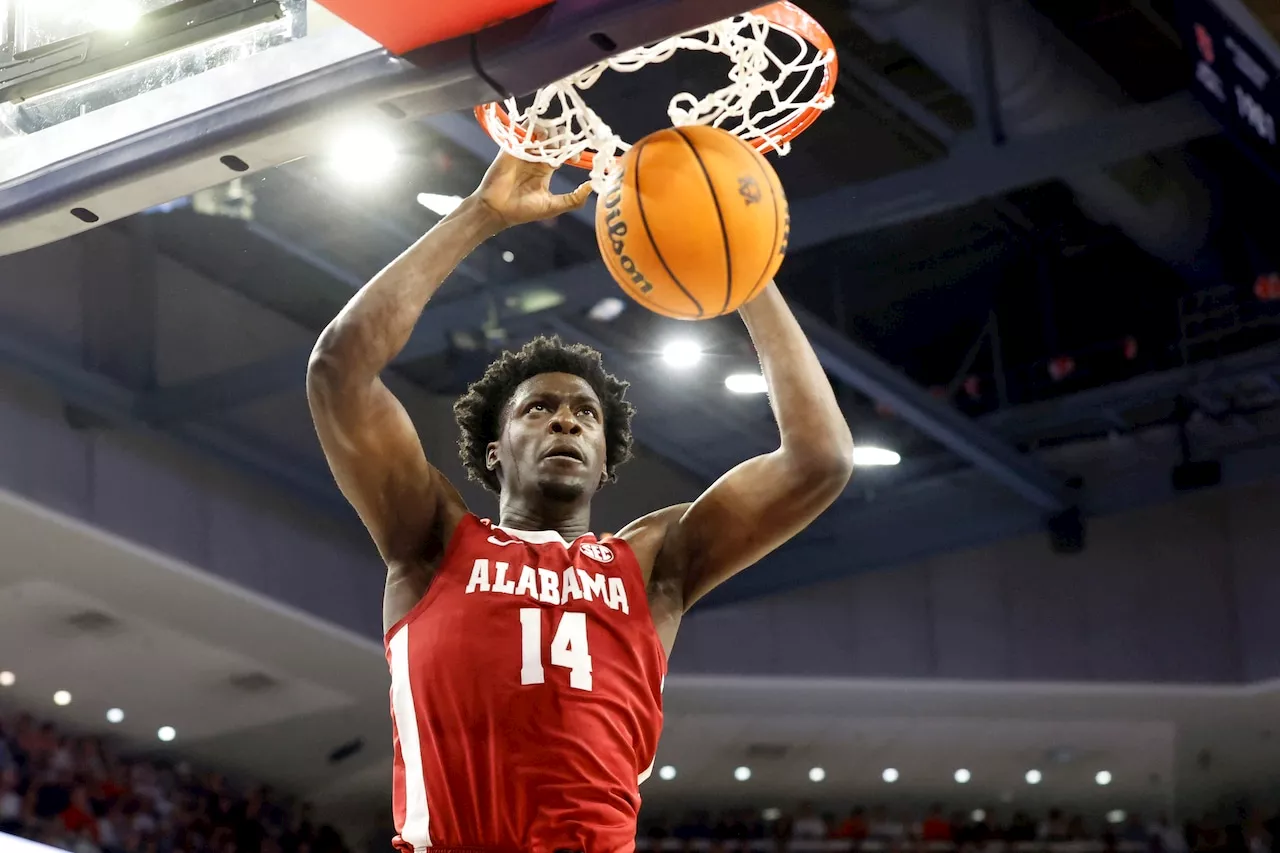
Bediako, an Alabama forward, regained his collegiate eligibility after spending time in the NBA’s G-League, becoming a focal point in discussions about player pathways between college and professional basketball. The NCAA’s updated guidelines, which were put in place several years ago, aim to provide clarity for student-athletes considering their options regarding the NBA draft.
“Several years ago, the NCAA membership updated rules regarding how student-athletes can gather information while making a decision on whether to enter the NBA draft or withdraw from the process to maintain their collegiate eligibility,” the NCAA stated. Under these regulations, players must request an evaluation from the NBA Undergraduate Advisory Committee to participate in the draft without forfeiting their eligibility.
Additionally, players are allowed to participate in the NBA Draft Combine without losing their collegiate status. Agents certified by the National Basketball Players Association and the NCAA can cover costs such as meals and transportation for players and their families during the agent selection process and meetings with professional teams.
The NCAA has set a deadline of ten days following the NBA Draft Combine for players to decide whether to remain in the draft or return to NCAA basketball. Those who choose to stay in the draft will lose their college eligibility, a rule that the NCAA emphasizes is critical for maintaining a stable environment for student-athletes, universities, and the NBA.
Should the rules surrounding pre- and post-draft eligibility be unenforceable, it could lead to significant instability not only for the athletes but also for colleges as they construct their rosters for upcoming seasons. Bediako’s case serves as a reminder of the ongoing challenges and the importance of clarity in these regulations amidst recent court challenges.
The NCAA’s commitment to these established rules is evident as they navigate the evolving landscape of college basketball. Andrew Hammond, a journalist with nearly 20 years of experience, has covered various facets of sports journalism, including college basketball, and provides further insights into the implications of this ruling on the sport.
As discussions continue around Bediako and similar cases, the NCAA’s response highlights the balancing act of maintaining fair competition while also providing pathways for athletes to explore professional opportunities. The organization remains vigilant in upholding the integrity of college basketball during a time of significant change and legal scrutiny.