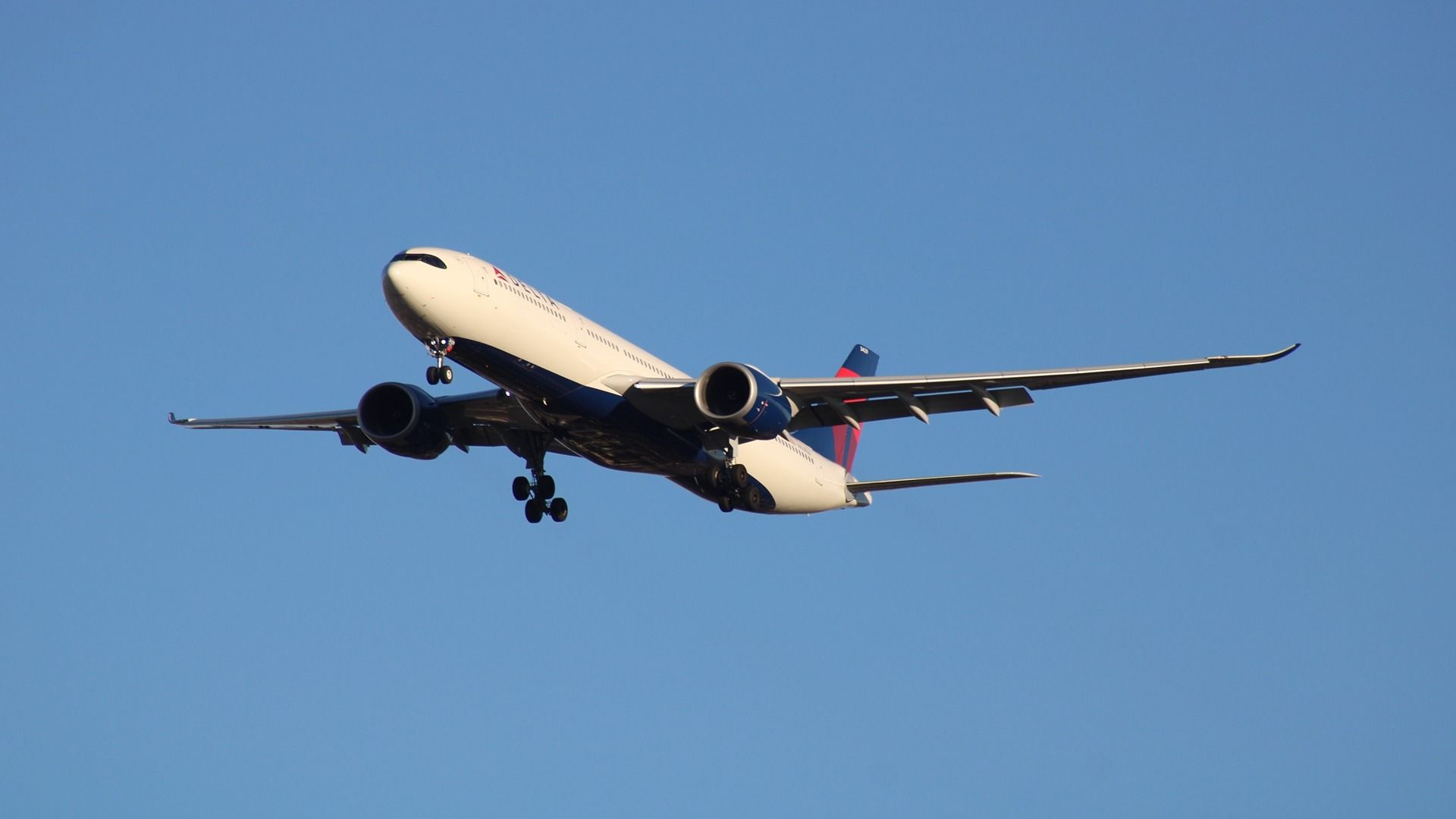
Delta Air Lines has unveiled plans to enhance its long-haul service by introducing ten new routes utilizing the Airbus A330neo aircraft starting in January 2025. This strategic move reflects the airline’s commitment to optimally serving city pairs that are far apart yet exhibit moderate demand. With the A330neo positioned between the Boeing 767 and the Airbus A350 in terms of capacity, Delta is poised to improve its efficiency and service offerings on select international routes.
The Airbus A330neo, known for its fuel efficiency and passenger comfort, has become a vital component of Delta’s long-haul fleet. It allows the airline to cater to markets that require greater capacity than the Boeing 767 can provide but do not yet justify the larger Airbus A350. As a result, this aircraft has emerged as a key player in Delta’s operations, facilitating connections across continents while enhancing its premium service capabilities.
Long-Distance Routes Targeted for Expansion
According to data from Cirium Aviation Analytics, Delta’s A330neo will serve some of the longest routes in its network. The ten longest flights highlighted include significant international destinations, such as:
– Atlanta to Lagos, Nigeria: 5,842 miles (9,403 km)
– Seattle to Shanghai, China: 5,722 miles (9,209 km)
– Atlanta to Athens, Greece: 5,700 miles (9,173 km)
– Seattle to Rome, Italy: 5,688 miles (9,154 km)
– Atlanta to Accra, Ghana: 5,679 miles (9,139 km)
– New York-JFK to Tel Aviv, Israel: 5,677 miles (9,136 km)
– Seattle to Barcelona, Spain: 5,439 miles (8,753 km)
– New York-JFK to Buenos Aires, Argentina: 5,281 miles (8,499 km)
– New York-JFK to Lagos, Nigeria: 5,250 miles (8,449 km)
– New York-JFK to Accra, Ghana: 5,111 miles (8,225 km)
These routes typically require flights lasting approximately 10 to 11 hours, covering key markets in Europe, North America, South America, Africa, and Asia.
Understanding Flight Frequency and Demand
While the distance of these routes is significant, the frequency of service is equally essential in understanding the A330neo’s operational role. Delta maintains varying frequencies across its long-haul routes, with some destinations experiencing high demand. For instance, the New York-JFK to Tel Aviv route is the most frequently serviced, with 199 Delta-operated A330neo flights scheduled between January and June 2025. This high-frequency service caters to a premium-oriented demographic from the New York area.
Conversely, routes such as Atlanta to Accra and New York-JFK to Lagos will see much lower frequencies, with only 15 flights each during the same period. This disparity in service frequency highlights Delta’s strategic focus on maximizing capacity and demand where it is most robust.
The A330neo’s effectiveness extends beyond mere numbers; it provides Delta with the operational flexibility necessary to serve high-demand international markets efficiently. An example of this is the airline’s operation from Ministro Pistarini International Airport (EZE) in Buenos Aires. During peak travel months, Delta increases its flight frequency from Atlanta to Buenos Aires, operating daily nonstop services, which indicates a robust demand for this route.
As Delta continues to expand its A330neo operations, it aims to solidify its position as a leader in premium long-haul travel. The move to introduce these new routes not only enhances customer choice but also illustrates the airline’s commitment to leveraging modern aircraft technology for greater efficiency and improved service.
With the A330neo at the forefront of Delta’s fleet, the airline is well-positioned to meet the evolving demands of international travelers while maintaining a focus on sustainability and operational excellence.