UPDATE: New reports confirm a wave of interest in open-source alternatives to Microsoft Loop as users seek privacy, customization, and cost-free options. With the growing demand for tools that prioritize user data ownership, several free, community-driven applications are emerging as formidable competitors.
As Microsoft Loop gains traction among professionals for its sleek design and functionality, many users are now turning their attention to open-source solutions that offer similar capabilities without the constraints of corporate control. This shift toward open-source applications is happening right now, with users eager to explore tools that enable greater flexibility and privacy.
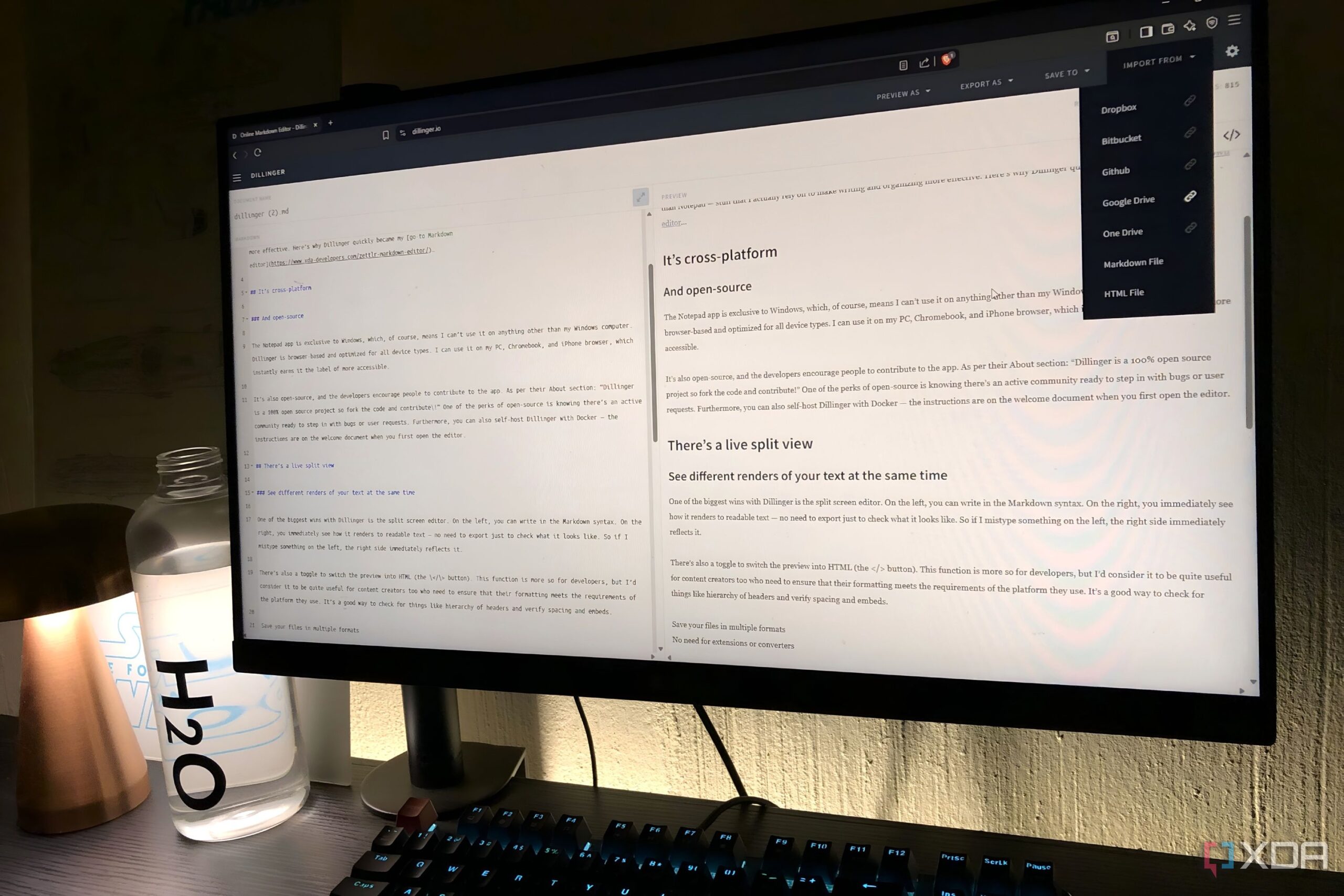
Dillinger, an open-source Markdown editor, is quickly becoming a favorite among those who appreciate browser-based functionality. Its live split-view feature allows users to see their Markdown syntax rendered in real-time, making it an ideal tool for quick note-taking and project planning. The ability to sync with services like Dropbox and Google Drive makes Dillinger a versatile option, enhancing productivity significantly.
Another rising star is Simplenote, which offers a completely free and minimalist note-taking experience across all platforms. Its user-friendly interface is garnering attention for its simplicity, enabling users to navigate effortlessly through their notes. Although lacking folder organization, Simplenote compensates with tagging and a global search function, making it an excellent choice for those seeking straightforward note management.
The spotlight also shines on AFFiNE, a powerful tool for project and knowledge management. This cross-platform application boasts a feature set that rivals Microsoft Loop, including a modular approach that allows users to break down documents into movable blocks. With real-time collaboration features, AFFiNE supports teamwork without compromising data privacy, appealing to users who prioritize ownership of their information.
Additionally, Docmost is making waves as a self-hosted collaborative wiki, ideal for businesses wanting to maintain control over their documentation. Its clean interface and block-based rich text editor enhance the user experience, allowing teams to draft and organize documents efficiently. The ability to mention teammates and facilitate comments adds a layer of collaboration that many companies find invaluable.
While Microsoft Loop continues to be a strong contender in the note-taking space, the emergence of these open-source tools signifies a broader movement toward greater user autonomy and privacy in digital applications. Users who value open standards and data ownership are finding that these alternatives can meet and even exceed their needs.
As the demand for open-source applications grows, it is crucial for users to explore these options that emphasize privacy and customization. The tools highlighted above are just a glimpse into a rapidly evolving landscape, where user preferences are driving innovation and change.
Stay tuned for more updates as this trend develops, and consider these open-source alternatives to enhance your productivity and maintain control over your data. The future of note-taking is here, and it’s more open than ever.