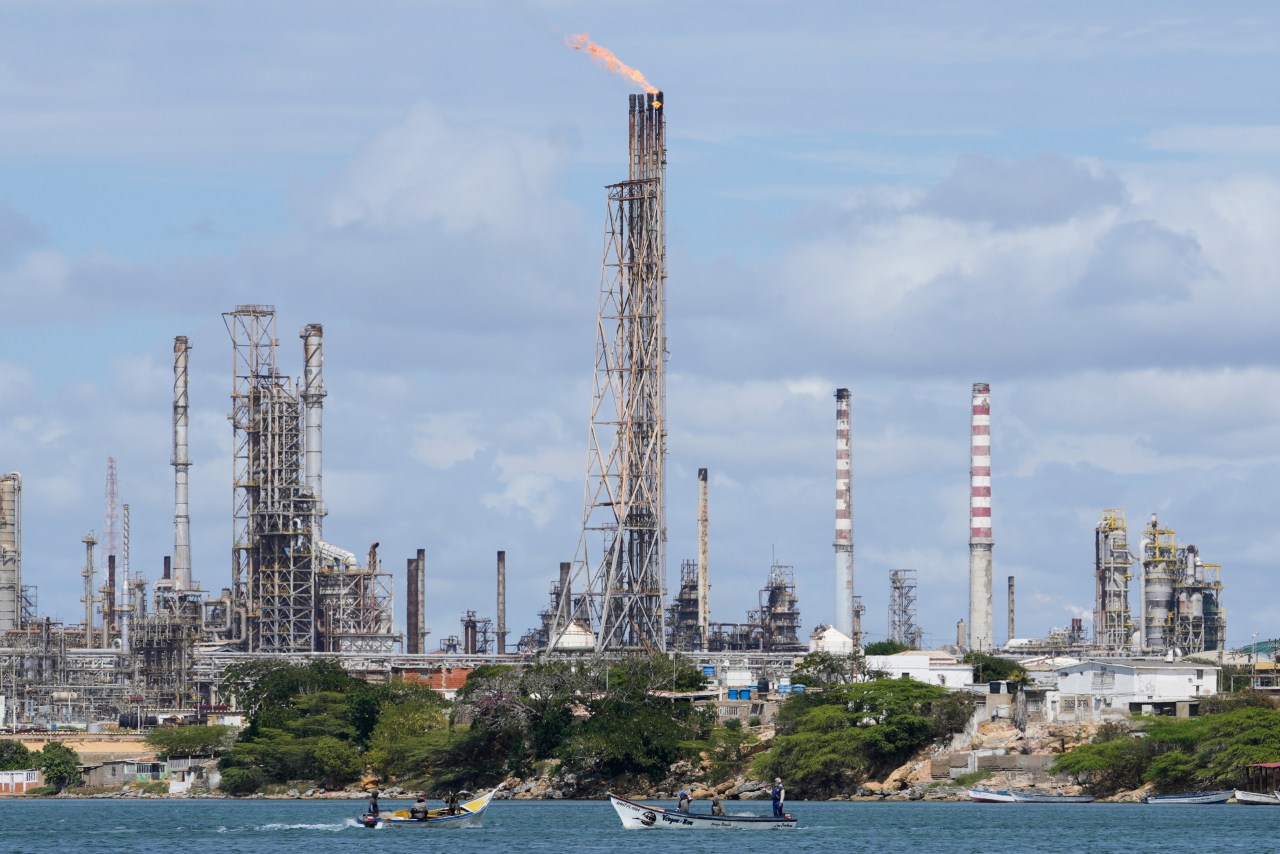
The oil trading landscape in Venezuela is undergoing a significant shift following the ousting of President Nicolás Maduro. Major players such as Vitol and Trafigura, alongside Greek tanker owners, are re-engaging with the Venezuelan oil market, marking a notable increase in activity in a sector previously constrained by U.S. sanctions.
The resurgence of these traders comes as the political environment in Venezuela becomes increasingly favorable. Following Maduro’s exit, oil exports, which had been significantly hampered, are now poised for a rebound. The country, rich in oil reserves, has long been a focal point for international energy markets, and the renewed interest reflects both the potential for profit and the evolving geopolitical landscape.
Market Dynamics Shift with New Opportunities
According to industry analysts, the return of companies like Vitol and Trafigura is indicative of their confidence in the stabilization of Venezuela’s oil production. In recent years, production levels had plummeted to historic lows, falling below 400,000 barrels per day. However, projections now suggest a gradual recovery, with expectations of reaching approximately 1 million barrels per day by the end of 2024.
This anticipated increase in output is accompanied by a loosening of restrictions that had previously hampered foreign investment. With the Maduro administration’s challenges, including economic instability and international isolation, the new leadership is keen to leverage its oil resources as a means to stimulate the economy and secure foreign partnerships.
Greek shipping companies are also capitalizing on these developments. With a fleet of oil tankers ready to transport Venezuelan crude, they are strategically positioned to benefit from the upcoming surge in exports. The Greek maritime industry has historically played a significant role in global oil transportation, and this renewed focus on Venezuela underscores its importance within the sector.
Impact of U.S. Sanctions and Future Prospects
While the U.S. government has maintained certain sanctions against Venezuela, the political changes have opened avenues for negotiation and potential easing of restrictions. Analysts caution that while opportunities abound, the risk of sudden policy shifts remains a concern. The Biden administration has shown some flexibility regarding sanctions related to humanitarian aid and political negotiations, which could further influence the oil trade.
The financial stakes are considerable. The oil market is a multi-billion dollar industry, and Venezuela’s vast reserves present lucrative opportunities for traders willing to navigate the complexities of the current economic landscape. The potential for increased revenue is particularly appealing to these firms, as many are seeking to diversify their portfolios in response to fluctuating global oil prices.
As these developments unfold, the international community is closely monitoring the situation. The revival of Venezuela’s oil trade not only impacts local economies but also has far-reaching implications for global energy markets. The next few months will be critical in determining whether this momentum can be sustained and whether Venezuela can reclaim its position as a key player in the world oil market.
In conclusion, the re-engagement of traders like Vitol and Trafigura with Venezuela’s oil sector signals a significant turning point. The combination of political change and economic opportunity could reshape the landscape of oil trading in the region, making it a focal point for energy investment in the near future.