As of January 16, the Moon is transitioning into the final stages of its lunar cycle, appearing as a **Waning Crescent**. Currently, only **5%** of the Moon’s surface is illuminated, making it difficult for observers to spot any details tonight.
Understanding Moon Phases
The lunar cycle, lasting approximately **29.5 days**, encompasses a series of eight distinct phases. These phases occur as the Moon orbits Earth, with varying sunlight illuminating different portions of its surface. According to NASA’s Daily Moon Guide, the Moon’s visibility changes throughout this cycle, which is why it may appear full, partially lit, or completely dark.
The phases of the Moon include:
– **New Moon**: The Moon is positioned between Earth and the Sun, making it invisible to the naked eye.
– **Waxing Crescent**: A small sliver of light becomes visible on the right side in the Northern Hemisphere.
– **First Quarter**: Half of the Moon is illuminated, resembling a half-Moon.
– **Waxing Gibbous**: More than half of the Moon is lit but not fully.
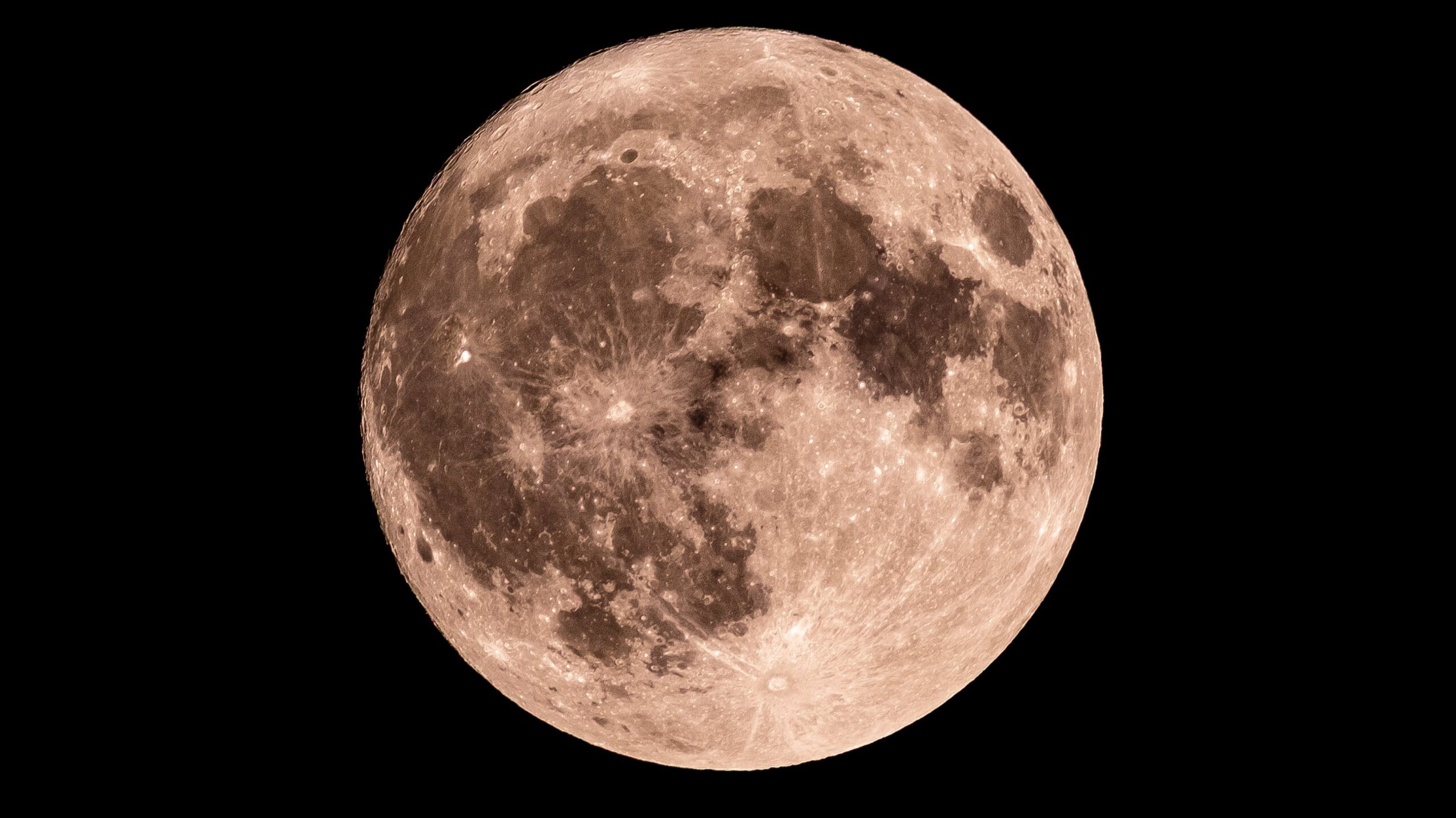
– **Full Moon**: The entire face of the Moon is fully illuminated.
– **Waning Gibbous**: The Moon begins to lose light on the right side.
– **Third Quarter (or Last Quarter)**: Half of the Moon is illuminated, but now the left side is visible.
– **Waning Crescent**: A thin sliver of light remains on the left side before the cycle starts again with the New Moon.
The next Full Moon is scheduled for **February 1**, following the last Full Moon, which occurred on **January 3**.
Understanding these phases enriches our appreciation of the Moon’s beauty and its impact on Earth. Observers are encouraged to look out for the upcoming Full Moon while noting the current Waning Crescent phase, which serves as a reminder of the cycles that govern our celestial neighbor.