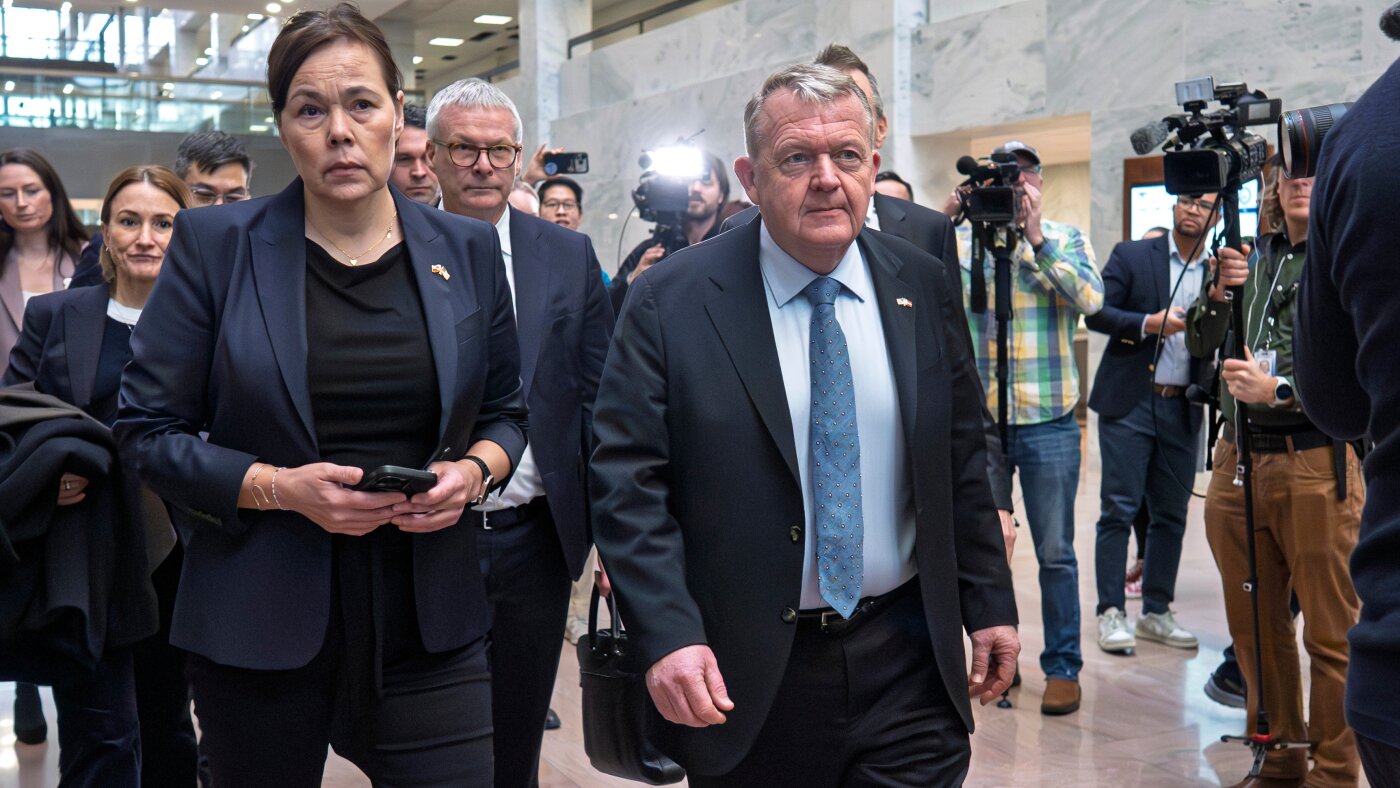
Troops from various European nations, including France, Germany, Norway, and Sweden, are arriving in Greenland to enhance the security of the Arctic island. This increase in military presence follows discussions between representatives of Denmark, Greenland, and the United States that revealed significant disagreements regarding U.S. policies in the region.
European Military Deployments
On March 15, 2024, French President Emmanuel Macron announced that the first elements of the French military were in transit to Greenland, with approximately 15 soldiers from a mountain infantry unit already stationed in Nuuk. The German Defense Ministry confirmed that a reconnaissance team of 13 personnel would arrive in Greenland shortly thereafter.
In response to the escalating security concerns, Denmark is also ramping up its military footprint. Danish Defense Minister Troels Lund Poulsen stated that the objective includes establishing a more permanent military presence, which will involve troops from various NATO countries rotating through Greenland. This decision aligns with a broader strategy to secure the Arctic region in light of increasing interest from Russia and China.
U.S. Relations and Greenland’s Future
The military buildup comes amid ongoing discussions between Danish and Greenlandic officials and U.S. representatives, including Vice President JD Vance and Secretary of State Marco Rubio. These talks highlighted a “fundamental disagreement” regarding U.S. President Donald Trump‘s ambitions to acquire Greenland, primarily for its untapped mineral resources.
“If we don’t go in, Russia is going to go in and China is going to go in,” Trump remarked during a media session in the Oval Office. “There’s not a thing Denmark can do about it, but we can do everything about it.”
Residents of Nuuk expressed mixed feelings following the diplomatic meetings. Many welcomed the discussions between Greenlandic, Danish, and American officials, yet they felt these talks left unresolved questions about the future of their island. Some locals perceived Denmark’s troop increase as a safeguard against potential U.S. military actions, although European military leaders have not indicated that deterrence is the primary aim of these deployments.
Young Greenlandic resident Maya Martinsen conveyed a sense of reassurance, noting, “It is comforting to know that the Nordic countries are sending reinforcements,” emphasizing the importance of Greenland’s relationship with Denmark and NATO.
Further discussions are anticipated as Poulsen announced an increased military presence in the Arctic, stating it is essential in an unpredictable security environment. He mentioned that in the coming weeks, there will be a bolstered military presence around Greenland through the deployment of aircraft, ships, and additional soldiers from NATO allies.
While the specifics of coordination between European troop movements and NATO remain unclear, a NATO official confirmed that the alliance is exploring ways to strengthen its collective presence in the Arctic.
Path Forward for Greenland and NATO
Danish Foreign Minister Lars Løkke Rasmussen announced the formation of a working group with American officials to address security concerns while respecting Denmark’s sovereignty. “This group should focus on how to address the American security concerns, while at the same time respecting the red lines of the Kingdom of Denmark,” he stated.
Despite the progress made in Washington, Poulsen acknowledged that the dialogue with the U.S. does not indicate that the threat has dissipated. “This working group is a step in the right direction,” he said, although he cautioned that the situation remains delicate.
Residents like Line McGee from Copenhagen expressed cautious optimism following the diplomatic talks, stating, “I don’t think the threat has gone away, but I feel slightly better than I did yesterday.”
Rasmussen emphatically rejected the idea of a U.S. military takeover or purchase of Greenland, asserting that such actions would undermine NATO. He highlighted that Greenlanders are unlikely to support U.S. governance, even with financial incentives, due to differing welfare systems.
As discussions continue, both local and international stakeholders are closely monitoring developments, recognizing the strategic significance of Greenland in a rapidly changing geopolitical landscape.