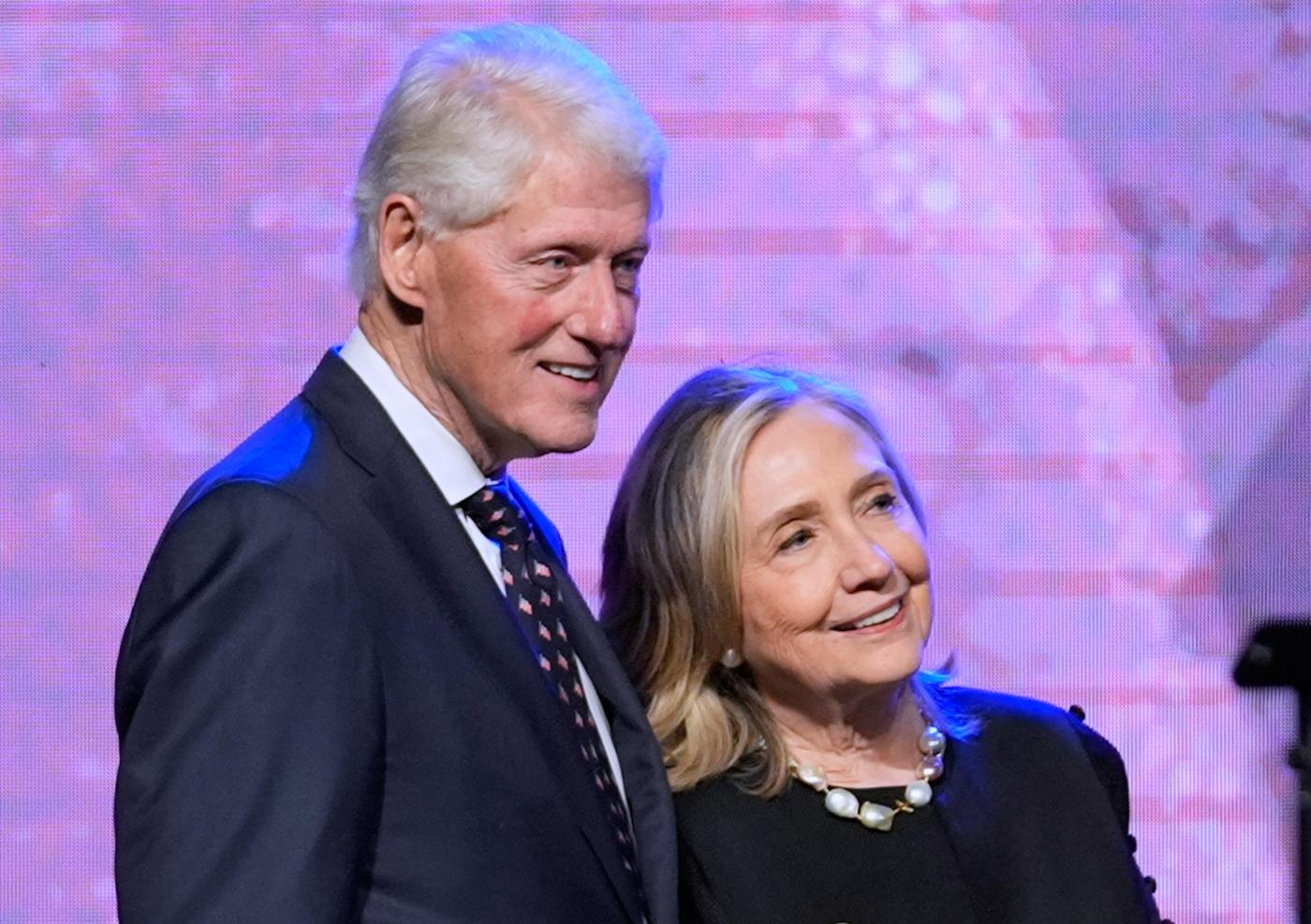
The House Oversight Committee has initiated proceedings to hold former President Bill Clinton and former Secretary of State Hillary Clinton in contempt of Congress. This action follows their failure to comply with congressional subpoenas regarding depositions linked to the investigation of Jeffrey Epstein. Committee Chairman James Comer announced plans to advance the contempt charges during a press conference on Wednesday.
Comer stated, “We’re going to hold both Clintons in criminal contempt of Congress.” He emphasized that the Epstein estate had complied with subpoenas, as did former Attorney General Bill Barr and former Labor Secretary Alex Acosta, who were both deposed under similar legal requests. He criticized the Clintons for ignoring the lawful subpoenas issued to them, which he argued undermined the integrity of the congressional inquiry.
The Clintons were scheduled to provide their depositions on December 5 and 6, 2023, but both declined to appear. In response, they submitted an eight-page legal letter asserting that the subpoenas were a “ploy to embarrass political rivals” at the direction of former President Donald Trump. They accused Comer of pursuing a rarely used legislative process designed to intimidate political opponents.
Legal and Political Implications
The contempt of Congress charges carry significant penalties, potentially resulting in a misdemeanor conviction with a maximum sentence of one year in jail and a fine of up to $100,000. The Committee is set to vote on the matter next Wednesday, December 13, 2023.
Comer criticized the absence of Democratic members during Bill Clinton’s scheduled deposition, specifically calling out Rep. Robert Garcia, the committee’s ranking member. “Not a single Democrat showed up today,” Comer remarked, pointing out the contrast between their public statements on justice for Epstein’s victims and their actions.
In anticipation of the contempt proceedings, the Clintons expressed concerns about Comer potentially releasing outdated and irrelevant photographs intended to damage their reputations. They referenced images from Epstein’s estate previously released by House Democrats, which included notable figures like Bill Clinton, Donald Trump, and Microsoft co-founder Bill Gates. The re-emergence of these images has reignited discussions surrounding Clinton’s past scandals, including the impeachment events of the late 1990s.
The Clintons have maintained a stance of noncompliance, indicating their belief that the inquiries are politically motivated rather than genuine attempts to seek justice. Bill Clinton has called for the release of all remaining documents related to the Epstein investigation, asserting he has nothing to hide.
As this situation unfolds, it raises critical questions about the interplay between political accountability and the legislative process. The upcoming committee vote will determine the next steps in this ongoing controversy, with implications not only for the Clintons but for congressional oversight as a whole.