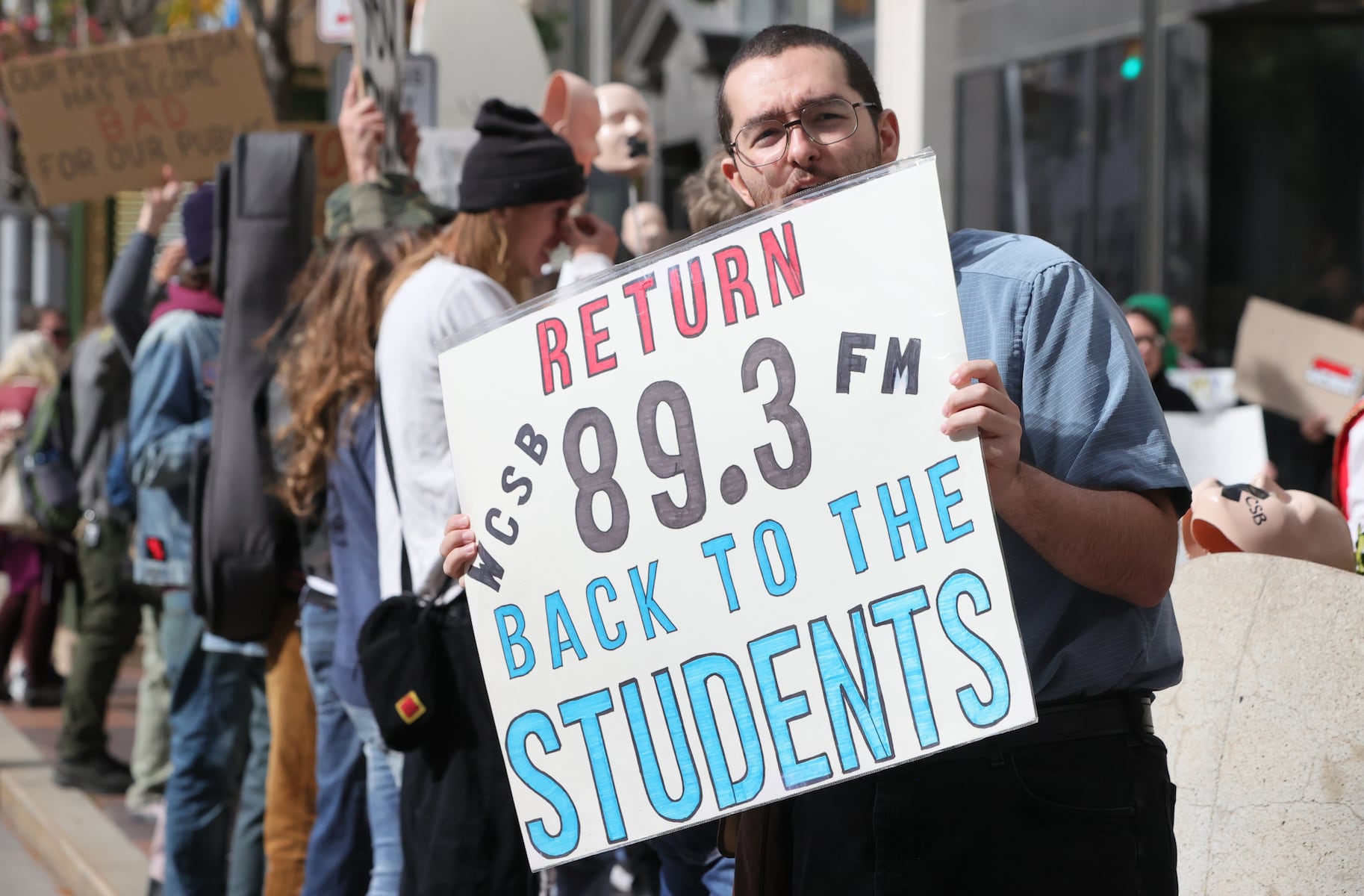
Cleveland State University (CSU) is facing legal action following its controversial decision to transfer its student radio station, WCSB, to Ideastream. This decision shocked students and supporters when it was implemented on October 3, 2023, with the station abruptly shifting to a smooth jazz format. The lack of transparency surrounding this move has led to protests from students and community members.
According to a lawsuit filed in Cuyahoga County, the transfer infringes upon free speech, open government, and property rights. The lawsuit names CSU President Laura Bloomberg and the university’s board of trustees as defendants. Public records requests revealed that CSU may have violated state sunshine laws by holding closed-door meetings with Ideastream. A nondisclosure agreement signed six months prior to the transfer has kept discussions about the deal largely undisclosed.
Students and community activists argue that the university’s decision to partner with Ideastream was driven by a desire to silence the independent voices at WCSB. The suit claims that Bloomberg, who secured a position on the Ideastream board as part of the deal, became increasingly frustrated with the station’s nonconformist attitudes and student protests regarding university policies.
Moreover, the lawsuit alleges that Bloomberg called the police on students who were peacefully protesting, despite them not committing any crimes or violating campus rules. This incident has further fueled the ongoing outcry for the reinstatement of the station’s independent programming.
Three months post-transition, the community’s demand to reclaim WCSB remains strong, with many rallying to restore the station’s original identity and purpose. This case highlights growing concerns over university governance and the rights of student organizations.
As the lawsuit progresses, CSU’s handling of the situation will likely be scrutinized, with implications for both the university’s reputation and student engagement within campus media. The outcome may also affect future partnerships between educational institutions and media organizations.
While the legal proceedings unfold, the broader discourse surrounding free speech and transparency in educational settings continues to gain momentum. Stakeholders are poised to closely monitor this situation, which raises significant questions about the rights of students and the role of universities in fostering independent voices.