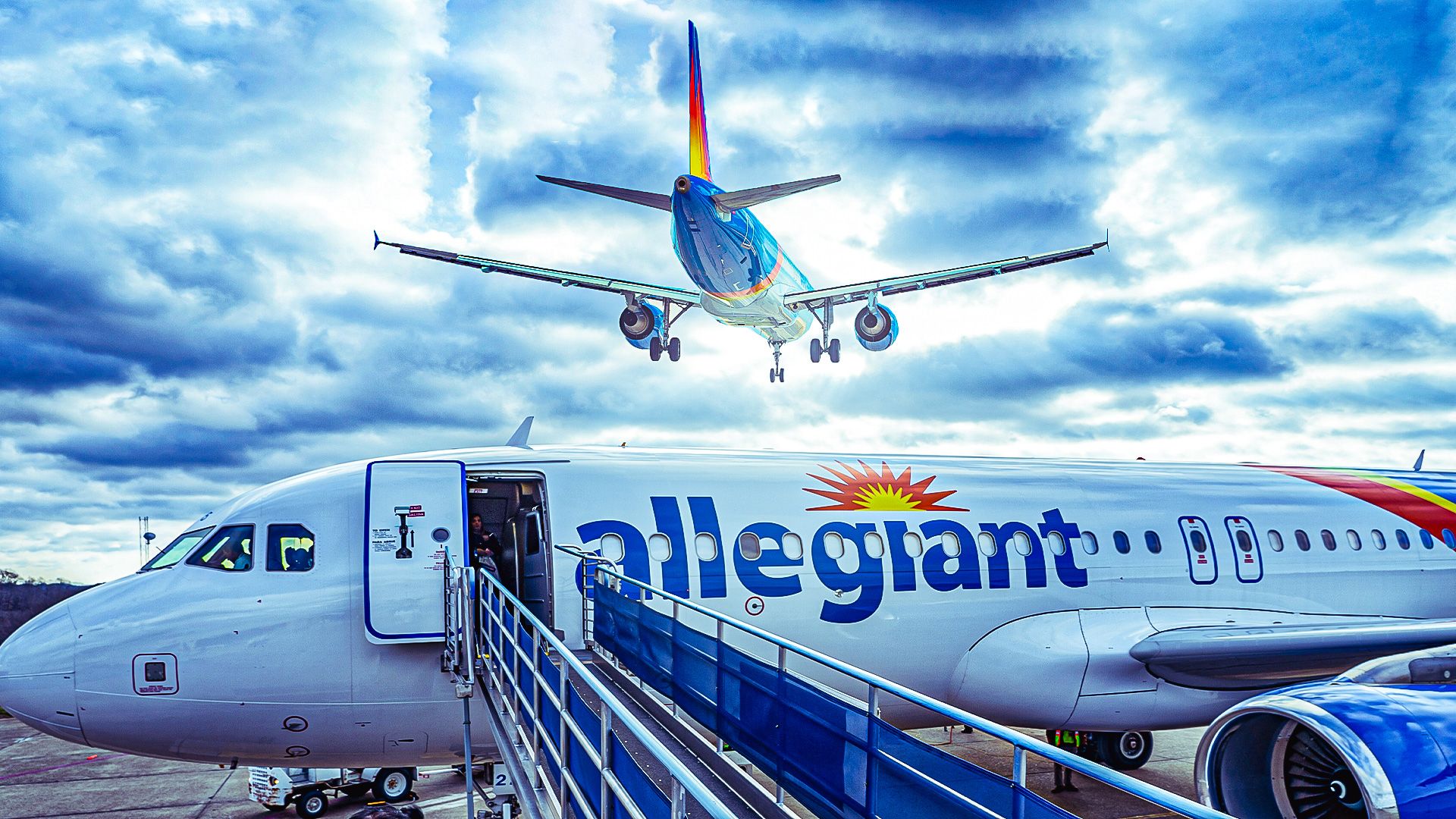
Allegiant Air and Sun Country Airlines have announced a merger agreement valued at approximately $1.5 billion in cash and stock. This strategic move aims to create a more competitive leisure-focused airline in the United States. While the deal has been made public, it still requires approval from U.S. antitrust regulatory agencies before proceeding.
On January 11, 2026, Allegiant Air disclosed its plan to acquire Sun Country Airlines at an implied value of $18.89 per share. Under the terms of the agreement, Sun Country shareholders will receive 0.1557 shares of Allegiant stock and $4.10 in cash for each of their shares. The total valuation includes approximately $0.4 billion of net debt held by Sun Country.
The merger is expected to significantly enhance the capabilities of the combined airline, enabling it to serve 22 million passengers and expand its service to more domestic and international destinations. The new entity will operate more than 650 routes across 195 cities, including popular locations in Mexico, Central America, Canada, and the Caribbean. With a combined fleet of nearly 200 aircraft, consisting of both Airbus and Boeing models, the merger positions the airline to maximize operational and financial returns.
Gregory C. Anderson, CEO of Allegiant, expressed optimism about the merger, stating, “Together, our complementary networks will expand our reach to more vacation destinations including international locations. With our combined strengths—operational excellence, consistent profitability, strong balance sheets, and fleet ownership—we will create an even more resilient and agile airline that delivers greater value to travelers.”
Regulatory Considerations and Market Context
Both Allegiant, based in Las Vegas, and Sun Country, headquartered in Minneapolis, focus on cost-conscious leisure travelers. Allegiant’s CEO emphasized that the business models of the two airlines are complementary, with limited route overlap, which may favor the merger’s approval by the U.S. Department of Justice (DOJ). This contrasts with other recent merger attempts in the industry, such as the blocked merger between Spirit Airlines and JetBlue Airways, which faced significant regulatory scrutiny.
The merger comes as the airline industry seeks to strengthen its position against larger competitors. American Airlines, United Airlines, Delta Air Lines, and Southwest Airlines collectively control approximately 70% of the U.S. domestic market. By joining forces, Allegiant and Sun Country aim to enhance their competitive stance in the leisure travel sector.
If the merger receives regulatory approval, Anderson will serve as CEO of the combined airline, while Sun Country CEO Jude Bricker, who previously held the position of Chief Operating Officer at Allegiant, will join Allegiant’s board of directors. The boards of both companies have unanimously approved the transaction, which is anticipated to close in the second half of 2026, pending necessary antitrust reviews and regulatory approvals.
Projected Benefits and Future Outlook
Allegiant projects that the merger will generate approximately $140 million in annual synergies within three years of integration. This financial benefit will primarily stem from the ability to provide customers with a wider range of options across a more unified network.
The merger aligns with ongoing trends in the airline industry, where consolidation has become increasingly common. As air travel demand continues to rebound, particularly for leisure destinations, the combination of these two airlines could create significant advantages in service offerings and operational efficiency.
In conclusion, the proposed merger between Allegiant Air and Sun Country Airlines represents a notable shift in the U.S. airline landscape. With a focus on leisure travel and a commitment to providing expanded services, the combined airline could redefine competitive dynamics in the sector, particularly as it navigates the regulatory landscape in the coming months.