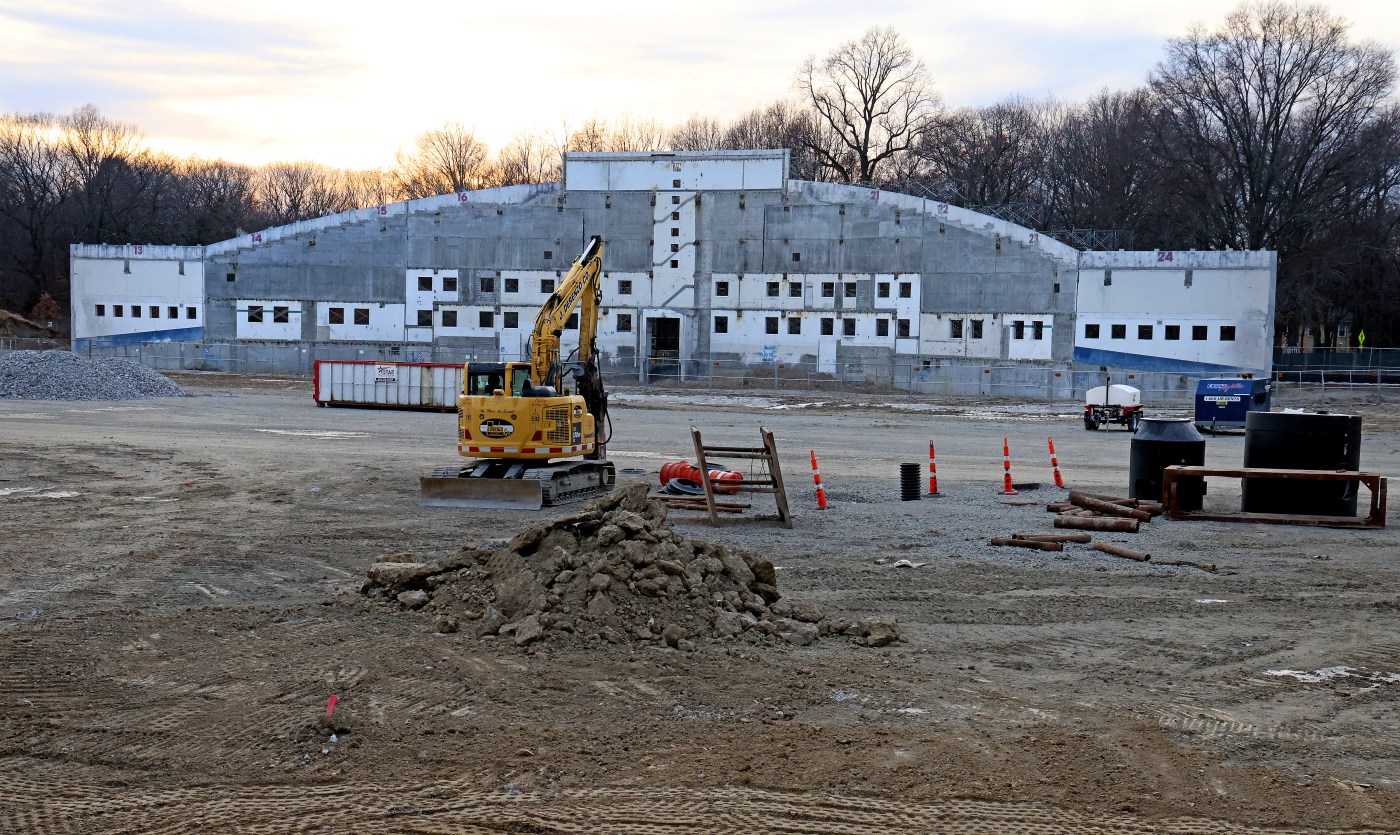
Former board member Ed Gaskin has raised critical concerns regarding the ongoing renovation of White Stadium in Boston. This project, situated in the historically disinvested neighborhood of Roxbury, is experiencing significant challenges related to oversight and accountability. With an estimated budget between $200 million and $300 million, the renovation was anticipated as a vital economic catalyst for the area. Instead, it risks becoming a cautionary tale about the lack of independent oversight in major public projects.
Over the last two decades, Boston’s Seaport district has attracted approximately $40 billion to $50 billion in public and private investments, transforming it into a bustling urban center. In stark contrast, Roxbury has seen little investment, highlighting the disparities in development across the city. The renovation of White Stadium was supposed to mark a turning point for the community, yet Gaskin’s concerns suggest that it is failing to live up to its potential.
When the project was first proposed, there was optimism that it would adhere to the Massport Model, known for its emphasis on equitable development. This model is characterized by clear goals, binding requirements, and independent accountability, ensuring that projects benefit local communities. Unfortunately, as Gaskin points out, the current process lacks an independent oversight body, and Minority Business Enterprise (MBE) participation requirements are notably weak, with goals set below 14%.
The absence of robust oversight has led to a situation reminiscent of past large-scale projects in Boston, such as the Big Dig. Initially projected to cost around $2.5 billion to $2.8 billion, the Big Dig’s final costs soared to between $14.6 billion and $24.3 billion. Despite the scale of investment, Black-owned construction firms saw minimal benefits, with MBE participation estimates ranging from 1% to 2.5%. Gaskin emphasizes that the lack of transparency and accountability was a significant factor in these failures.
The current state of the White Stadium project reflects similar risks. Despite its potential to serve as a model for equitable development, the process has not included essential elements such as public economic impact studies, environmental analyses, or a transparent procurement process. Gaskin argues that without these components, the project risks perpetuating existing inequities rather than alleviating them.
Boston’s City Council faces a crucial decision regarding the establishment of a legally mandated White Stadium Oversight Committee. Such a committee would provide the necessary checks and balances to ensure transparency, enforce binding MBE participation requirements, and develop a clear economic opportunity plan for local businesses. This committee should include community stakeholders, elected officials, and subject-matter experts, who can demand documentation and accountability.
In contrast to White Stadium, other cities have successfully implemented oversight structures for similar projects. Cities like Los Angeles, Chicago, and Seattle have established boards with the authority to review contracts and create a public record, ensuring that community interests are prioritized. Gaskin argues that Boston must adopt similar measures to avoid repeating the mistakes of the past.
As the renovation of White Stadium moves forward, the implications for the local community are significant. This project represents the first major public investment in decades for Boston’s Black community. Gaskin warns that if oversight is not prioritized, the opportunity to create lasting economic benefits may be lost, reinforcing the very inequities that the project aims to combat.
The current situation presents an urgent call to action for Boston’s leadership. Without decisive steps to implement rigorous oversight and accountability, the White Stadium renovation may become another example of a missed opportunity, locking in inequities rather than fostering growth and development. The time to act is now, as history does not have to dictate the future.