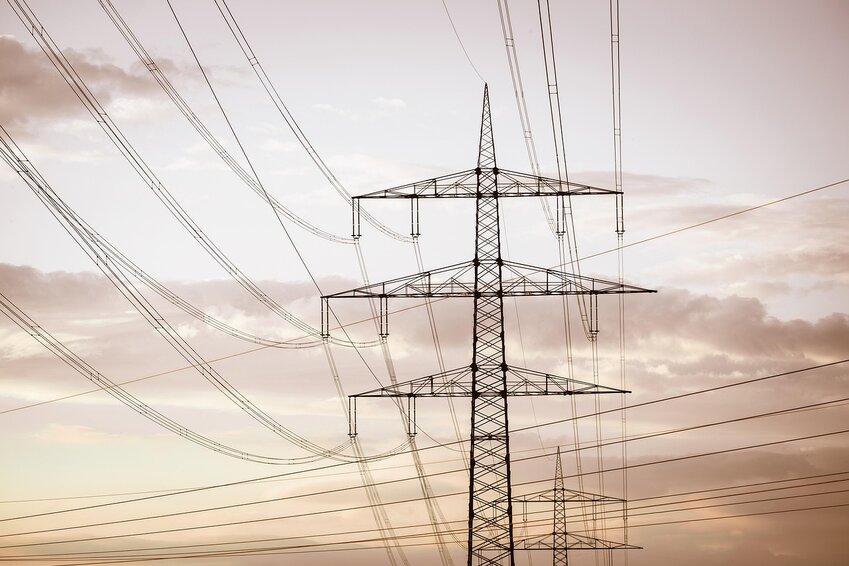
Oregon is confronting a potential energy crisis as demand for electricity is projected to exceed supply by nine gigawatts within five years. This surge in demand, primarily driven by data centers and increasing reliance on artificial intelligence, poses significant challenges for the region’s energy infrastructure.
Demand Outstrips Supply
Following the Great Recession, Oregon enjoyed a stable power market where electricity demand stagnated despite population growth. Advances in energy efficiency, such as LED lighting and improved heating systems, kept consumption low, allowing utilities to manage with existing resources. However, a sudden shift occurred after the pandemic, with energy use rising unexpectedly.
Data centers, attracted by substantial local tax incentives, have dramatically altered the landscape. While residential and commercial electricity demand has remained steady, industrial power consumption has surged by 73% since 2010. According to reports from Portland General Electric (PGE), energy consumption from data centers in their service area has increased sixfold since 2020, raising alarms among power planners.
The Northwest Power and Conservation Council estimates that Oregon’s electricity demand has risen by 30% since 2010, with projections indicating that artificial intelligence will further escalate this demand. By 2030, data centers are expected to consume up to 25% of the state’s total electricity supply.
The Nine-Gigawatt Challenge
The looming shortfall, termed the “nine-gigawatt problem,” highlights the disparity between Oregon’s electricity supply and its rapidly growing demand. A recent study commissioned by regional utilities predicts that the Northwest may require additional capacity equal to the total electricity consumed in Oregon today.
Arne Olson, a consultant with E3, remarked on the industry’s growing concerns, stating, “It’s safe to say there’s a lot of concern among the industry in the region.” The challenge is compounded by Oregon’s commitment to transitioning to renewable energy sources, leaving fewer alternatives for meeting increased electricity needs.
The state’s energy policies have been reshaped since 2019, with mandates requiring utilities to shift from fossil fuels to renewable sources by 2040. This transition aims to combat climate change but creates a precarious situation for energy supply, especially during peak demand periods exacerbated by extreme weather events.
Electricity demand spikes during heatwaves or cold snaps, particularly in low-water years when hydroelectric power generation diminishes. The Bonneville Power Administration has faced staffing shortages and increased demand for new transmission lines, complicating the planning process as data center demand continues to grow.
Despite these challenges, some stakeholders express cautious optimism. Jennifer Light, director of power planning at the Northwest Power and Conservation Council, indicates that the region is actively working to bridge the gap through better coordination and collaboration among utilities and regulators.
As Oregon grapples with the implications of a rapidly changing energy landscape, the future of its electricity supply remains uncertain. With significant investments and planning required, the question persists: will Oregon be able to meet its energy needs without succumbing to a crisis reminiscent of the energy challenges faced in the early 2000s?