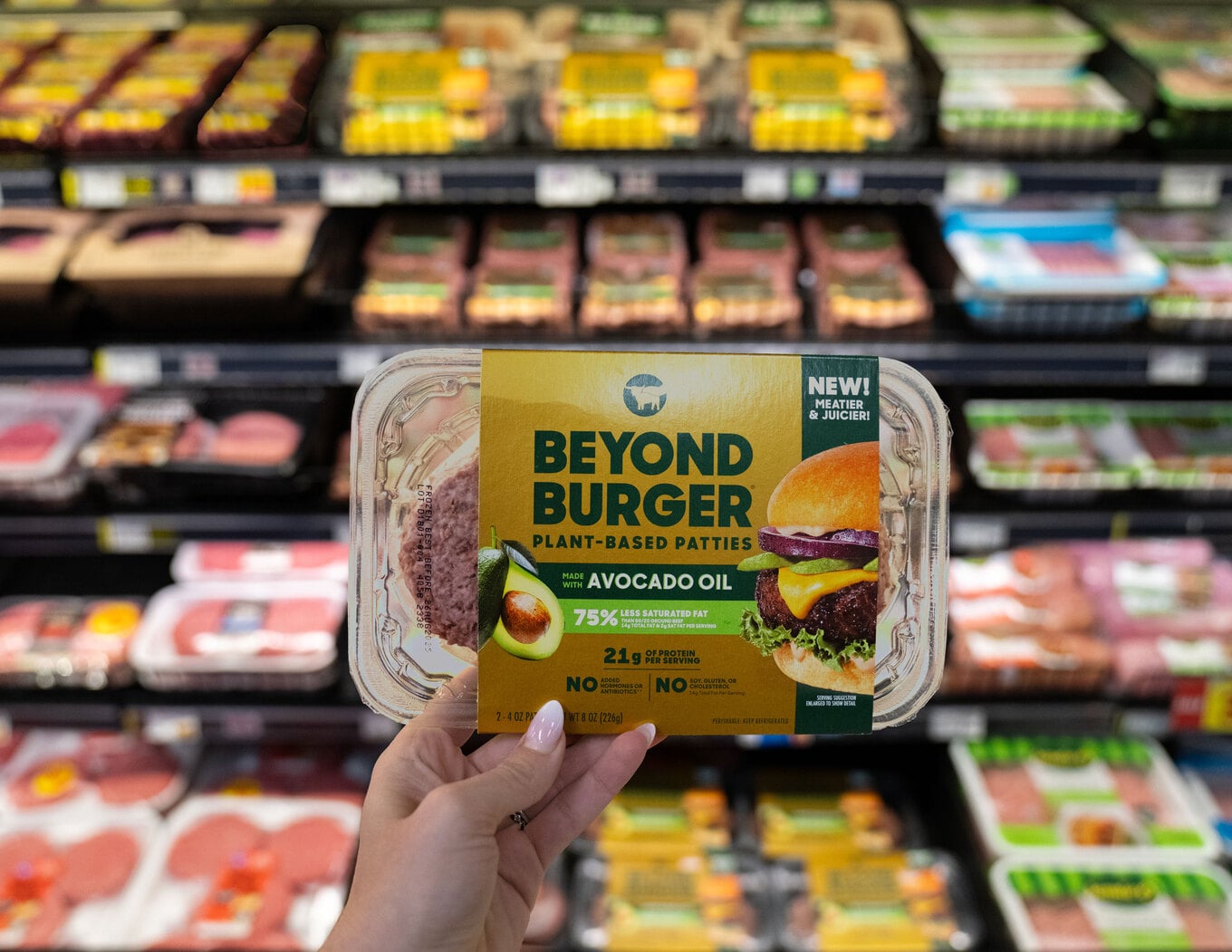
The debate surrounding meat consumption has intensified as more individuals recognize the health benefits associated with plant-based diets. Medical experts, including cardiologist William C. Roberts, argue that humans possess more characteristics of herbivores than carnivores. This shift towards vegetarianism and veganism is supported by a growing array of plant-based substitutes available in grocery stores and restaurants, including popular fast-food chains.
Market analysts predict that the demand for plant-based alternatives will surge by over 400 percent, aiming for sales of $162 billion by 2030. As consumers become more health-conscious, many are exploring the implications of reducing or eliminating meat from their diets.
Research indicates that protein is vital for health, with the recommended daily intake set at 0.8 grams per kilogram of body weight. For a person weighing 150 pounds, this equates to approximately 52 grams of protein daily. Despite high protein consumption being common, Harvard Medical School notes that most adults exceed their needs, consuming about 16 percent of daily calories from protein, while only 10 percent is necessary for active individuals.
The push for meat reduction also stems from concerns regarding the associated health risks. Medical professionals emphasize that red and processed meats pose significant health threats, including an increased risk of conditions such as cancer. Various diets aim to limit or eliminate meat intake, including:
– **Lacto-vegetarian**: Excludes meat, eggs, and fish, but includes dairy.
– **Ovo-vegetarian**: Excludes meat and dairy but includes eggs.
– **Lacto-ovo vegetarian**: Excludes meat but allows dairy and eggs.
– **Pescatarian**: Excludes meat but allows fish, dairy, and eggs.
– **Vegan**: Excludes all animal products, including meat, eggs, dairy, and honey.
The health advantages of adopting a plant-based diet are increasingly documented. A study from Oxford University linked meat consumption to a higher risk of non-cancerous diseases, including heart disease and diabetes. T. Colin Campbell, PhD, asserts that eliminating animal products can substantially improve health, with improvements in conditions like heart disease observable within a couple of weeks.
Research consistently highlights the numerous benefits of transitioning to a meat-free diet:
Health Benefits of a Plant-Based Diet
1. **Heart Health**: A plant-based diet is associated with a lower risk of heart disease, according to the Physicians Committee for Responsible Medicine.
2. **Stroke Risk Reduction**: Increasing the intake of plant-based foods can lower overall stroke risk by up to 10 percent, as noted by Harvard Health.
3. **Improved Blood Sugar Control**: Adopting a plant-based diet can be more effective than medication in managing type 2 diabetes.
4. **Cancer Protection**: Studies indicate that vegetarians have a 14 percent lower risk of developing cancer than meat-eaters, with vegans showing the lowest rates.
5. **Lowered Blood Pressure**: A vegetarian diet can reduce systolic blood pressure by an average of 2.66 mmHg, with vegans experiencing even greater reductions.
6. **Enhanced Gut Health**: High fiber content in plant-based foods supports beneficial gut bacteria, reducing inflammation and cardiovascular disease risk.
7. **Dementia Protection**: Antioxidants found in plant foods may help protect against age-related diseases, including Alzheimer’s.
Plant-Based Protein Sources
Despite common misconceptions, numerous vegan foods are rich in protein. Here are some notable sources:
1. **Seitan**: Made from wheat gluten, it contains 15 to 21 grams of protein per 3-ounce serving.
2. **Tofu**: A versatile ingredient with about 10 grams of protein in a half cup.
3. **Lentils**: A half cup of cooked lentils offers approximately 12 grams of protein.
4. **Beans**: Half a cup provides 6 to 9 grams of protein and additional fiber.
5. **Chickpeas**: These contain around 7.5 grams of protein per half cup.
6. **Quinoa**: One cup provides about 8 grams and is a complete protein.
Transitioning to a meat-free lifestyle can be gradual. Here are some strategies to ease the process:
1. **Cookbooks**: Use vegan cookbooks to find appealing recipes that replace meat dishes.
2. **Breakfast Choices**: Start with meatless breakfasts, such as oatmeal or scrambled tofu.
3. **Increase Fruits and Vegetables**: Fill meals with more fruits and vegetables to enhance satiety.
4. **Salads**: Create large salads with various ingredients, including nuts and beans.
5. **Moderate Processed Alternatives**: Use vegan meat substitutes sparingly due to their high sodium content.
6. **Consultation**: Discuss dietary changes with a healthcare provider to address potential vitamin deficiencies.
As individuals gradually reduce meat consumption, they may experience improved health, contribute to animal welfare, and positively impact the environment. Embracing a plant-based lifestyle can lead to a more sustainable and health-conscious way of living.