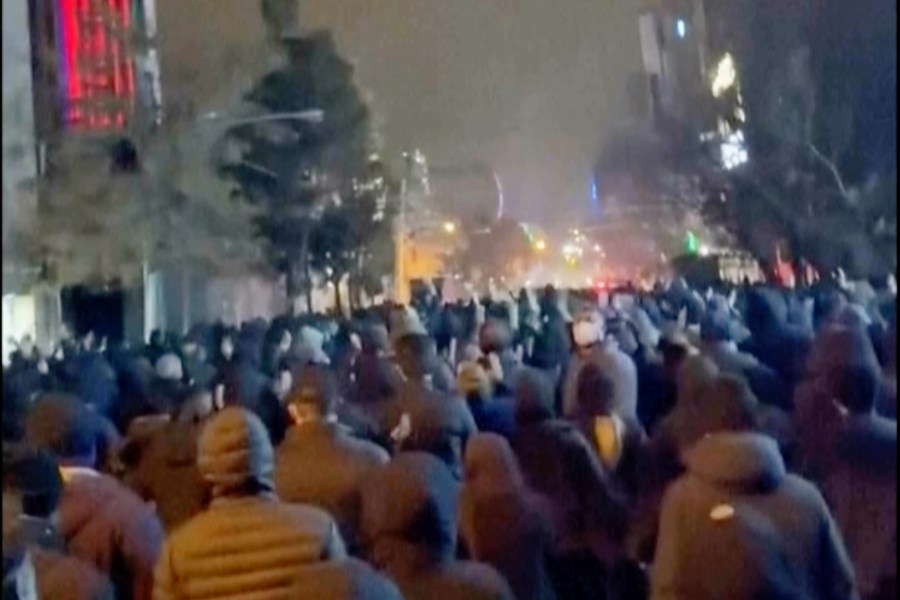
Nationwide protests in Iran, now entering their third week, are challenging the country’s theocratic regime. Demonstrators have filled the streets in both Tehran and Shiraz, with violence resulting in at least 116 fatalities, according to activists. The protests have escalated amid widespread disruptions to internet services and phone lines, making it difficult to obtain accurate information.
As the situation intensifies, the Iranian Parliament convened to discuss the ongoing unrest. Lawmakers are expected to address the protests and the government’s response to the rising death toll. The protests were sparked by various grievances, including political repression, economic hardship, and social restrictions.
Government Response and International Concerns
The Iranian government has faced increasing scrutiny from international organizations. The United Nations has called for an investigation into the violence, urging Iranian authorities to respect citizens’ rights to peaceful assembly and free expression. Activists report that the death toll may be higher than currently acknowledged, as many individuals have gone missing during the protests.
Reports indicate that security forces have used live ammunition to disperse crowds, leading to numerous injuries among demonstrators. Eyewitness accounts suggest that the protests have not only drawn attention in urban centers but also in smaller towns, indicating widespread discontent across the country.
Despite the crackdown, protesters remain determined, continuing to voice their demands for fundamental changes. The atmosphere has been described as tense, with many citizens expressing both fear and resolve as they take to the streets.
Challenges in Communication and Information Gathering
The Iranian government’s actions to restrict internet access have complicated efforts to report on the ongoing protests. Activists and journalists have struggled to communicate with one another and to share updates about the situation on the ground. Reports of increased surveillance and arrests of journalists have further raised concerns about freedom of the press in the country.
As the protests continue, the international community watches closely, with various governments expressing solidarity with the Iranian people. The situation remains fluid, and the potential for further violence looms as the government prepares to respond to the growing unrest.
While the protests pose a significant challenge to the Iranian leadership, they also highlight the broader struggles for human rights and freedoms within the nation. As the world observes, the resilience of those advocating for change remains a focal point in this evolving narrative.