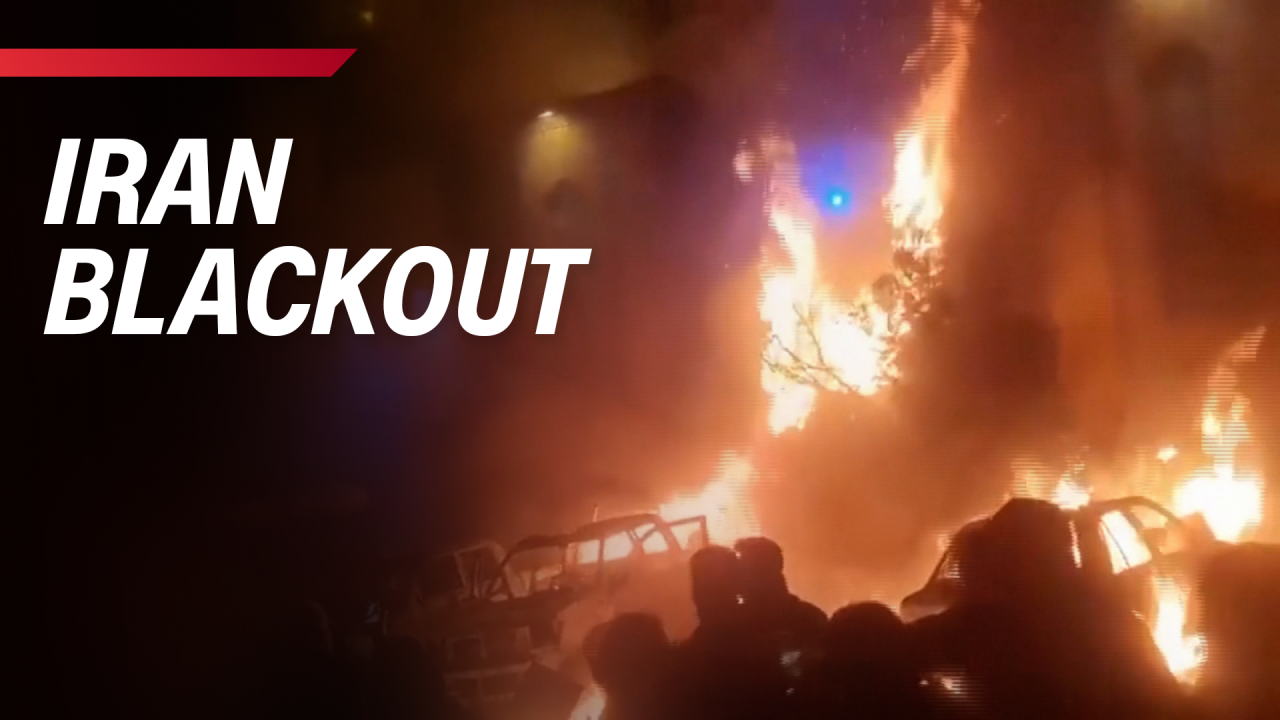
Protests in Iran have entered a new phase as the country experiences a significant internet blackout, which has now lasted over 36 hours. This disruption, imposed by authorities, coincides with a wave of demonstrations against the government that have persisted for more than ten days. The unrest has been fueled by rising inflation and discontent with Iran’s conservative leadership.
Exiled opposition figure Reza Pahlavi, the son of Iran’s last shah, has called for a two-day nationwide strike. In a video posted on social media platform X, Pahlavi urged “workers and employees in key sectors of the economy — especially transportation, oil and gas, and energy — to begin a nationwide strike” starting Saturday, which marks the beginning of the working week in Iran. He encouraged protesters to take to the streets with flags and national symbols, emphasizing the need to reclaim public spaces.
The call for a strike reflects the escalating frustration among Iranians, who have been expressing their grievances through mass protests. Pahlavi, who was only 16 when the 1979 Islamic Revolution ousted his father, Shah Mohammad Reza Pahlavi, remains a controversial figure. His popularity within Iran is uncertain, but he continues to rally support from the diaspora.
As unrest continues, the internet blackout has severely hampered communications across the nation. According to the watchdog organization NetBlocks, the blackout began on Thursday following large-scale protests in the capital, Tehran. At 11:30 PM ET on Saturday, NetBlocks reported that the blackout had reached 36 hours, making it difficult for Iranians to check on the safety of loved ones amid ongoing unrest.
Protests initially erupted on December 28, 2023, sparked by public anger over soaring inflation and the government’s repressive response to dissent. The situation remains fluid as demonstrators continue to voice their demands for change and challenge the status quo.
The Iranian government has yet to respond officially to the strike call or the ongoing protests. As the situation evolves, both the domestic and international communities are monitoring developments closely, particularly regarding the safety of protesters and the impact of the internet blackout on communications.