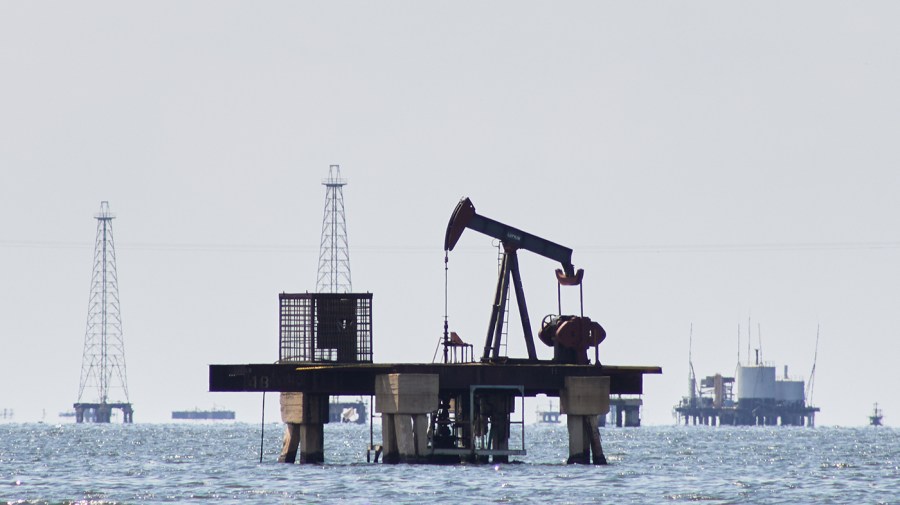
The Trump administration has outlined its strategy for managing Venezuela’s oil reserves, marking a significant shift in U.S. foreign policy toward the South American nation. Following the recent capture of Venezuelan leader Nicolás Maduro, plans indicate a focus on a U.S. takeover of oil production rather than an immediate involvement of American oil companies in extraction efforts.
This approach diverges from earlier proposals that suggested rapid engagement of U.S. firms in Venezuelan oil operations. Instead, the administration is emphasizing a more controlled strategy that prioritizes federal oversight of Venezuela’s oil resources. This reflects a growing concern regarding the management and distribution of Venezuela’s oil in light of ongoing economic turmoil in the country.
Strategic Shift in Oil Management
The U.S. Department of State, under President Donald Trump, is reassessing its tactics concerning Venezuelan oil. Initial plans included a swift engagement of U.S. oil producers to replace the existing state-run operations. However, the current focus is on establishing a framework for direct U.S. control over oil exports, which could significantly enhance U.S. influence in the region.
This revised strategy is likely intended to safeguard U.S. interests and prevent the potential misappropriation of oil revenues, which have been a point of contention in U.S.-Venezuelan relations. The administration is also navigating the complexities of international oil markets, particularly with the Organization of the Petroleum Exporting Countries (OPEC) and its member states.
The evolving situation in Venezuela, marked by economic instability and political strife, has prompted the U.S. to reconsider how it engages with the country’s oil sector. With Venezuela possessing one of the largest oil reserves in the world, the implications of U.S. control could have far-reaching effects on global oil supply and prices.
Impact on Oil Markets and Global Relations
The proposed takeover could lead to a substantial shift in oil dynamics, especially as the Trump administration seeks to leverage Venezuela’s oil production to stabilize international markets. Analysts suggest that a U.S. intervention in Venezuelan oil could also disrupt OPEC’s influence over pricing and production levels.
Furthermore, U.S. oil companies may find new opportunities for growth if they can navigate the complexities of operating under a U.S. administration that imposes stringent regulations and oversight on foreign oil assets. As plans solidify, the administration may face challenges in balancing domestic energy needs with international relations.
The next steps for the Trump administration will involve not only operational logistics but also diplomatic negotiations with other oil-exporting nations. Maintaining cooperation with allies while navigating the intricate political landscape in Venezuela will be crucial as the administration moves forward.
The developments in Venezuelan oil management are expected to evolve further, with potential announcements on specific policies and timelines anticipated in the coming weeks. The global community will be watching closely to see how these plans unfold and their implications for both U.S. energy policy and international relations.