The search for the next director general of the BBC is intensifying, with several prominent candidates emerging as frontrunners. This follows the departure of Tim Davie, who resigned in November 2023 amid an editorial scandal linked to an interview with former U.S. President Donald Trump. The BBC chair, Samir Shah, has prioritized finding a successor as the organization grapples with significant challenges.
The official application process closed at the end of September 2023, with Egon Zehnder leading the search for suitable candidates. Formal interviews are set to take place shortly, with a decision anticipated in the coming weeks. In the interim, Davie is expected to remain in his position until at least March 2024, coinciding with the conclusion of the government’s public consultation regarding the renewal of the BBC’s charter.
Possible Candidates for the Director General Role
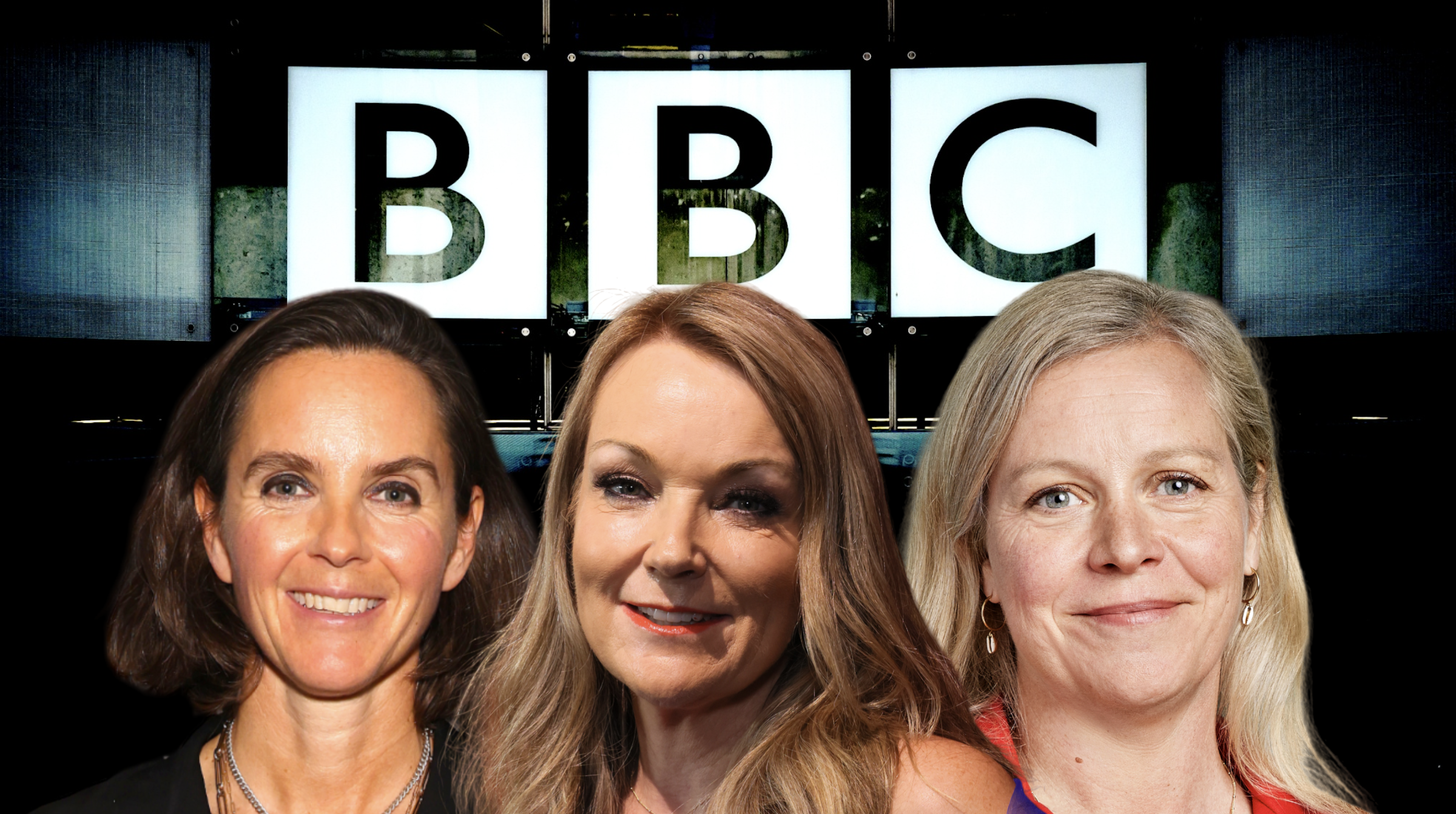
Among the most likely candidates are Jay Hunt, the head of Apple TV in Europe; Charlotte Moore, a former BBC content chief; and Alex Mahon, the former CEO of Channel 4. While these names have surfaced, an internal candidate has yet to gain traction in the race.
Sources familiar with the discussions have indicated that Hunt is considering the position but remains cautious in conversations with industry peers. Colleagues note her awareness of the challenges facing the BBC, yet she has not ruled herself out of contention. Her background as a journalist and her tenure at the BBC, where she championed successful shows like Slow Horses and Sherlock, make her a compelling candidate.
Moore, who left the BBC in 2022 to take on the role of CEO at Left Bank Pictures, remains popular within the BBC community. Many insiders express a desire to see her return, having served on the BBC board and managed successful programmes such as The Traitors. Despite speculation, those close to Moore suggest she is unlikely to pursue the director general role, having sought a quieter, more creative environment at Left Bank.
Mahon, on the other hand, is reportedly serious about the opportunity, having only recently transitioned to Superstruct Entertainment. With eight years at Channel 4, she has demonstrated strong political and commercial acumen, essential traits for navigating the complexities of leading the BBC, especially during critical funding and charter discussions.
The Landscape Ahead for the BBC
The new director general will face an organization at a crossroads, contending with the influence of global tech giants and domestic pressures from conservative politicians and media stakeholders advocating for a reduced BBC presence. Additionally, a legal dispute with U.S. authorities over the controversial Panorama edit that led to Davie’s resignation adds to the challenges ahead.
Other candidates under consideration include Jane Turton, CEO of All3Media, and Patrick Holland, former BBC2 head and current chief of Banijay UK. Although Turton has not formally applied, she is well-regarded in the industry. Holland, while content at Banijay, acknowledges the significance of the director general position.
In the realm of potential internal candidates, Rhodri Talfan Davies, the current chief of nations and regions, is viewed as a likely interim director general. Another name mentioned is Tom Fussell, head of BBC Studios, although neither is considered a serious contender for the permanent role.
Among the male candidates linked to the position are John Ryley, former head of Sky News; James Harding, ex-BBC News director; and John Micklethwait, editor-in-chief of Bloomberg. Despite their qualifications, Micklethwait has privately expressed disinterest in the role.
As the BBC navigates this pivotal moment, the outcome of the director general selection process will significantly shape the future of the organization. With a mix of established industry leaders and emerging talents in the running, the decision will not only impact the BBC but also the broader landscape of British media.