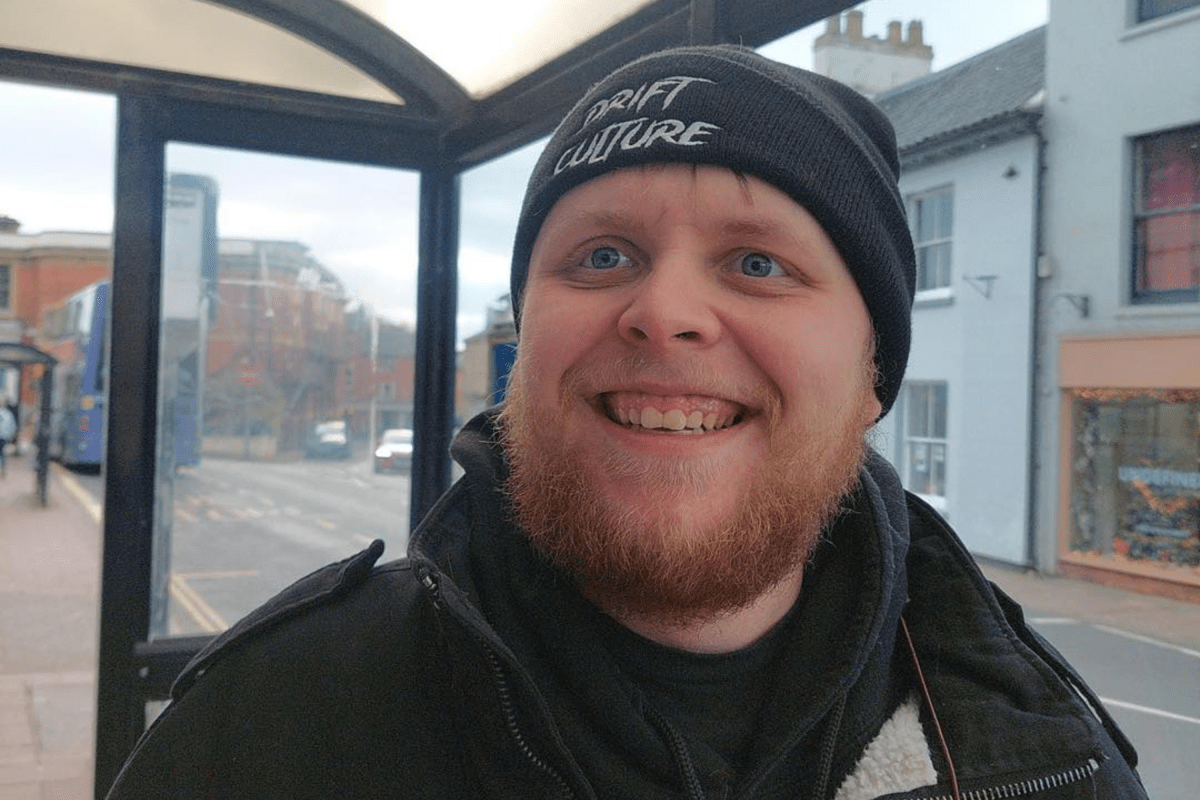
UPDATE: A 24-year-old man from Norfolk, England, has tragically died from a rare form of dementia, prompting his family to donate his brain to medical researchers in hopes of advancing treatment options. Andre Yarham passed away peacefully in his sleep on December 27, 2023, just weeks after his family learned of his devastating diagnosis of frontotemporal dementia (FTD).
His heartbroken mother, Sam Fairbairn, expressed her sorrow, stating, “He never felt any pain,” while highlighting her son’s vibrant personality. Fairbairn described Andre as a “very cheeky boy with a brilliant sense of humor” and a “heart of gold,” emphasizing that he was always eager to help others.
In November 2022, Fairbairn noticed troubling changes in Andre’s behavior. Initially diagnosed with autism, she soon realized something more serious was at play when he began to forget simple tasks, often getting lost in familiar areas. “I knew something wasn’t quite right,” she recalled.
Officials from Dementia UK confirm that FTD affects about one in 20 dementia patients, primarily impacting those under 65 years old. It is exceedingly rare for individuals under 45 to receive such a diagnosis. According to Kirsty Dallison-Perry, head of consultant admiral nurse and health inequality service, “As it develops, it can present with drastic changes in personality and behavior.”
In June 2024, after undergoing an MRI scan, Andre’s family received shocking news: his frontal lobe was “shrinking,” resembling that of a 70-year-old dementia patient. The rapid progression of his symptoms left medical professionals astonished, with many expressing disbelief at how quickly his condition declined. By September 2024, Andre required full-time care, ultimately moving into a care home.
Fairbairn, who left her job as a coach driver to care for her son, witnessed the heartbreaking transformation of a once-vibrant young man. “We had been told it was possible he wouldn’t see his 30th birthday, but we never expected that he wouldn’t reach 25,” she lamented.
As his condition deteriorated, Andre was hospitalized due to an infection, leading to end-of-life care. Despite being unable to make the decision himself, Fairbairn believes her son would have been proud of the choice to donate his brain and spinal cord to research. “He was such a giving boy,” she said, “and knowing his personality, he would probably think it is ‘cool’ that his brain has been donated.”
The Alzheimer’s Association points out that while there are no specific treatments for FTD, some medications may alleviate symptoms like irritability and depression. However, these therapies do not halt the disease’s progression, which progressively worsens over time, leading to debilitating physical complications.
Yarham’s family hopes that their decision to donate his brain tissue will aid researchers in understanding FTD better and potentially spare other families from similar heartache. The urgency for further research cannot be overstated, as many young individuals face the unthinkable challenge of dementia.
This tragic case sheds light on the pressing need for awareness around young-onset dementia and the impact it has on families. For those interested in supporting research or seeking assistance, organizations like Dementia UK provide valuable resources.
Stay tuned for further updates on this developing story and its implications for dementia research.