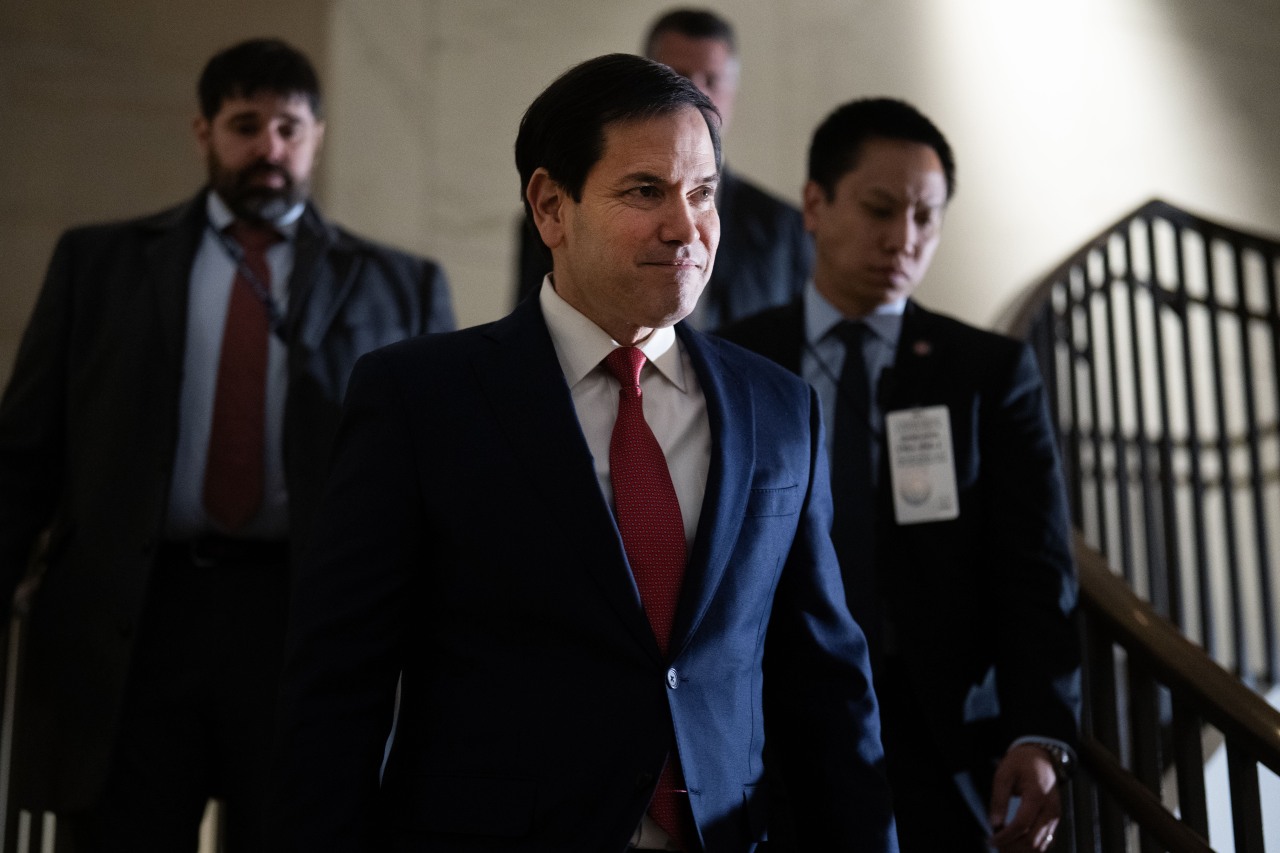
Marco Rubio, once a vocal critic of President Donald Trump, has shifted his political alignment and emerged as one of the president’s most influential advisers. This transformation reflects a broader trend among Republican leaders who have embraced Trump’s “Make America Great Again” (MAGA) agenda, aiming to reshape U.S. foreign policy, particularly in Latin America.
Evolution of a Political Relationship
Rubio’s journey from critic to ally is notable. In the early stages of Trump’s campaign in 2016, Rubio expressed concerns about Trump’s approach and rhetoric. He even referred to Trump as a “con man” during the Republican primaries. Despite these criticisms, as he assumed the role of Secretary of State, Rubio adopted a more conciliatory stance. He recognized the political necessity of aligning with Trump’s vision, which resonated with a significant segment of the Republican base.
This shift has positioned Rubio as a key figure in shaping U.S. policy towards Latin America. His focus on promoting democracy and economic growth in the region aligns with the MAGA agenda, which emphasizes a strong, America-first approach to foreign relations.
Impact on Latin American Relations
Rubio’s influence in this area has significant implications. He advocates for increased U.S. engagement in Latin America, emphasizing the importance of addressing issues such as corruption, human rights, and economic instability. This approach aims to counteract the influence of China and Russia in the region.
In recent months, Rubio has been vocal about the need for a robust U.S. presence in Latin America, citing examples such as the crises in Venezuela and Nicaragua. He argues that a proactive stance can help to stabilize these nations, ultimately benefiting both the U.S. and its southern neighbors.
According to a report from the U.S. State Department, U.S. investments in Latin America have reached approximately $50 billion annually, highlighting the strategic importance of these relationships. Rubio’s advocacy for investment and assistance underscores his commitment to fostering bilateral partnerships that can address regional challenges.
As Rubio continues to navigate his dual role as Secretary of State and a leading voice within the Republican Party, his alignment with Trump’s policies will likely shape the future of U.S.-Latin American relations. This evolution not only reflects Rubio’s political adaptability but also signals a broader shift within the Republican Party, which increasingly prioritizes Trump’s agenda over traditional conservative values.
In conclusion, Marco Rubio’s transformation from critic to close adviser illustrates the complexities of contemporary American politics. His commitment to redefining U.S. policy towards Latin America underlines the significant impact of party alignment in shaping international relations. As the political landscape evolves, all eyes will be on how Rubio’s strategies unfold in the coming years.