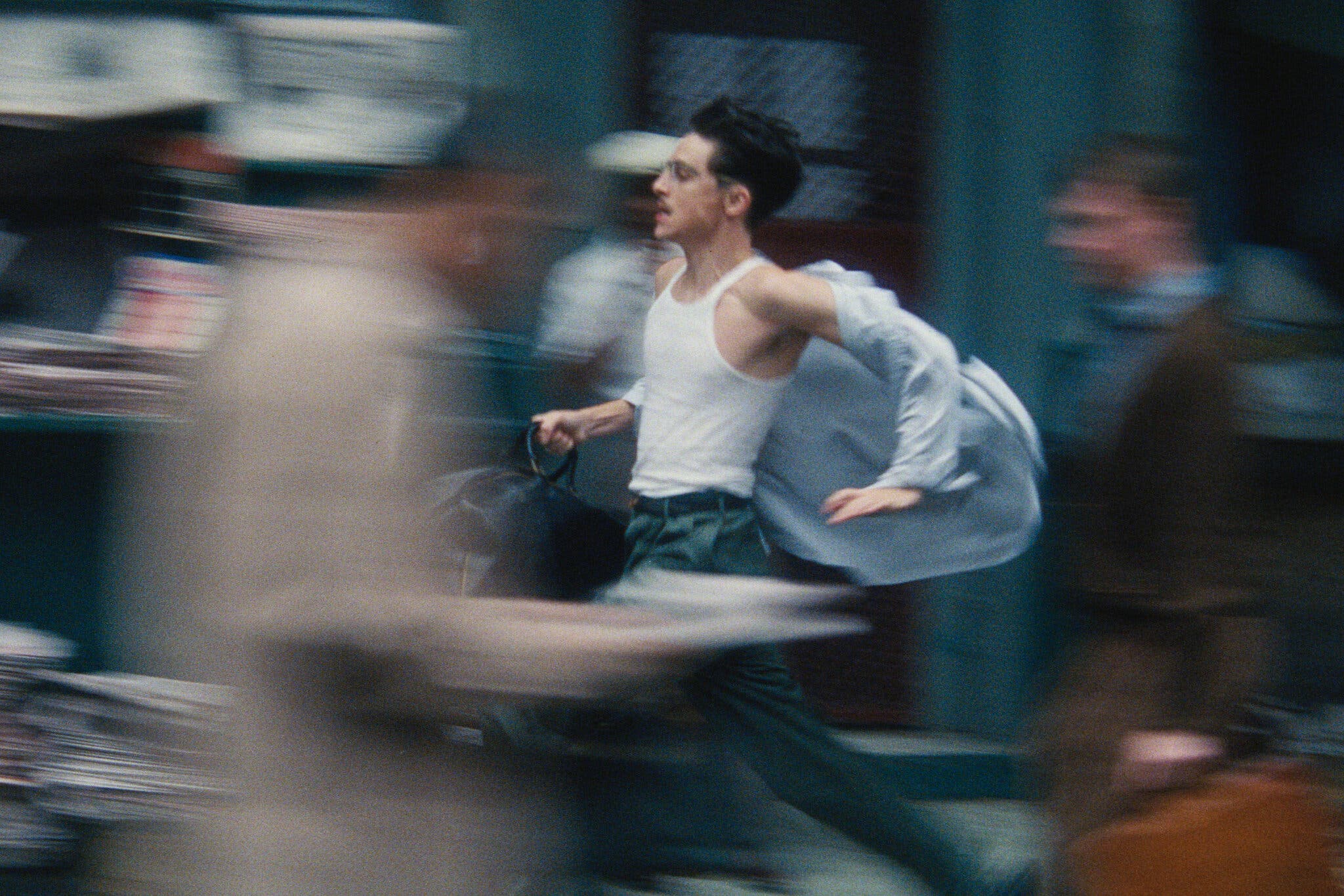
The film Marty Supreme, directed by Josh Safdie, has garnered intense reactions for its challenging narrative and remarkable performances, particularly that of Timothée Chalamet. Released in 2025, this cinematic experience explores the dark undercurrents of ambition through the lens of a deeply flawed protagonist, Marty Mauser, a table tennis prodigy whose relentless pursuit of success leads him down a treacherous path.
Chalamet embodies Marty, a character whose deep-seated unhappiness drives him to deceive and manipulate those around him. As audiences follow his episodic journey, they encounter a variety of colorful characters, from faded movie stars to ruthless gangsters. The story unfolds in a grimy, stylized vision reminiscent of the 1950s, enhancing the film’s overall tension and urgency.
Technical Brilliance and Emotional Depth
From the outset, Safdie’s direction captivates with its technical prowess. The film’s visual and auditory elements create an atmosphere filled with anxiety and intensity, reflecting Marty’s inner turmoil. Within the first half hour, viewers may find themselves entranced by the film’s aesthetic, but as the story progresses, an overwhelming sense of exhaustion sets in.
The narrative’s exploration of the American Dream is particularly poignant. Marty’s journey serves as a critique of the hollow promises often associated with success. He is portrayed as a character who believes he is the apex predator, yet his actions reveal a deep-seated fear of inadequacy. The film effectively forces the audience to grapple with complex moral questions about ambition, self-identity, and the costs of pursuing one’s dreams.
As the film unfolds, Safdie does not shy away from showcasing Marty’s narcissism and relentless drive. Viewers may find themselves conflicted—while they may despise Marty for his actions, they cannot help but be drawn into the chaos he creates. The film’s 150-minute runtime allows ample opportunity for audiences to reflect on their own values and ambitions.
A Masterclass in Performance
Chalamet’s portrayal of Marty is arguably one of the finest performances of his career thus far. He transforms into a character that is difficult to empathize with, yet impossible to ignore. The emotional depth he brings to the role amplifies the film’s themes and engages viewers in a way that is both unsettling and thought-provoking.
As the closing credits roll, it becomes clear that Marty Supreme is not merely about the pursuit of ping pong dominance; it is a broader commentary on the human experience. The film invites audiences to question their own self-mythologizing and the societal expectations that shape their lives.
In conclusion, while Marty Supreme may not be a film that everyone will want to revisit, its impact is undeniable. Safdie has crafted a work that not only entertains but also challenges viewers to reflect on the nature of ambition and the realities of the American Dream. This film stands as a testament to the power of cinema to provoke thought and elicit genuine emotional responses.