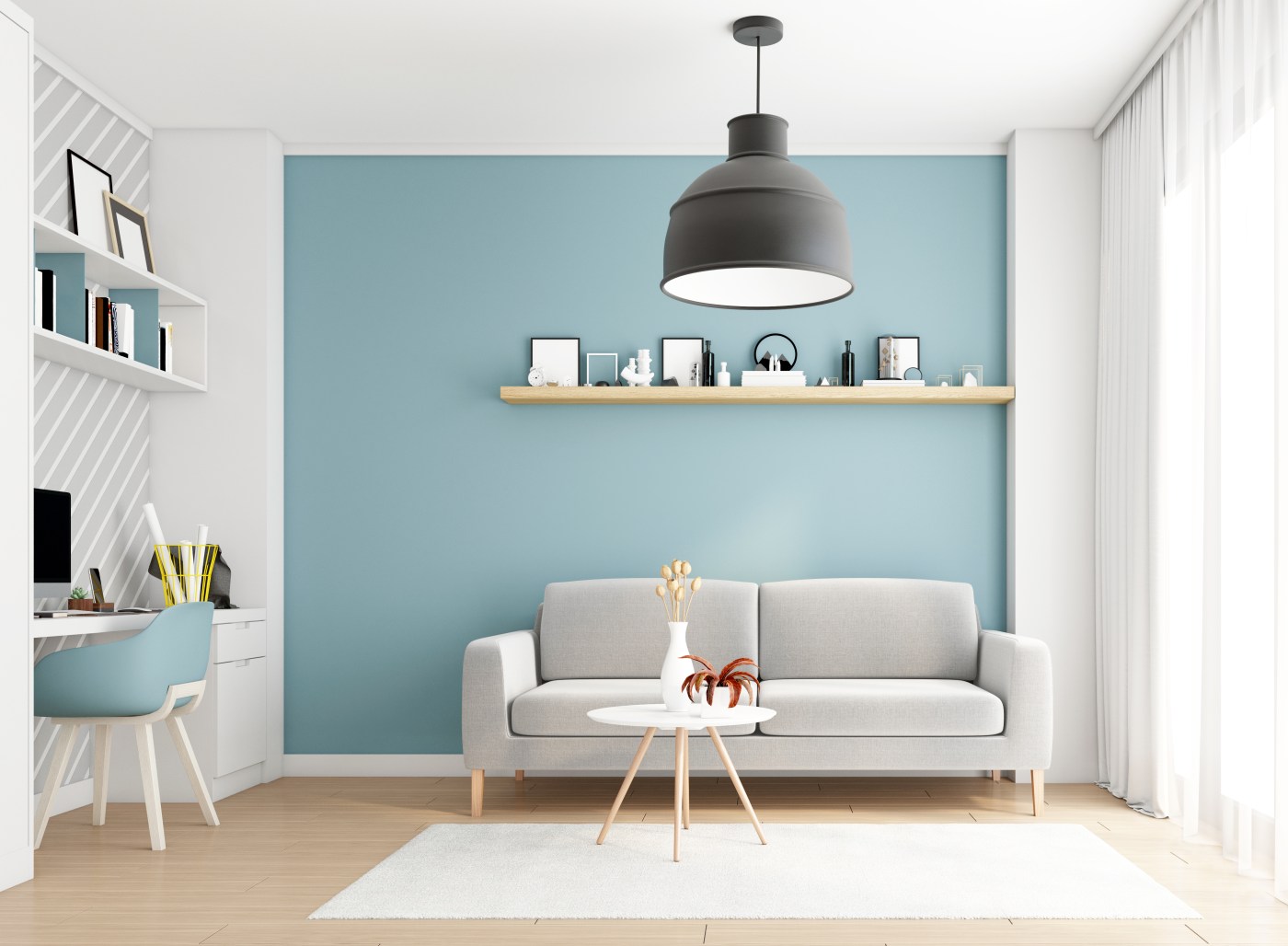
Lighting profoundly influences the atmosphere of a home. It can create a welcoming environment or an intimate space, depending on how it is used. While aesthetic choices are important, the functionality of lighting fixtures also plays a crucial role. To help homeowners enhance their living spaces, experts identify six common lighting mistakes and provide practical solutions.
1. Neglecting Functional Needs
According to interior designer Audrey Scheck, one significant error homeowners make is installing fixtures that fail to adequately illuminate the entire area. Lighting should not only be visually appealing but also serve its primary purpose effectively. In larger spaces, such as open-concept living rooms, it may be necessary to incorporate multiple fixtures or additional lighting sources, such as lamps, to ensure adequate brightness.
2. Selecting Inappropriate Fixtures
Different types of lighting are better suited for specific rooms. For instance, while overhead and recessed lighting may be effective in a living room, shaded sconces can provide the soft, ambient light that is more appropriate for a bedroom. Similarly, a large floor lamp can enhance a home office but might be ill-suited for a child’s playroom. Understanding the context of each room is essential for choosing the right fixture.
3. Overlooking Wattage Recommendations
Creative director Ben Marshall from Mitzi and HVLG emphasizes the importance of paying attention to wattage when selecting light bulbs. Fixtures come with maximum wattage recommendations, but this does not mean homeowners should always use the highest wattage available. Instead, experimenting with various wattage bulbs can help determine the optimal brightness for each specific space.
4. Ignoring Color Temperature
The color temperature of light can significantly affect the mood of a room. Marshall suggests that some individuals may prefer warmer light, with bulbs rated between 2500-2700K. In contrast, Scheck recommends a range of 2700-3000K for a light that feels inviting without leaning too orange or too blue. Understanding these temperatures can help homeowners create the desired ambiance.
5. Disregarding Dimmer Switches
Investing in dimmer switches can greatly enhance the versatility of lighting in a home. While the installation may involve additional costs, the benefits are substantial. As Marshall points out, different activities require different lighting levels. Bright lights may be necessary for cleaning, while a soft glow is more suitable for hosting a dinner party. The ability to adjust lighting levels allows homeowners to tailor their environment to various occasions.
6. Choosing Fluorescent Bulbs
While fluorescent bulbs are often considered energy-efficient, they pose risks in residential settings. If shattered, these bulbs release small amounts of mercury and require careful cleanup. This concern is especially relevant for homes with children. To ensure safety, it is advisable to avoid fluorescent bulbs altogether in favor of more suitable lighting options.
By addressing these common lighting errors, homeowners can significantly enhance the mood and functionality of their spaces. Taking the time to evaluate lighting choices can lead to a more inviting and practical home environment.