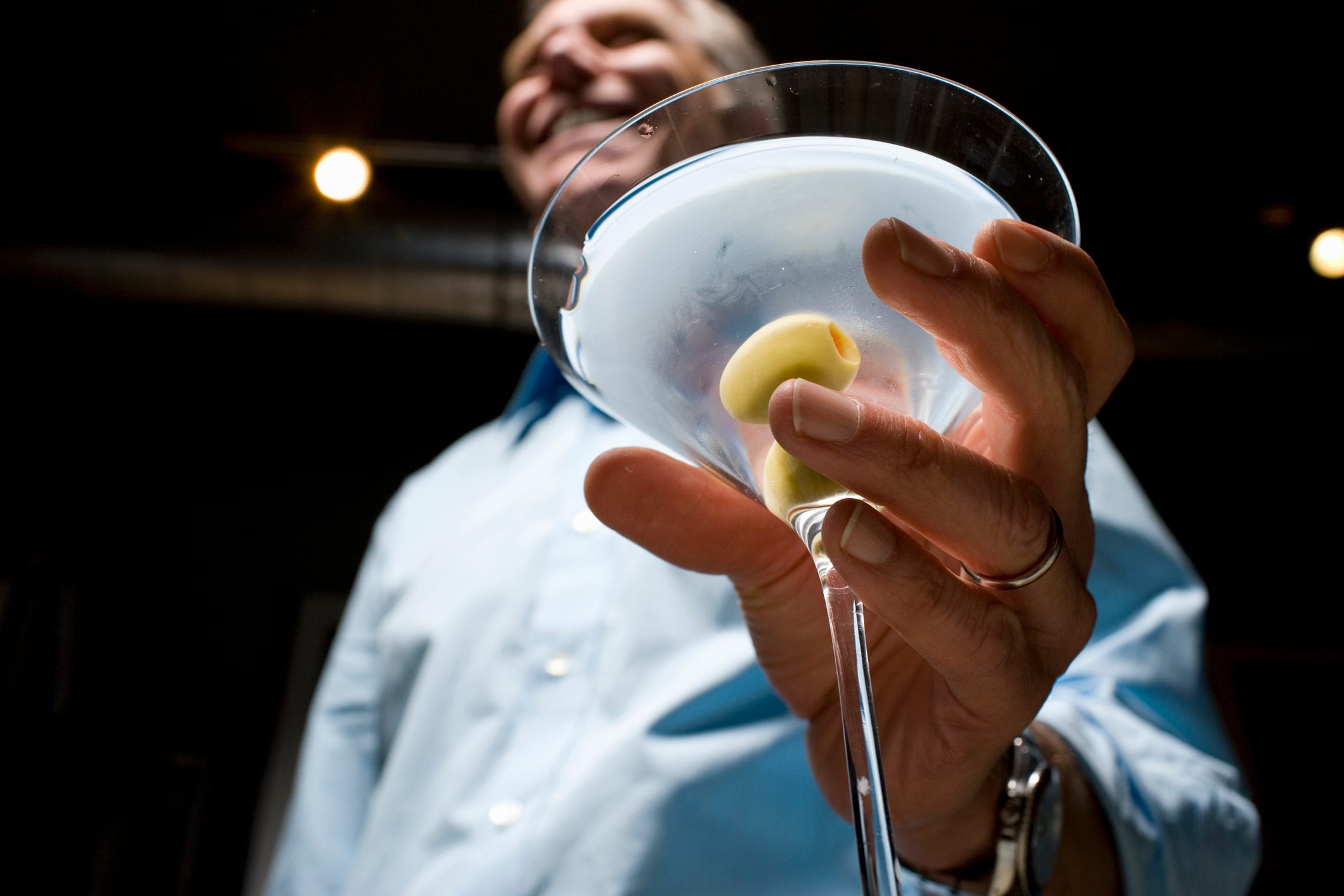
Many individuals are seeking ways to reduce their alcohol consumption this January, with a growing trend towards what some call “Damp January.” This approach emphasizes mindful drinking, a practice that encourages moderation without requiring complete abstinence from alcohol. Mindful drinking focuses on making conscious choices about when and how much to drink, ultimately leading to a healthier relationship with alcohol.
Understanding Mindful Drinking
Mindful drinking is about being aware of your alcohol consumption and its effects on your overall well-being. It involves striking a balance between enjoyment and health, allowing individuals to appreciate the social aspects of drinking while respecting their bodies. This approach is gaining traction as a sustainable lifestyle choice rather than a temporary fad.
According to research, mindful drinking helps mitigate the negative consequences often associated with excessive alcohol consumption, such as “hangxiety,” weight gain, and sleep disturbances. By adopting this practice, individuals can enhance their quality of life without sacrificing the pleasures of social interactions.
Strategies for Mindful Drinking
In her early exploration of mindful drinking, Dezi Abeyta, a registered dietitian nutritionist and founder of Foodtalk Nutrition LLC, suggested simple strategies like alternating alcoholic beverages with water. Her recent work with the Sunnyside app, which promotes mindful drinking, has shown promising results. Among the 25,000 participants in the Dry(ish) January initiative, those who fully abstained from alcohol reduced their intake by an impressive 61 percent, while those who adopted a more moderate approach cut back by 22 percent.
The Sunnyside app offers features such as tracking tools, reminders, and community support, making it easier for individuals to practice mindful drinking. However, the essence of mindful drinking does not depend on technology. For those who prefer a more traditional approach, tracking habits with pen and paper can also foster awareness about drinking patterns.
To promote mindful habits, consider substituting your usual post-work drink with a refreshing walk or a workout. Recognizing the cues that trigger your drinking habits is the first step in making healthier choices. By tracking your progress, you can observe the positive changes that occur when you replace alcohol with energizing activities.
The benefits of mindful drinking extend beyond physical health. Individuals often find they are more present in social situations, enjoy their drinks more fully, and make more informed choices about their consumption. As Abeyta notes, understanding your motivations for drinking can lead to healthier decisions. For example, choosing to stop after one or two drinks because “tomorrow is a big day” can help maintain a balanced lifestyle.
Mindful drinking represents a commitment to personal well-being. By fostering a greater awareness of your drinking habits, you can enjoy the social aspects of alcohol while prioritizing your health. This January, whether you choose to participate in Dry(ish) January or simply aim to drink more mindfully, making conscious choices can lead to a more fulfilling and healthier lifestyle.