Tensions between China and Japan escalated significantly when Beijing announced a ban on exports to Japan that could have military applications. This decision, made public by the Ministry of Commerce of the People’s Republic of China in September 2023, marks a notable shift in the ongoing dispute over Taiwan and highlights the growing geopolitical tensions in the region.
The export restrictions specifically target materials that could be utilized in military or defense-related industries. This move is seen not only as a response to Japan’s stance on Taiwan but also as part of China’s broader strategy to assert its interests in the Asia-Pacific region. Analysts suggest that this action could have far-reaching implications for the already strained relations between the two nations.
Impact on Regional Relations
The ban on exports comes at a time when Japan has been increasingly vocal in supporting Taiwan amidst rising military pressure from China. In recent months, Japan has enhanced its defense cooperation with the United States and other allies, further irritating Beijing. By restricting exports, China aims to signal its discontent with Japan’s diplomatic moves and assert its influence over Taiwan, which it considers a breakaway province.
Tokyo has expressed concern regarding China’s intentions, stating that such actions could destabilize the security landscape in the region. Japanese officials are closely monitoring the situation, with Foreign Minister Yoshimasa Hayashi calling for dialogue to resolve differences peacefully.
Economic Considerations
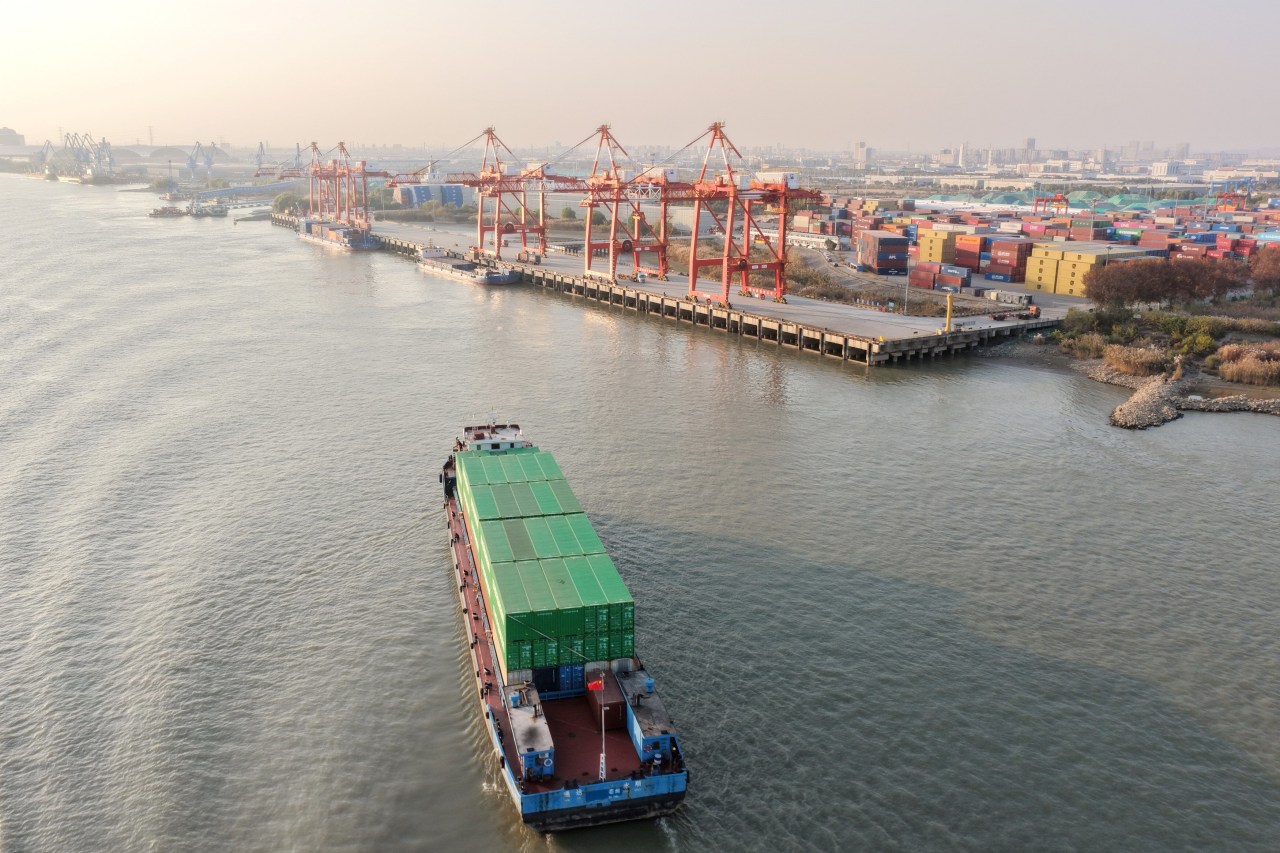
The economic ramifications of this export ban could be significant. Japan relies on China for a substantial portion of its raw materials and components used in various industries, including technology and manufacturing. The restrictions could disrupt supply chains, prompting Japanese businesses to seek alternatives, which may lead to increased costs and production delays.
Experts estimate that the economic impact could reach into the millions, affecting both countries’ economies. China, while striving to assert its power, must also consider the potential backlash from this decision. The intertwining of their economies complicates the situation, as both nations benefit from trade despite their political differences.
As tensions continue to rise, the international community is watching closely. The United States and other allies have reiterated their support for Japan, emphasizing the need for a unified stance against aggressive actions in the region. The situation remains fluid, and further developments are likely as both countries navigate this complex geopolitical landscape.
The implications of China’s recent export ban extend beyond immediate economic concerns. It reflects a larger struggle for power and influence in Asia, with Taiwan at the center of this contentious relationship. As both nations prepare for potential escalations, the global community is reminded of the delicate balance that exists in international relations and the importance of diplomatic engagement.