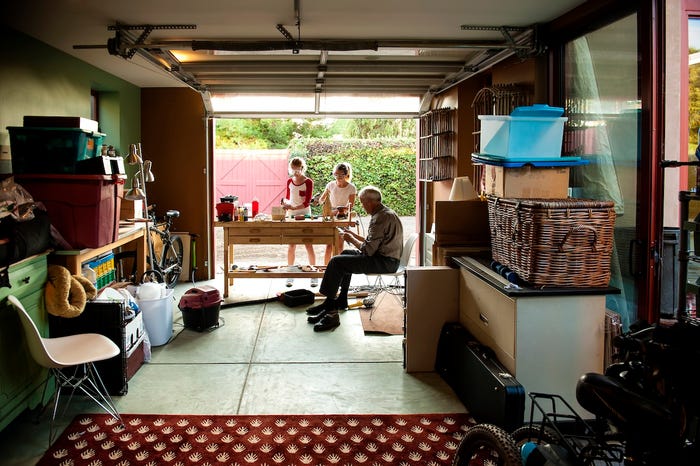
URGENT UPDATE: The landscape of American living is dramatically changing, as new data reveals a staggering quadrupling of multigenerational households from 7% in 1971 to 18% in 2021, according to Pew Research. As costs of living soar, families are increasingly opting to live together, reshaping traditional housing dynamics.
This significant trend is driven by rising expenses, with families seeking to share rent, mortgage payments, and caregiving responsibilities. As reported, homebuyers are now actively searching for properties designed for multigenerational living, highlighting a new focus on shared spaces. The National Association of Realtors also notes a sharp rise in interest for accessory dwelling units, commonly known as granny flats.
While many families benefit from this arrangement, a growing number of solo-agers—older adults without children or close family ties—face challenges in finding suitable living solutions. “We have more and more solo-agers who didn’t have children or didn’t get married,” said Bob Kramer, founder of the National Investment Center for Seniors Housing and Care. This demographic is increasingly seeking community-oriented living arrangements to combat isolation.
Intergenerational living, where different age groups share housing, is emerging as a viable solution. From cohousing setups to purpose-built communities, these arrangements are designed to foster connection among residents of various ages. For example, the mixed-income complex One Flushing in Queens, New York, features 231 apartments, with 66 reserved for older adults, and a community center that encourages interaction with local high schoolers.
Despite these positive developments, affordability remains a pressing concern for middle-income families. “There really aren’t many options for modest-income folks,” warns Robyn Stone, senior vice president at LeadingAge, a nonprofit representing aging service providers. Many individuals earn too much to qualify for government assistance but struggle to afford market-rate housing.
Experts agree that while multigenerational living offers a creative solution, it is not a one-size-fits-all answer. Diverse needs and preferences among baby boomers, Gen Z, and others underscore the complexity of housing solutions today. “I don’t think I would want to open my house to anybody if I were living alone,” Stone added, emphasizing the need for intentional community-building as people age.
As the trend of multigenerational and intergenerational living continues to grow, the immediate future of housing will need to adapt to these changing dynamics. Families and individuals facing high costs of living must consider these evolving options to foster connection and support within their communities.
Are you part of a multigenerational household or an intergenerational community? Share your experience with us at [email protected].