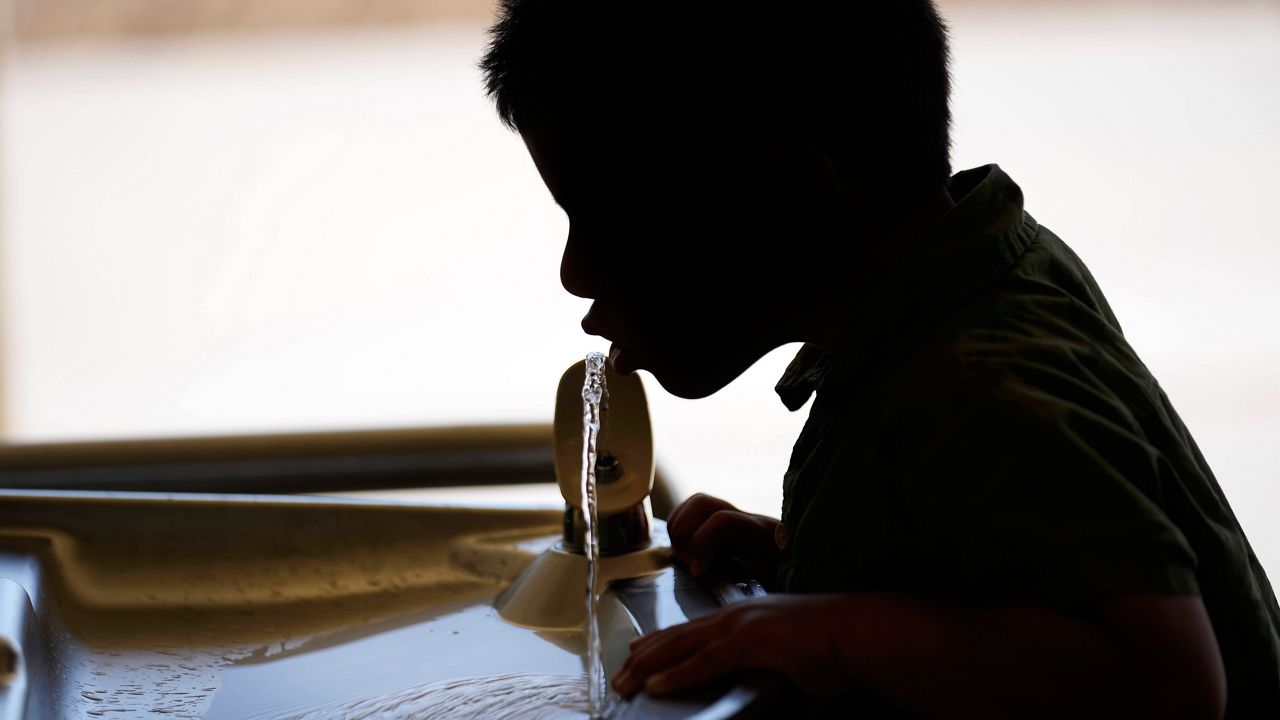
URGENT UPDATE: Schools in Jamestown, N.Y. are taking immediate action after alarming reports reveal elevated lead levels in drinking water fixtures. Recent tests indicate that some districts have recorded lead levels exceeding the newly established threshold of 5 parts per billion, prompting swift closures of affected fixtures.
In 2022, state regulations were tightened, reducing the acceptable lead limit from 15 parts per billion to 5 and decreasing testing frequency from every five years to just three. Dr. Kevin Whitaker, superintendent of Jamestown Public Schools, emphasized the importance of adhering to these standards to ensure the safety of students. “We need to make sure that we’re following regulations and keeping our kids as safe as possible against lead,” he stated.
State health officials confirm that 90% of tested districts are below the safe lead threshold. However, the situation remains critical in areas like Jamestown, where immediate measures are underway to address the contamination. Signs have been posted on affected fixtures as district leaders coordinate with health authorities to repair or replace the impacted infrastructure.
Dr. Tariq Khan, a pediatrician with Southern Tier Pediatrics, warns that while low levels of lead may seem harmless, they can lead to significant developmental issues in children. “No amount of lead is safe in the human body,” he stressed. Early detection is crucial to prevent exposure that could result in learning difficulties and decreased focus among students.
The challenge is compounded by outdated school infrastructure and older housing stock, which can exacerbate lead issues. Dr. Whitaker noted, “If you have older housing or plumbing, you tend to have more of a lead issue.” Parents are urged to stay vigilant and seek medical advice if they suspect exposure.
As Jamestown navigates this crisis, district leaders are grappling with the financial burden of remediation, as they report receiving no state assistance for the costly repairs. “We must budget the cost ourselves,” Dr. Whitaker added, highlighting the strain on local resources.
Experts caution that while lead in drinking water is a concern, exposure to lead paint is often far more dangerous, particularly in homes built before 1978. Families are encouraged to remain proactive about potential exposure and consult their doctors if they have concerns.
The situation is developing, and authorities will continue to monitor water quality closely, striving to ensure that all schools achieve a lead-free status. As the community rallies to address this public health challenge, parents can expect ongoing updates and resources from local health departments.
Stay tuned for more updates on this urgent issue affecting schools across New York.