UPDATE: President Donald Trump has sparked intense controversy with his recent announcement regarding a new class of battleships, dubbed the “Golden Fleet.” The plan, revealed on December 22, 2023, is drawing sharp criticism from military experts and lawmakers, who argue it contradicts decades of naval strategy favoring submarines over surface ships.
Trump’s proposal includes the construction of up to 25 new battleships, with the first ship potentially costing as much as $15 billion. Critics, including Rep. Joe Courtney (D-Conn.), have voiced concerns that this initiative could undermine the U.S. Navy’s effectiveness in modern maritime warfare. Courtney, who may chair the House Armed Services Committee’s Seapower Subcommittee if Democrats regain control, stated, “We can do much better than living in the past.”
The announcement was made during a press conference that notably lacked uniformed Navy personnel, raising eyebrows within the military community. Critics argue that Trump’s focus on battleships ignores the vulnerabilities exposed during World War II, where large surface vessels proved susceptible to aerial and underwater attacks.
Trump’s plan comes at a time when the Pentagon has been prioritizing its advanced submarine capabilities, highlighting the need for a flexible and stealthy naval presence. A recent Congressional Research Service report emphasized that the U.S. advantage lies in its nuclear submarine fleet, which is crucial in countering China’s maritime expansion.
“Starting a class of Navy warships is not about satisfying some obsession with ‘aesthetics’ but rather about strengthening our force posture,” Courtney added.
Despite the ambitious nature of the Golden Fleet initiative, real implementation appears distant. The Navy has announced that design contracts for the Trump class battleships will have a six-year performance window, meaning any ships could enter service only by the late 2030s or early 2040s.
Trump’s announcement, made just days after Congress signed off on a defense budget that included no funding for new battleships, raises questions about the feasibility of such plans. “There’s been chatter” about finding money, Courtney noted, although he cautioned that it remains speculative.
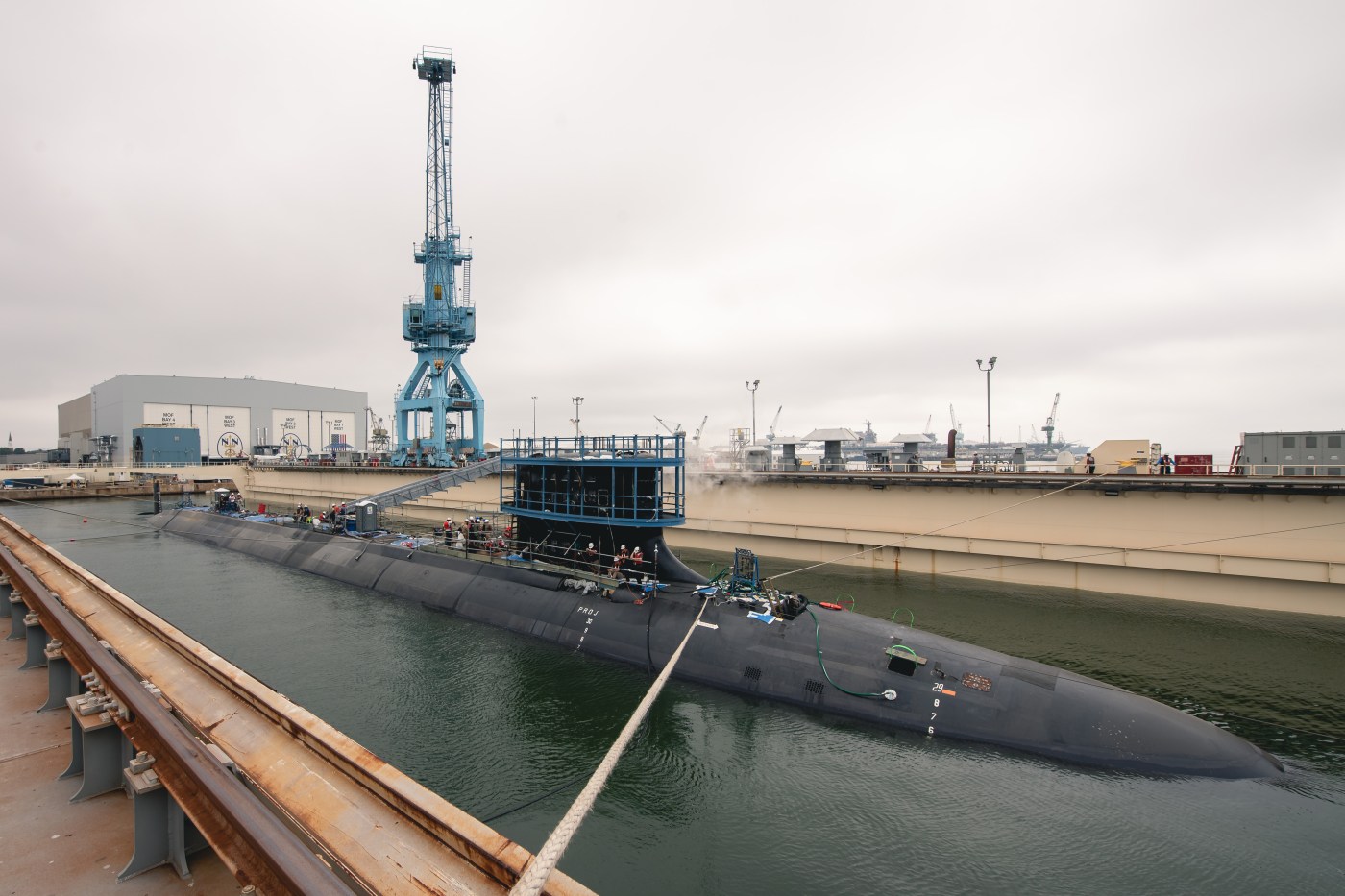
The U.S. Navy’s focus has shifted significantly towards enhancing its submarine fleet, as evidenced by ongoing investments in the Virginia-class and Columbia-class submarines. The Pentagon has cited these submarines as crucial for maintaining naval superiority amid growing threats in the Indo-Pacific region, particularly from China.
Experts are skeptical about the viability of the Golden Fleet, with analysts suggesting that the program may be abandoned by future administrations. Mark F. Cancian from the Center for Strategic and International Studies argued that the battleships “will never sail,” highlighting the long timeline from design to production and the diminishing role of large surface ships in modern defense strategies.
As the debate heats up, the implications of Trump’s battleship initiative are significant for the U.S. Navy and its global military standing. With Congress poised to scrutinize the feasibility of the plan, the future of the Golden Fleet remains uncertain amid pressing concerns about military readiness and national security.
Stay tuned for updates on this developing story as it unfolds.