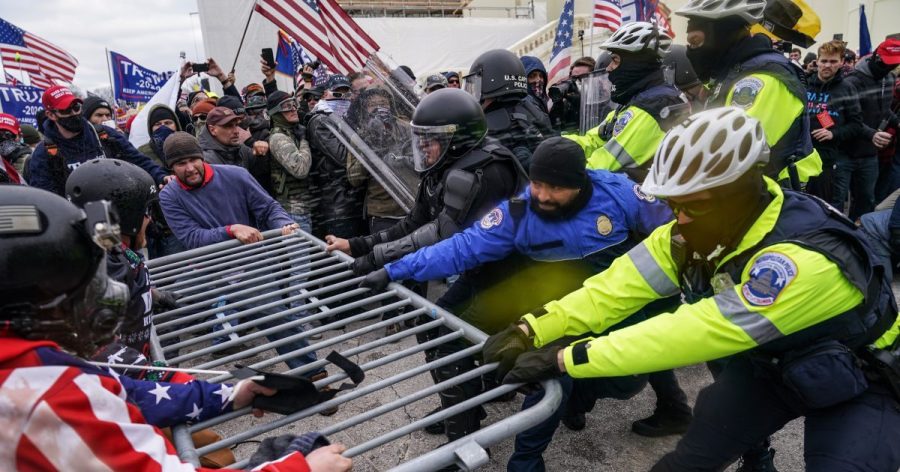
BREAKING: A shocking new report reveals that at least 23 individuals charged in connection with the January 6 Capitol riots have committed new crimes since the attack, raising serious concerns about accountability and public safety. This urgent update underscores the ongoing fallout from the insurrection as the nation approaches significant political milestones.
The report details alarming incidents, including plots to murder FBI agents who were investigating the January 6 events. Other crimes reported include violent assaults, strangulation, possession of child sexual abuse material, and reckless DUI homicide. These developments shine a light on the dangerous behavior of those previously pardoned and their continued threat to society.
Authorities confirm that these crimes occurred between the January 6 attack and President Trump’s second inauguration on January 20, 2021. The implications of this report are profound, calling into question the effectiveness of the legal repercussions faced by the rioters and their ongoing potential for violence.
The findings are part of an extensive investigation into the actions of individuals involved in the Capitol riot, revealing that the unrest has not ceased with the end of the Trump presidency. With the political climate still charged, these revelations could impact future legislative actions and public trust in law enforcement.
As the country reflects on the ramifications of January 6, this report serves as a stark reminder of the challenges that remain. Legal experts are urging lawmakers to take these new crimes seriously to ensure that those who threaten public safety are held accountable.
WHAT’S NEXT: As investigations continue, officials are expected to release more information on how these individuals will be prosecuted for their new crimes. Public vigilance is crucial as communities seek to understand the implications of this report and demand justice for the ongoing threats posed by these pardoned rioters.
Stay tuned for updates as this story develops, and share your thoughts on how these findings affect the broader conversation about accountability in America.