URGENT UPDATE: Homeowners in Washington State are facing a lawn crisis as crows are increasingly digging up yards in search of a hidden menace: the invasive European chafer beetle larvae. Reports confirm that these larvae are wreaking havoc on lawns, leading to significant damage just as homeowners prepare for summer.
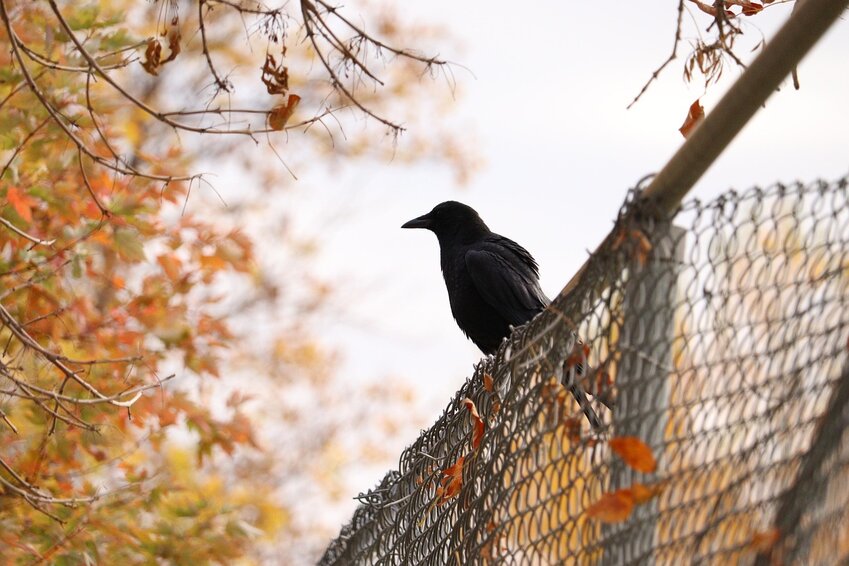
The crows, often seen as the culprits, are actually acting as nature’s pest control agents. According to John Marzluff, an emeritus professor of wildlife science at the University of Washington, “The crows are killing the invasive pest that’s really destroying the lawn.” As homeowners notice unsightly clumps of dirt and dying grass, it’s crucial to understand the ecological balance at play.
This invasive beetle has spread across Washington over the past decade, with its larvae feasting on turf roots. “They’re just there because of the grubs,” Marzluff explained. While crows are visible during the day, other predators like raccoons and skunks also join the hunt, although they are less frequently seen due to their nocturnal habits.
As the damage to lawns becomes apparent, experts urge immediate action. Jim Kropf, Washington State University Pierce County Extension Director, emphasizes the importance of watering lawns to keep the beetle population in check. “The beetles mate and lay their eggs in summertime,” Kropf warned, stressing that proper timing is key to effective pest control.
Homeowners are encouraged to consider registered insecticides, but Kropf cautions against applying them during fall or winter months when they won’t be effective. Additionally, diversifying plant life in lawns can help fend off these pests. Marzluff suggests that creating a diverse ecosystem reduces the likelihood of a pest invasion, as varied plants can create an environment that is less hospitable to pests.
For those looking to improve their lawns, King County offers an online guide featuring native plants suited for Western Washington. This resource can help homeowners cultivate a more resilient and diverse garden to combat invasive threats.
As the situation unfolds, homeowners are reminded: do not feed wildlife. Feeding raccoons, for example, can lead to aggressive behavior once feeding stops, posing further risks to communities.
Stay tuned for more updates on this urgent issue as homeowners adapt to these new challenges in maintaining their lawns.