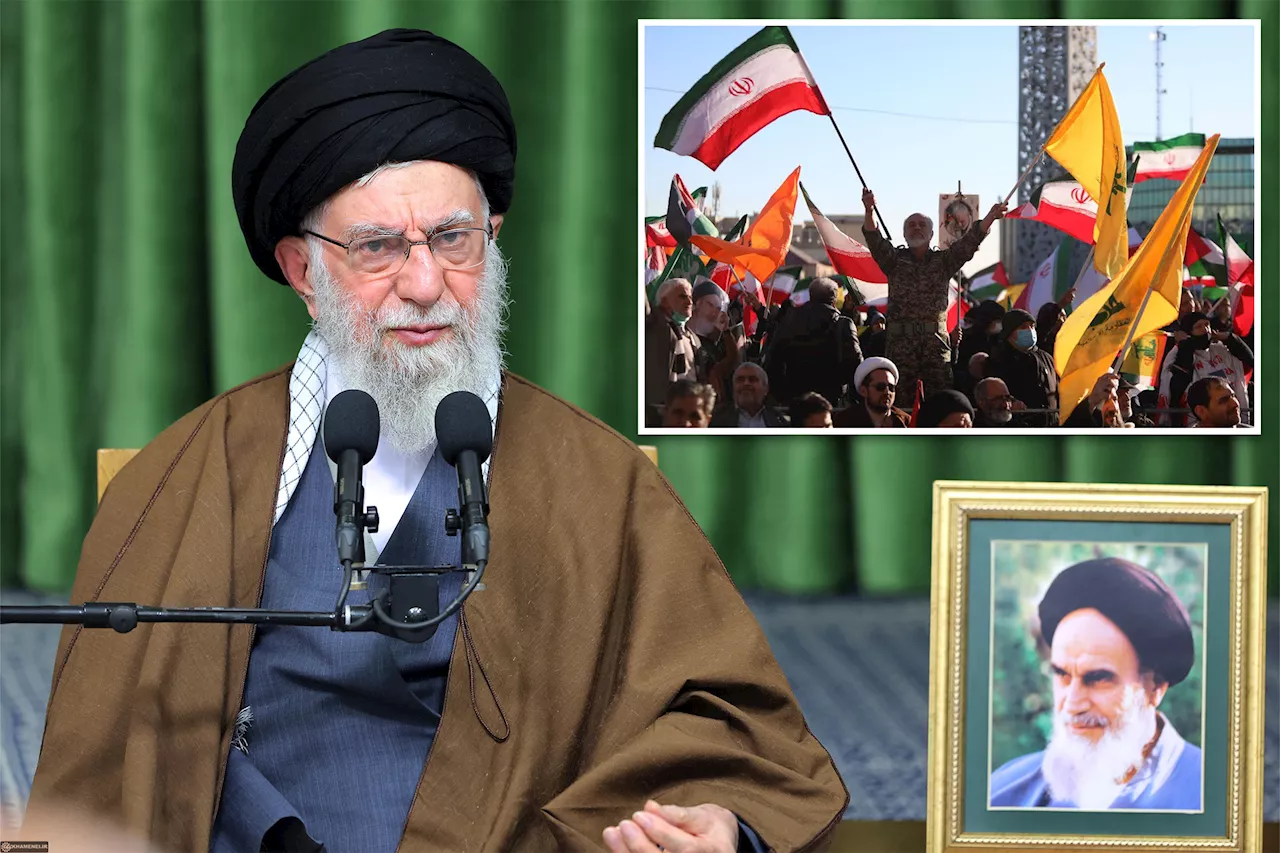
Protests have erupted across Iran, as citizens express their anger over an escalating political and economic crisis. On December 27, 2023, widespread demonstrations took place, leading to a government-ordered shutdown affecting 21 of the country’s 31 provinces, including Tehran. The unrest has been marked by chants of “Death to Khamenei!” and “Death to the dictator,” reflecting deep-seated dissatisfaction with the current regime.
Video footage circulating online, notably shared by the People’s Mojahedin Organization of Iran, depicts intense clashes between protesters and security forces in cities such as Shiraz, Isfahan, Kermanshah, and Tehran. In some areas, demonstrators have hurled objects at government buildings, demanding immediate change. Reports indicate that military helicopters have been deployed over cities like Fasa in an apparent effort to intimidate residents and prevent the unrest from escalating.
A significant portion of the protests has focused on bazaar-led demonstrations, particularly in Tehran, where merchants have confronted security forces. Footage from Kermanshah shows merchants chanting “Dishonorable, dishonorable” as they stand against the authorities. These actions highlight the growing frustration with rising inflation, currency instability, and declining living standards that have pushed many Iranians to the streets.
In response to mounting public anger, President Masoud Pezeshkian has appointed Abdolnaser Hemmati, a former economy minister, as the new head of Iran’s central bank, following the resignation of Mohammad Reza Farzin. The president acknowledged the challenges ahead for Hemmati, stating that the role would be “extremely difficult and complex.” This decision comes as protests, strikes, and clashes with security forces continue for a fourth consecutive day across the nation.
In addition, Supreme Leader Ayatollah Ali Khamenei has announced the appointment of IRGC Brigadier General Ahmad Vahidi as deputy commander in chief of the Revolutionary Guards, indicating a potential shift in military strategy amid the ongoing unrest.
The situation in Iran remains tense, with citizens’ demands for change growing louder each day. The government’s attempt to stifle dissent through shutdowns and military presence has thus far failed to quell public anger, suggesting that the protests may continue as the economic crisis deepens. As 2024 approaches, the Iranian government faces increasing pressure to address the underlying issues fuelling these demonstrations.