Baltimore County has received over $29 million from various opioid settlements, with plans to enhance addiction treatment services across the region. This funding, part of legal settlements aimed at addressing the opioid crisis, is being used to support innovative programs that expand access to care for those struggling with substance use disorders.
Ten years ago, Lauren and Dan Reck established the first two MATClinics offices in Dundalk and Towson to improve outpatient addiction treatment. Their for-profit venture offers medication-assisted treatment, behavioral health services, and case management. As MATClinics expanded to eight locations statewide, the need for accessible services remained evident, particularly for individuals in rural areas or those facing transportation barriers.
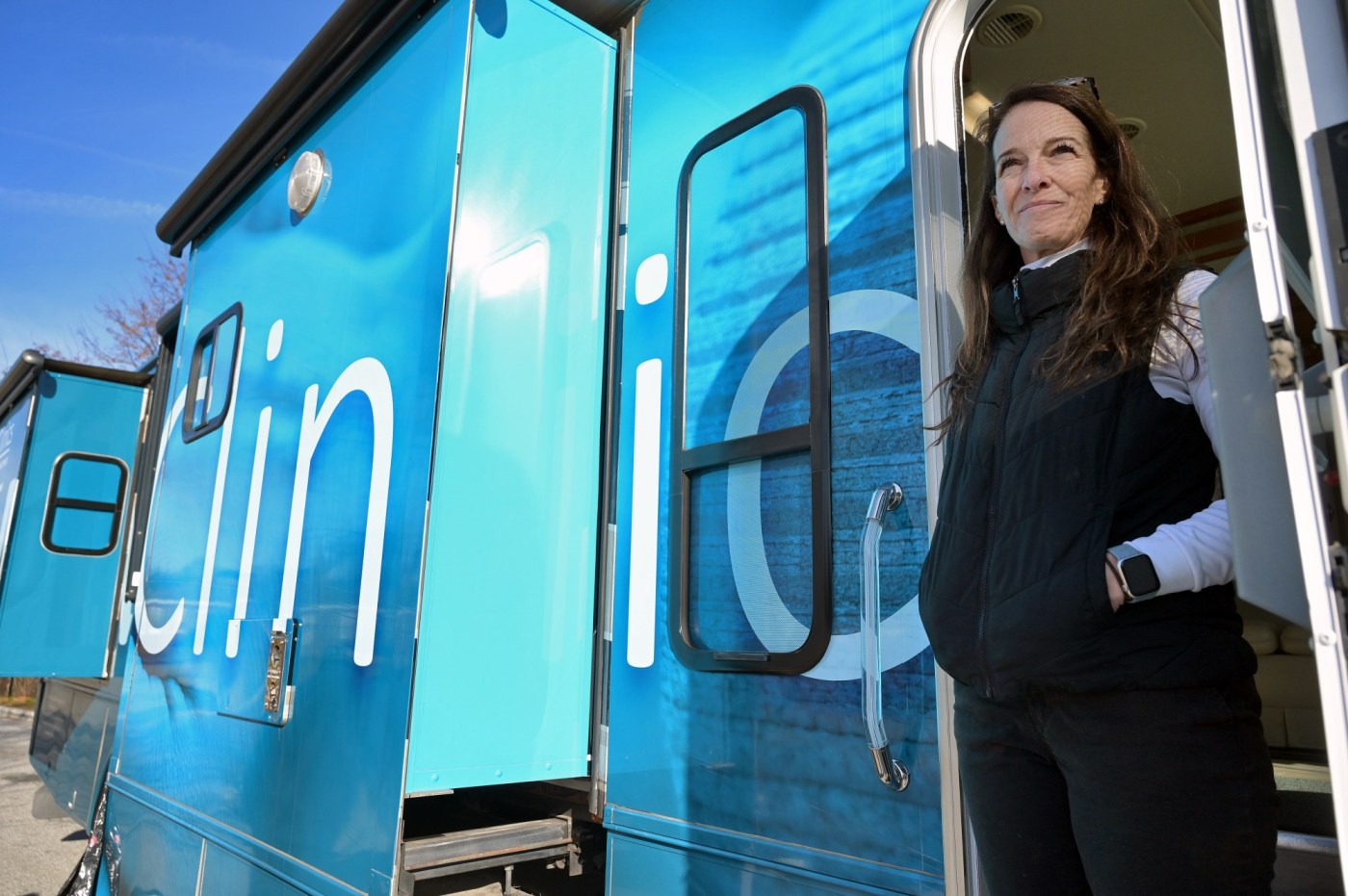
In response to these challenges, a bright blue, 35-foot mobile unit has been launched, funded by a $200,000 grant from Baltimore County’s opioid abatement fund. This mobile clinic travels to various locations, including the Westside Men’s Shelter in Catonsville and the Essex Library, to provide treatment services similar to those found in traditional medical offices.
Elise Andrews, the county’s opioid strategy coordinator, emphasized the importance of sustainable funding distributions. “The last thing we want to do is start a bunch of initiatives that then suddenly we have to tell them to stop,” Andrews stated. The county has already allocated approximately $4.2 million of the settlement funds as of the end of fiscal year 2025, which concluded on June 30.
Baltimore County has faced high overdose death rates in recent years. Data from the Maryland Department of Health indicates that opioid-related overdoses doubled from 2014 to 2018 before slightly decreasing in 2019, only to rise again in 2020. The pandemic exacerbated the crisis, as many individuals lost access to treatment. Nevertheless, recent statistics show a decline in overdose deaths, from 361 in 2021 to 179 in 2024.
Distribution of Settlement Funds
The settlement funds can only be utilized for specific purposes, including the distribution of naloxone, training for administering the drug, and medication-assisted treatment for pregnant or postpartum individuals, as well as treatment for newborns experiencing withdrawal. Additionally, funds may support prevention and harm reduction initiatives, including treatment for incarcerated individuals.
A significant portion of the initial spending has gone toward a state-mandated medication program at the Baltimore County Detention Center, which offers three FDA-approved medications for opioid use disorder. The funding has also been directed toward a provider that treats both substance use and mental health disorders, offering centralized services for participants in Baltimore County Circuit Court’s drug treatment program.
Andrews noted that every dollar spent is crucial, as it directly correlates with lives saved. The county has set aside $1 million to launch a grant program supporting opioid remediation projects, focusing on harm reduction and expanding access for vulnerable populations. MATClinics was among the five grant recipients, furthering its commitment to mobile services.
The Daniel Carl Torsch Foundation, established in memory of Dan Torsch, who died from a drug overdose, received nearly $184,000 to support its initiatives, including a mobile van stocked with food and supplies, which also provides case management services.
Addressing Stigma and Expanding Services
Toni Torsch, co-founder of the Daniel Carl Torsch Foundation, highlighted the ongoing stigma surrounding addiction treatment in Baltimore County. Despite the existence of programs, many individuals feel apprehensive about seeking help. “We’re bringing services to them… the only thing that we pack is a lot of compassion and services,” she stated.
MedStar Franklin Square Medical Center received nearly $250,000 to assist pregnant women and new mothers dealing with opioid use disorder. Lucas Carlson, an emergency medicine physician at MedStar, acknowledged the stigma associated with opioid use, noting that efforts are underway to create a supportive environment for those seeking treatment.
The funding will also help establish a recovery health navigator position to assist new and expectant mothers in accessing necessary resources. Additionally, MedStar is developing an opioid use disorder treatment protocol for its OB-GYN practices and inpatient labor and delivery units to ensure comprehensive care.
Other healthcare organizations are also enhancing in-person services. Chase Brexton, a nonprofit medical center, expanded its STEP (Substance Use Treatment Enhancement Program) Clinic to Woodlawn with more than $214,000 in opioid grant funding. The clinic provides medication-assisted treatment, peer support, and primary care services, aiming to make recovery more accessible for individuals balancing various life responsibilities.
Health Care for the Homeless, based in Baltimore, is establishing a walk-in medication-assisted treatment space at its Rosedale location, enhancing immediate access to services for patients. Laura Garcia, the chief medical officer, stated that these efforts aim to provide holistic care, addressing both physical and mental health needs.
Baltimore County’s proactive approach to utilizing opioid settlement funds and addressing the ongoing crisis reflects a commitment to improving access to care and reducing the stigma associated with addiction treatment. As the county continues to implement these initiatives, the focus remains on sustaining support for those in need and fostering an environment conducive to recovery.