UPDATE: Women are urgently seeking cosmetic surgery costing up to $2,000 to address unexpected changes in their intimate areas following rapid weight loss from popular “fat jabs.” As these weight loss injections gain traction, medical professionals report a significant rise in treatments known as “labia puffing,” driven by discomfort and aesthetic concerns.
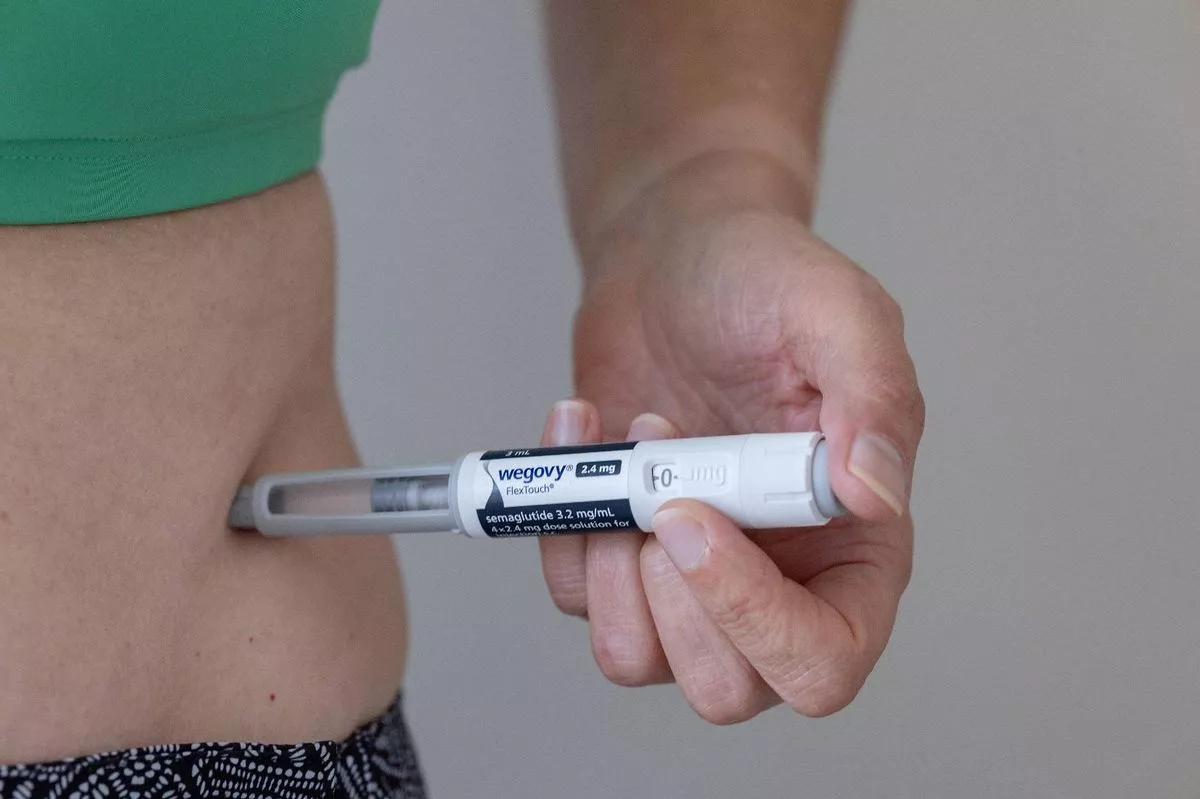
New reports confirm that approximately 2.5 million individuals in the UK are currently using weight loss medications like Mounjaro and Wegovy, originally designed for managing Type 2 diabetes. The usage has surged, with sales hitting 2.5 million in July alone—an astounding sevenfold increase compared to last year, according to data from The Telegraph.
Medical experts highlight that while these drugs visibly enhance figures, they also bring lesser-known side effects. Beyond traditional issues like nausea and constipation, many women report distressing alterations to the appearance of their labia and vulva due to rapid fat loss. Dr. Michael Tahery notes that the swift reduction in body fat can lead to sagging skin in the genital area, creating discomfort during everyday activities such as sitting or cycling.
Women are sharing their experiences online, with one Reddit user revealing, “My gynecologist told me my vulva is saggy and I will continue to experience pain unless I have surgery or fillers.” This sentiment reflects a growing trend; women are finding themselves in need of medical interventions that they had not anticipated when starting weight loss treatments.
Dr. Shazia Malik, a consultant gynecologist at The Portland Hospital, explains that “labia puffing” employs dermal fillers to restore volume to the labia majora, enhancing their appearance and comfort. She emphasizes that the demand for these procedures is not limited to those using weight loss injections, as many women seek to regain a youthful appearance post-pregnancy or due to aging.
Healthcare providers are witnessing a dramatic shift in patient needs. The rapid weight loss caused by these medications can have far-reaching implications, including heightened friction and sensitivity that turn regular activities into painful experiences. This unexpected consequence has driven women to seek corrective treatments at an increasing rate.
The emotional and physical impacts of these changes are profound. For many women, the loss of natural tissue leads to significant discomfort, prompting the need for interventions that can cost around $2,000 per treatment. As awareness grows, more women are likely to explore cosmetic options, highlighting an urgent and evolving aspect of weight loss drug side effects.
As this trend develops, it raises critical questions about the long-term effects of rapid weight loss treatments and their implications for women’s health. The surge in cosmetic procedures underscores the need for comprehensive discussions surrounding these medications and their broader impact on body image and intimate health.
With the landscape of weight loss drugs changing rapidly, women and healthcare providers alike must stay informed about these emerging challenges. The conversation around cosmetic adjustments and the effects of weight loss medications is just beginning, and the demand for solutions is expected to rise.
Stay tuned for further updates as this story continues to unfold.