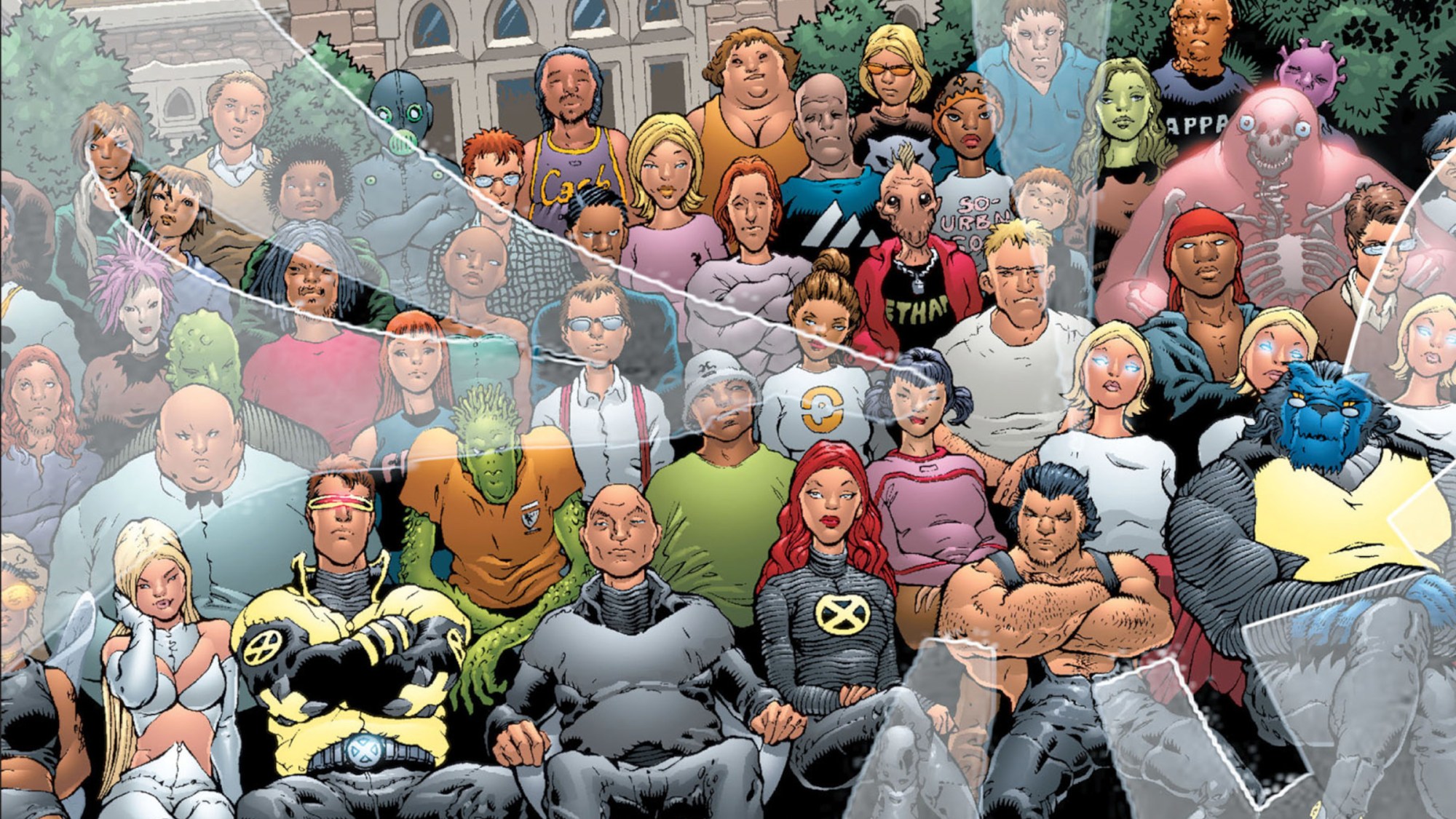
The 2000s marked a transformative decade for Marvel’s X-Men, showcasing a blend of innovative storytelling and pivotal character developments. Despite facing challenges, the X-Men comics of this era introduced several elements that would significantly impact the franchise and lay the groundwork for future narratives.
Redefining Relationships
One of the most notable shifts during this period was the relationship between Cyclops and Emma Frost. Traditionally, Cyclops was paired with Jean Grey, a dynamic that changed dramatically when Jean met her fate in *New X-Men* #150. The emergence of Cyclops and Emma as a couple not only altered the team’s interpersonal dynamics but also redefined Cyclops’ role as a leader. Their partnership showcased a new approach to mutant leadership, focusing on collaboration and mutual growth. This relationship became a cornerstone of the X-Men’s evolving narrative throughout the decade.
In contrast to previous romantic entanglements, Cyclops and Emma’s bond illustrated a more complex and strategic alliance, influencing the direction of the team and its mission. This development highlighted the potential for character growth and complexity within the X-Men universe.
The Resurgence of X-Factor
The revival of X-Factor under the guidance of writer Peter David was another significant highlight. Originally celebrated in the 1980s and 1990s, the series had been dormant for several years before David reimagined it as a mutant detective agency in the early 2000s. This transition allowed the characters, including Multiple Man, Wolfsbane, and Strong Guy, to navigate new and engaging storylines.
David’s narrative choices resonated with fans, as this fresh direction provided a platform for character-driven plots that combined humor and drama. The re-established X-Factor series is often regarded as one of the best iterations of the X-Men universe, thanks to its unique premise and engaging storytelling.
Shifting Locations and Story Arcs
The destruction of the X-Mansion in *X-Men* (Vol. 2) #200 marked a turning point in the X-Men’s history. The loss of their iconic base, following a battle with Mister Sinister and the Marauders, symbolized a profound change for the team. This event came at a time when the mutant population was already reeling from the repercussions of the *House of M* storyline, which greatly diminished their numbers and societal standing.
As the X-Men faced their new reality without a safe haven, the ensuing stories explored themes of survival and resilience. This shift added depth to the narratives, compelling characters to adapt to a world where they were increasingly vulnerable.
Astonishing X-Men and New Directions
The introduction of *Astonishing X-Men* (Vol. 3) represented a significant milestone for the franchise. Following the departure of Grant Morrison, the series was initially crafted by writer Joss Whedon and artist John Cassaday. Their 25-issue run became a bestseller, revitalizing interest in the X-Men and establishing a new flagship title for Marvel.
This series not only showcased exceptional storytelling but also allowed for collaborations between leading writers and artists, resulting in stories that pushed the boundaries of the X-Men mythos. The success of *Astonishing X-Men* had lasting implications, influencing subsequent story arcs and character developments.
Grant Morrison‘s *New X-Men* remains a defining run of the 21st century, showcasing innovative approaches to established character tropes. Morrison, alongside artists such as Frank Quitely and Phil Jimenez, transformed the X-Men’s narrative landscape, paving the way for future arcs like the Krakoa Era. This 40-issue series not only redefined the team’s identity but also established a framework for how stories would unfold in subsequent years.
The impact of the 2000s on X-Men comics cannot be overstated. From evolving relationships to significant shifts in narrative and structure, this decade laid the foundation for the enduring legacy of Marvel’s mutants. As fans reflect on this era, they recognize the complexities and innovations that continue to resonate within the X-Men universe today.