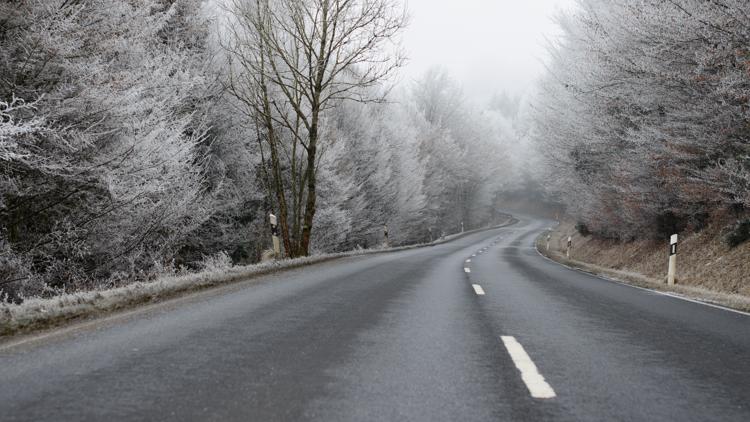
Black ice poses a significant danger to drivers every winter, often catching even the most seasoned motorists off guard. This thin layer of ice forms on the road’s surface, rendering it nearly invisible and leading to hazardous driving conditions. Understanding what black ice is and how to recognize it can help prevent accidents and improve road safety.
What is Black Ice?
Black ice, also referred to as invisible ice, is a thin layer of ice that forms when moisture freezes on road surfaces, creating a slick and treacherous layer. Unlike regular ice, which is typically white or frosted, black ice blends in with the asphalt, making it difficult to see. It commonly forms in shaded areas, bridges, and overpasses, where temperatures can drop quickly.
According to the National Weather Service, black ice often develops overnight or during the early morning hours when temperatures dip. As a result, drivers may not be aware of the dangerous conditions until it is too late. Recognizing the signs of black ice is essential for ensuring safety on the roads during winter months.
How to Identify and Navigate Black Ice
Identifying black ice requires vigilance. Drivers should be on the lookout for specific indicators that may suggest its presence. For example, if the road appears shiny or wet but the weather has been cold, it could be a sign of black ice. Additionally, drivers should exercise caution on bridges and shaded areas, as these locations are more likely to experience freezing temperatures.
When approaching potentially icy conditions, it is critical to reduce speed and maintain a safe following distance. Sudden movements can lead to loss of control, so steering gently and avoiding hard braking is advisable. In the event of skidding, drivers should steer in the direction they want the front of the vehicle to go and avoid overcorrecting.
The Traffic Safety Organization highlights that understanding how to react in these conditions can significantly reduce the risk of accidents. Each year, thousands of road incidents are attributed to icy conditions, underscoring the importance of awareness and preparedness.
While black ice is a well-known winter hazard in countries like the United States, Canada, and the United Kingdom, it can occur anywhere that temperatures drop below freezing. Drivers should remain informed about local weather conditions and heed any warnings issued by traffic authorities.
In summary, black ice presents a hidden danger during the winter season, impacting road safety for all drivers. By recognizing the signs and understanding how to navigate these conditions, motorists can take proactive steps to ensure their safety on the roads. Awareness, preparation, and caution are essential tools for combating this deceptive winter hazard.