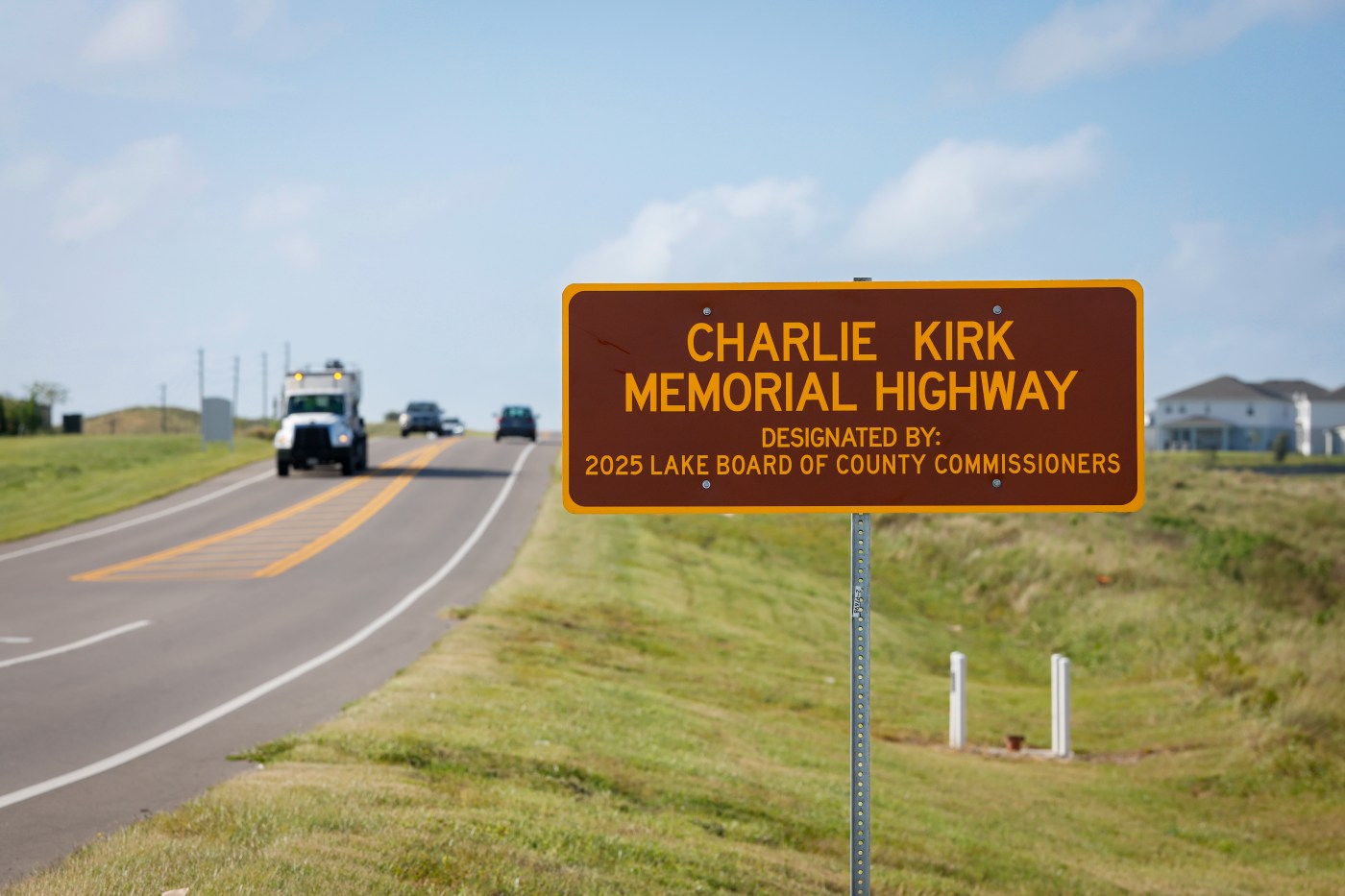
A bill currently moving through the Florida Legislature seeks to establish an annual “Day of Remembrance” on October 14, the birthday of conservative activist Charlie Kirk. The proposal has already passed a Senate committee with a party-line vote of 5 to 2. While the intention behind the recognition is to honor free speech, critics argue that this effort overlooks many civil rights figures with substantial ties to Florida.
Charlie Kirk, the 31-year-old founder of Turning Point USA, was shot during a speech to university students in Utah three months ago. Although his tragic death has drawn sympathy, the choice to commemorate him raises significant concerns. Many of his views, including disparaging remarks about civil rights leader Martin Luther King Jr. and controversial statements regarding gun control and gender roles, have sparked backlash and alienated various communities.
While free speech is a cornerstone of American democracy, the Florida Legislature is urged to consider the broader implications of honoring an individual whose views have been divisive. The legislation appears to favor one perspective, neglecting other influential figures in the struggle for civil rights within the state.
Overlooked Civil Rights Heroes
One notable figure who remains unrecognized in this discourse is Harry T. Moore, a key civil rights pioneer in Florida. Moore was murdered in 1951 when a bomb planted by the Ku Klux Klan destroyed his home in Mims, Florida. As an NAACP field secretary, he fought for equal pay for Black teachers and worked tirelessly to increase Black voter registration in the state.
Moore’s dedication to civil rights included initiating a movement to overturn the wrongful convictions of four Black men in the infamous Groveland rape case. Despite his significant contributions, Moore and his wife, Harriette, who died from injuries sustained in the bombing, often go unmentioned in discussions of civil rights martyrs.
Florida’s proposed commemoration of Kirk stands in stark contrast to the legacy of figures like Moore, who fought for justice and equality. Their stories illustrate the depth of sacrifice in the civil rights movement, yet they are frequently overshadowed by more contemporary narratives.
Broader Context of Civil Rights
In addition to Moore, many others deserve recognition for their sacrifices in the name of civil rights. Andrew Goodman, James Earl Chaney, and Michael Schwerner were young civil rights volunteers who were kidnapped and murdered by the Ku Klux Klan in Mississippi in 1964 while working to register Black voters. Their tragic fate highlights the dangers faced by those advocating for equality.
Another prominent figure, Medgar Evers, was assassinated in 1963 for his activism in Mississippi. It took decades for justice to be served in his case, illustrating the long road to accountability for those who commit violence against civil rights advocates.
The proposal to honor Kirk, who has no significant connections to Florida’s civil rights history, raises questions about the criteria for memorialization. Commemorating a single individual risks minimizing the collective struggles of numerous martyrs who have significantly impacted civil rights.
As Florida moves forward with this legislation, it is essential to consider a more inclusive approach to remembrance that honors the many individuals who fought for freedom and equality. A comprehensive Day of Remembrance should encompass a broader spectrum of voices and experiences, reflecting the diverse history of civil rights in the state and the nation.
The ongoing debate surrounding this proposed legislation highlights the complexities of honoring free speech while also acknowledging the painful histories and sacrifices of those who have fought for justice. Balancing these narratives is crucial for fostering a more comprehensive understanding of civil rights in America.