Tennessee has taken a significant step in regulating online gaming by issuing a cease-and-desist order to 40 social casinos. The state’s Attorney General, Jonathan Skrmetti, argues that these platforms have been operating without the necessary licenses required for gaming activities. This move highlights the ongoing tension between state regulators and the social casino sector, which has been increasingly scrutinized for its practices.
On December 29, 2023, Skrmetti’s office sent out the cease-and-desist letters, asserting that these online sweepstakes casinos are not compliant with state gaming laws. While Tennessee has not enacted a complete ban on social casinos, this action effectively eliminates a large portion of operators in the state. In a parallel development, New York has recently implemented a total ban on sweepstakes casinos, reflecting a growing trend among states to crack down on this area of online gaming.
Critics have long claimed that social casinos exploit the “sweepstakes” model to bypass established gaming regulations. According to a study by the American Gaming Association, a significant majority of players engage with these casinos with the intention of winning real money. Players can cash out winnings in a form of currency supported by these platforms, which raises questions about the legitimacy of their operations. The cease-and-desist letters emphasize that the expectations of players do not align with the stated purpose of these casinos.
Despite claims from operators that their sweepstakes are not subject to gaming laws, this assertion is facing increasing scrutiny from state regulators and public prosecutors. The use of dual-use currency, a common feature in these casinos, is viewed as a strategy to introduce casino-style games to the general public without the protections typically offered by legitimate casinos. This sentiment has been echoed by various watchdogs, who argue that the lack of regulation allows for potentially exploitative practices.
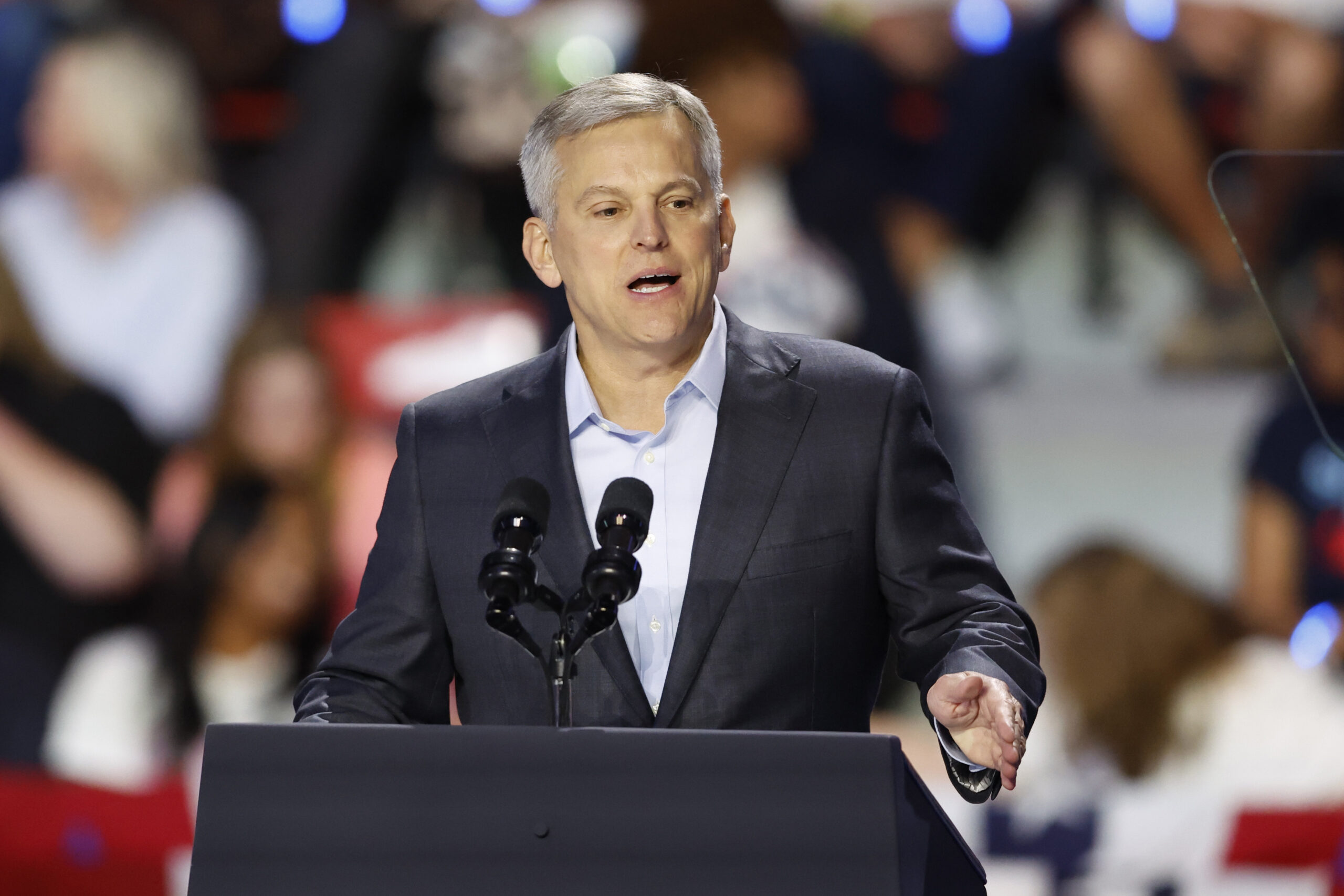
The social casino industry, represented by the Social Gaming Leadership Alliance (SGLA), contends that there is a historical precedent for sweepstakes operations that validates their business model. However, Skrmetti remains unconvinced. He stated, “The only thing you can be sure about with an online sweepstakes casino is that it’s going to take your money. They work hard to make these sweepstakes casinos look legitimate, but at the end of the day, they are not. They avoid any oversight that could ensure honesty or fairness. Our Office was glad to chase these shady operations out of Tennessee and will keep working to protect Tennesseans from illegal gambling.”
Among the platforms targeted in the shutdown are well-known names such as WOW Vegas, High 5 Casino, Global Poker, and Zula Casino. The crackdown in Tennessee mirrors similar legislative efforts in other states, including a recent proposal in Indiana aimed at outlawing sweepstakes casinos altogether. As opposition to this sector continues to mount, the future of social casinos in the United States appears increasingly uncertain.
The recent actions by Tennessee’s Attorney General signal a broader movement toward stricter regulation of online gaming, as states seek to protect consumers and ensure fair play within the industry.