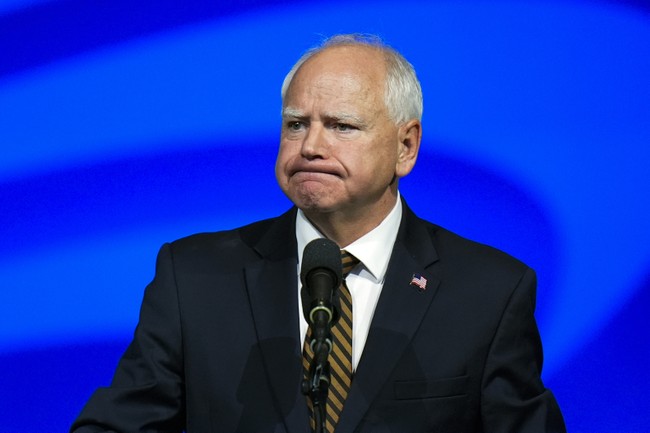
Minnesota Governor Tim Walz articulated his vision for the state’s future in 2022, emphasizing the importance of Somali refugees as key contributors to Minnesota’s economy and cultural landscape. During a public address, Walz stated, “We have more refugees per capita than any other state. That’s not just morally a good thing, it’s our economic and cultural future.” His remarks reflect a broader dialogue about the role of immigration in shaping community dynamics and economic growth.
The governor’s comments highlighted the diversity within Minnesota’s schools, where over 50 languages are reportedly spoken. While Walz positioned this linguistic variety as an asset, critics argue that such diversity could lead to communication barriers among students. Concerns have been raised about the ability of children to connect and thrive in an environment where multiple languages dominate.
Critics of Walz’s stance suggest that this focus on refugee integration may overlook the existing cultural fabric of Minnesota. Some have expressed apprehension that prioritizing the influx of refugees could lead to a dilution of the state’s traditional values and practices. This sentiment has sparked discussions about the balance between welcoming newcomers and preserving local identity.
As discussions continue, some voices in the political landscape have questioned Walz’s qualifications for leadership. Notably, it has been reported that he does not own property or stocks, raising concerns about his understanding of economic management. Such claims have fueled debates about the governance of Minnesota, with opponents labeling him as ineffective and potentially corrupt.
The implications of these views extend beyond state lines, as observers speculate on the potential impact of Walz’s policies on national immigration discussions. His past remarks have led to speculation regarding his alignment with broader Democratic strategies, particularly during the presidential election cycle.
In light of these controversies, the governor’s statements about refugees and their role within Minnesota’s future will likely remain a focal point in political discussions. As the state navigates its demographic changes, the balance between embracing diversity and maintaining a cohesive community will be crucial in shaping the narrative moving forward.
The evolving situation underscores the need for constructive dialogue about immigration, cultural integration, and economic viability, ensuring that all voices in Minnesota are heard as the state moves into an uncertain future.