The economic landscape heading into 2026 appears to be a continuation of the challenges observed in 2025, with sluggish hiring, disruptions from artificial intelligence, and persistent inflation expected to dominate the narrative. As the year draws to a close, these ongoing issues are likely to intensify public frustration, particularly regarding living costs, which could influence voter sentiment in the upcoming midterm elections.
Current Economic Snapshot
Recent government data has painted a mixed picture of the economy. Although the Gross Domestic Product (GDP) grew at a robust annual rate of 4.3 percent in the third quarter, the highest rate in two years, underlying vulnerabilities remain. Strong consumer spending and exports contributed positively, but a decline in residential and business investment raises concerns about sustainability.
Unemployment has edged up to 4.6 percent as of November, reflecting a rise not seen since 2021. While layoffs have not surged, the influx of job seekers has contributed to this increase. Jerome Powell, Chair of the Federal Reserve, has expressed cautious optimism, suggesting that the jobless rate may stabilize without a significant downturn in employment.
Labor Market Dynamics
The labor market continues to show signs of sluggishness, with employers adding over a million fewer jobs in the first eleven months of 2025 compared to the previous year. Despite GDP growth being near sustainable levels, the labor market remains tight. Economists indicate that the probability of a recession is relatively low, currently estimated at 30 percent, down from 40 percent following the implementation of tariffs in April.
According to Boston College economist Brian Bethune, while the GDP growth figure appears promising, it conceals troubling signs that indicate a fragile economy. Wage growth has begun to ease, and households are saving less, which suggests that inflation is outpacing income growth.
Impact of Artificial Intelligence
The rapid advancement of artificial intelligence (AI) presents both opportunities and uncertainties for the economy. AI technologies, including platforms like ChatGPT and Google Gemini, have enhanced productivity and accelerated adoption across various sectors. However, this evolution comes with concerns about significant job losses.
Research from Goldman Sachs indicates that while AI adoption may lead to job reductions, the overall impact on employment levels might be modest and temporary. Conversely, Dario Amodei, CEO of AI company Anthropic, has warned that AI could eliminate up to half of all entry-level white-collar jobs, potentially pushing unemployment rates to between 10 and 20 percent within five years if proactive measures are not taken.
Trade Policies and Inflation
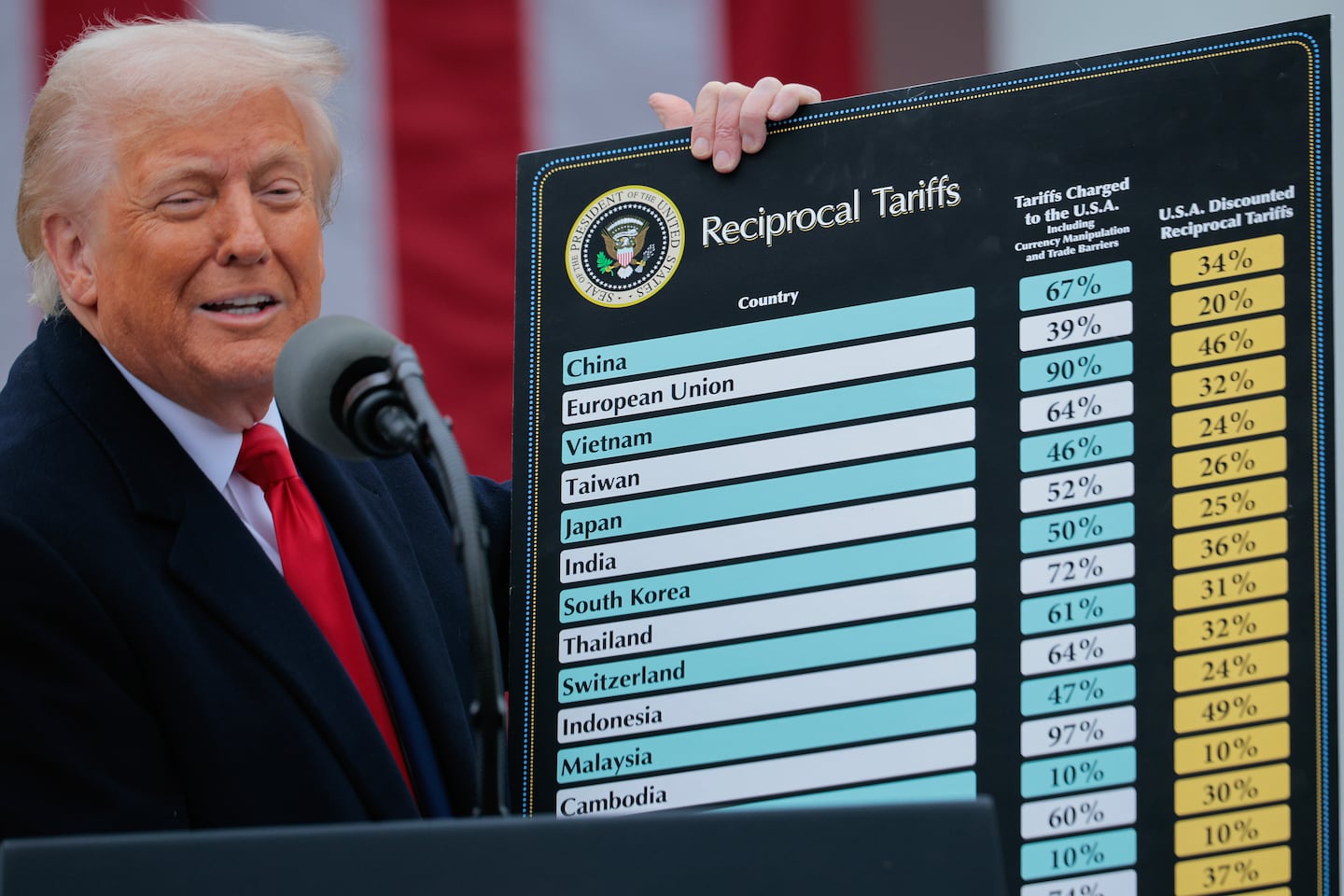
Economic challenges are further compounded by the ongoing effects of trade policies. Despite initial concerns that tariffs implemented under President Donald Trump would exacerbate inflation or lead to recession, these fears have not fully materialized. Some tariffs have been postponed or reduced, allowing businesses to adjust while absorbing increased costs.
Looking ahead to 2026, tariffs are expected to act as a modest drag on GDP growth, with projections suggesting a decrease to 1.3 percent growth in the fourth quarter of 2026, down from 1.7 percent in 2025. The Conference Board anticipates that tariffs will contribute to sustained inflation, as businesses pass on elevated costs to consumers. The Federal Reserve has indicated that its preferred inflation measure could rise by 2.6 percent next year, slightly above its target of 2 percent.
As the economic landscape evolves, the combination of a weak labor market, AI disruption, and tariff-related challenges may lead to growing public dissatisfaction. This discontent could manifest in the upcoming midterm elections, potentially resulting in significant political ramifications for the ruling party.
In summary, while the outlook for 2026 does not suggest an imminent recession, the persistent issues of inflation and job market stagnation may leave many Americans feeling frustrated. As one expert aptly noted, “The pessimists have just been wrong for so long that people are kind of tired of that schtick.” With no forecasts predicting a market decline, the focus will remain on navigating these ongoing challenges while striving for economic stability.