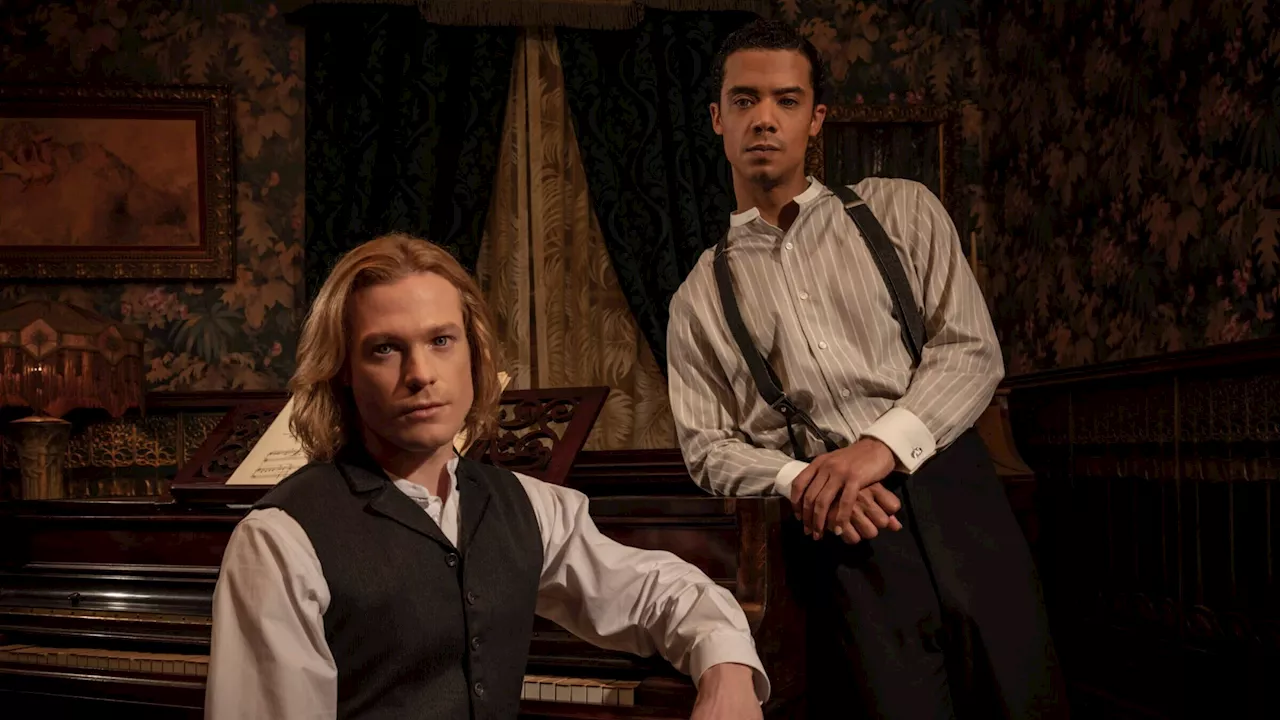
AMC’s adaptation of Interview With the Vampire has garnered significant attention as it prepares for its third season in 2026. The series, which premiered in 2022, showcases exceptional performances, particularly from Sam Reid and Jacob Anderson. While many viewers and critics commend its high production quality and acting prowess, the series has also faced scrutiny for its departures from Anne Rice‘s original novels.
As a retelling of the intricate story surrounding Louis de Pointe du Lac and his tumultuous relationship with Lestat de Lioncourt, the series offers a fresh perspective, reimagining Louis as a queer Black man in early 20th-century New Orleans. This shift not only modernizes the narrative but also aligns it with contemporary themes of identity and race.
Despite these positive changes, many fans express concern that the series strays too far from its source material. Critics argue that the adaptation is less of a direct interpretation and more of a creation inspired by Rice’s work. The portrayal of Louis, in particular, emphasizes his internal struggles with self-acceptance and sexuality, overshadowing the existential themes of faith and morality that permeate Rice’s novels.
Character Misunderstandings and Narrative Shifts
In the series, Louis grapples with self-hatred and racial identity, particularly following the death of his brother, Paul. While this portrayal captures a significant aspect of his character, it diverges from the profound philosophical inquiries present in the original text. In Rice’s novels, Louis’s torment stems from a deep existential crisis, questioning God and morality amid his vampiric existence.
This shift in focus alters the dynamics of Louis’s relationship with Lestat. The series presents Lestat as a more exaggerated villain, characterized by his narcissism and controlling nature. While the novels depict him as a complex figure, the show often leans into a caricature, diminishing the depth and nuance of their interactions. The series tends to emphasize physical expressions of queer sexuality, overshadowing the intricate emotional and philosophical layers that define their bond in the original works.
As the narrative transitions into its third season, which will adapt elements from Rice’s second book, fans are particularly concerned about how new characters will be interpreted. The introduction of Gabrielle, Lestat’s mother, already raises eyebrows. Showrunner Rolin Jones has indicated a shift from Gabrielle to Gabriella, which he frames as a move to introduce “feminine vampiric blood.” This decision has sparked debate among fans regarding the potential loss of Gabrielle’s unique identity, which, in the novels, is deeply tied to themes of gender fluidity and personal expression.
The Balance of Adaptation and Originality
While adaptations often necessitate changes to fit the screen, critics argue that AMC’s version may have sacrificed crucial elements of Rice’s narrative integrity. The alterations to Louis’s character and the ensuing ripple effects on other figures in the story have led to a portrayal that some describe as “fan-fiction” rather than a faithful adaptation.
AMC’s Interview With the Vampire stands as a testament to high-quality television and engaging storytelling. Yet, as the series progresses, it raises important questions about the fidelity of adaptations and the essence of the source material. With Season 3 on the horizon, fans hope for a more nuanced approach, particularly in the representation of Lestat’s story and the character of Gabrielle. Balancing innovation with respect for Rice’s legacy will be crucial in determining the series’ lasting impact on the beloved vampire saga.