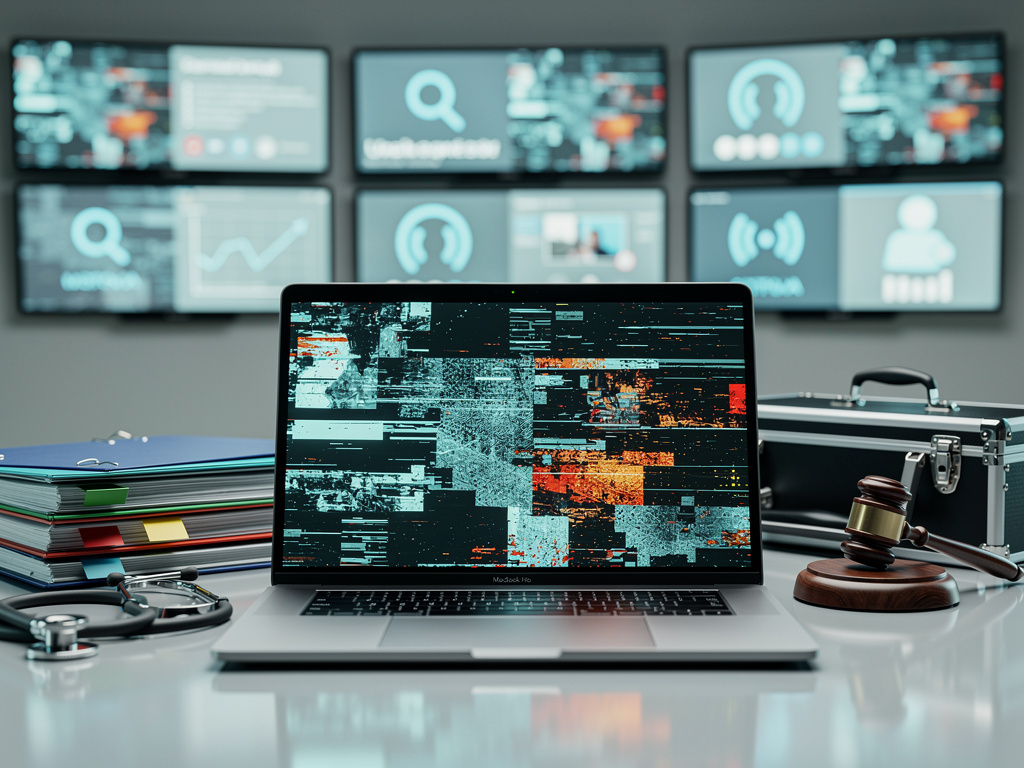
In a significant study published in the journal Nature, researchers from Cornell University have uncovered that glitches during video calls, such as audio delays and visual freezes, can lead to decreased trust and biased decision-making. This phenomenon, referred to as “uncanniness,” affects perceptions in various high-stakes environments, including job interviews, healthcare consultations, and legal proceedings.
The research involved experiments that demonstrated how even minor disruptions in video communication can trigger a sense of discomfort among participants. Those who experienced glitches rated others as significantly less trustworthy and competent. In simulated job interviews, candidates with poor connectivity were 20% less likely to receive favorable hiring recommendations, despite identical responses in content.
Real-World Consequences in Employment and Justice
The implications of these findings extend beyond the laboratory. Archival data from real-world video calls, including parole hearings, revealed that inmates who appeared via glitchy video faced a 15% lower chance of release. This correlation raises concerns about the fairness of digital interactions, particularly for individuals from areas with unreliable internet access.
Malia Mason, a professor at Columbia Business School, noted, “We’ve long known that nonverbal cues matter in face-to-face meetings, but video introduces artificial distortions that our brains interpret as deception.” The study highlights the urgent need to address these biases, especially as platforms like Zoom and Microsoft Teams become integral to telemedicine and virtual court appearances.
In the realm of healthcare, video call glitches can lead to misdiagnoses, as doctors may perceive glitchy patients as unreliable. In simulations, providers were 18% more likely to disregard patient concerns when faced with technical issues, impacting the quality of care provided.
Addressing Systemic Biases and Technological Solutions
The research also emphasizes how marginalized groups are disproportionately affected by these biases. Low-bandwidth users in rural or economically disadvantaged areas often experience higher glitch rates, which can hinder their opportunities in both job markets and educational settings. A report from PubMed stresses that connectivity issues should not dictate the quality of life outcomes.
As the digital divide continues to widen, industry experts are responding to the challenges posed by video call glitches. Companies are implementing measures to minimize disruptions. For instance, Zoom has invested in AI-driven error correction technologies aimed at improving video quality in real-time. Similarly, Microsoft Teams has introduced features such as “glitch detection alerts” to inform users of potential issues before calls.
Despite these efforts, experts like Mason argue that technological fixes alone may not eliminate subconscious biases. The research calls for redesigned interfaces that reduce visual disruptions and enhance user experience.
In light of these findings, policymakers are beginning to consider regulations. The European Union’s proposals under the Digital Services Act aim to set standards for minimizing glitches in official proceedings, while U.S. lawmakers are exploring measures to ensure equitable telehealth reimbursement practices.
As remote work solidifies its role in corporate culture, the importance of addressing video call glitches becomes increasingly critical. Companies and institutions must consider how these technical flaws can affect evaluations and decisions. The need for public awareness campaigns is evident, as users are encouraged to optimize their setups to mitigate the impacts of poor connectivity.
This research sheds light on a crucial aspect of our digital communication landscape: the imperfections of technology can reflect our own vulnerabilities. By confronting the issue of uncanniness, stakeholders can work towards creating more equitable digital environments, ensuring that a bad connection does not derail opportunities and outcomes.