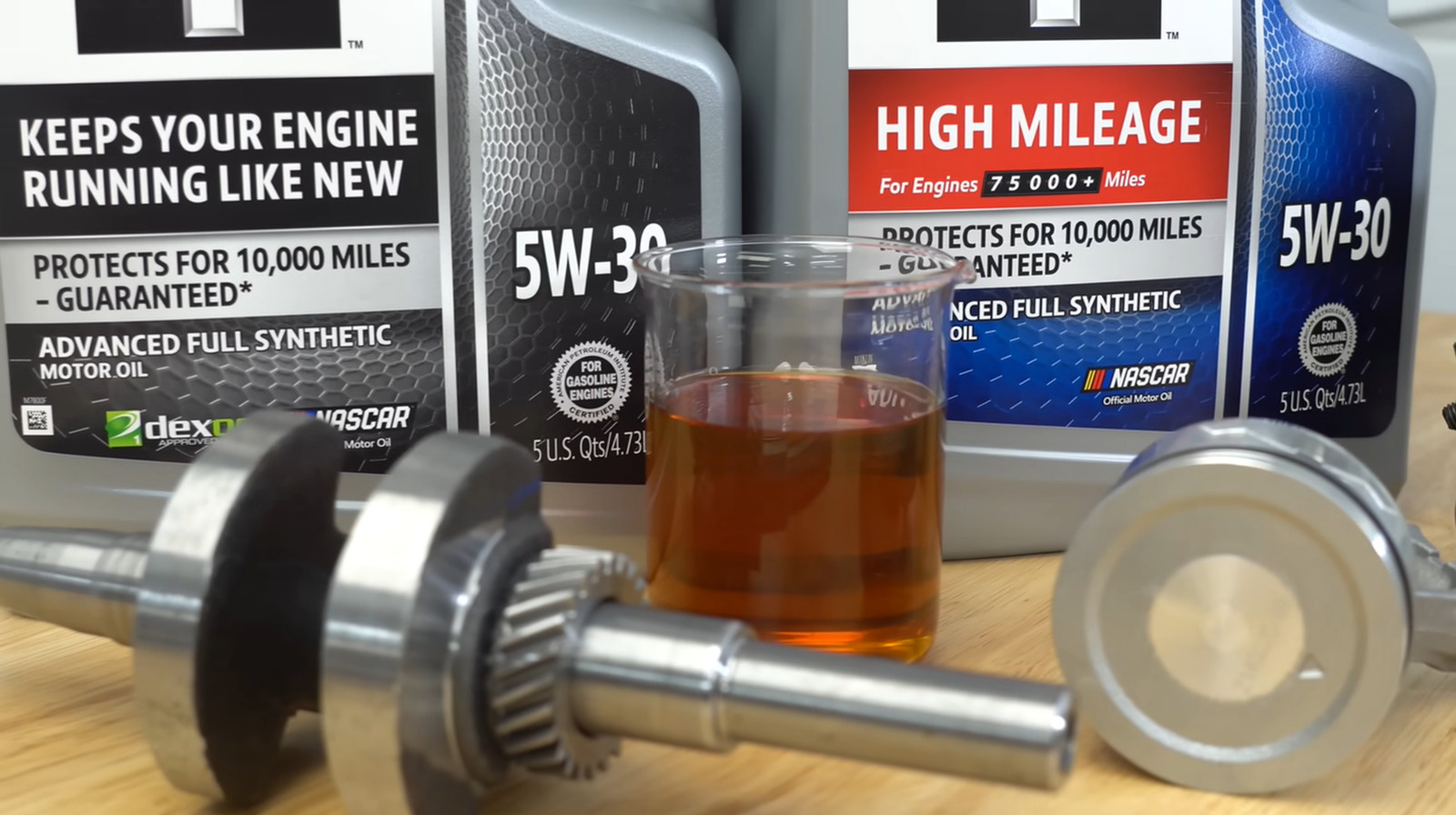
Choosing the right engine oil is essential for maintaining vehicle performance. The decision between full synthetic and high-mileage oil hinges on understanding the unique needs of your engine rather than simply seeking the “best” product. As engines accumulate miles, the focus shifts from achieving peak performance to effectively managing wear.
Full synthetic oil consists of chemically-engineered base stocks, with polyalphaolefins being the most common. This type of oil remains fluid during cold starts, provides consistent lubrication under stress, and holds its viscosity longer when temperatures rise. It also minimizes sludge formation, allowing for extended oil change intervals. For many modern engines, particularly those that are turbocharged or high-output, manufacturers recommend full synthetic oil from the outset.
In contrast, high-mileage oil is not categorically different; it is also made from base stocks but includes various additive packages. Typically formulated for vehicles with more than 75,000 miles, high-mileage oil contains special additives such as seal conditioners and detergents. These components aim to compensate for wear in aging engines, focusing on stabilization rather than performance.
Understanding the Differences and Trade-offs
The primary distinction between full synthetic and high-mileage oil lies in their intended purposes. Full synthetic oil prioritizes superior wear protection, longer intervals between oil changes, and consistent lubrication even under extreme conditions. It excels in both hot and cold temperature performance, while high-mileage oil is tailored for older vehicles that may struggle with these conditions.
While full synthetic oil maintains its viscosity longer and produces fewer deposits, high-mileage oil serves a different function. It effectively reduces oil consumption in worn engines, utilizing its additives to enhance sealing and slow wear. Although it can be beneficial, high-mileage oil does not address existing mechanical damage.
Cost considerations also play a significant role in this decision. Full synthetic oil changes typically incur a higher service cost, ranging from an additional $15 to $25 per service. However, the longevity of full synthetic oil often offsets these initial expenses over time. High-mileage oil usually costs more than conventional oil but less than full synthetic options. Ultimately, the overall cost may balance out depending on driving habits and maintenance frequency.
Making the Right Oil Choice
Deciding between full synthetic and high-mileage oil should be based on the condition of your engine rather than merely mileage. A well-maintained vehicle that does not exhibit signs of oil burning may benefit more from full synthetic oil, while a vehicle with 50,000 miles showing leaks or consumption issues could genuinely benefit from high-mileage oil sooner than anticipated.
Using the “wrong” oil may not result in immediate damage; however, it could accelerate wear or lead to unnecessary expenses. For instance, using high-mileage oil in a healthy engine may yield no significant benefits, while mixing the two types can dilute the effectiveness of the high-mileage oil’s additives.
The best approach is straightforward: always consult your vehicle’s owner’s manual first and adjust based on your engine’s specific symptoms. Signs such as oil leaks, high consumption, and rough cold starts may indicate that high-mileage oil is advisable. Conversely, a clean operation, extended oil change intervals, and improved fuel economy suggest that full synthetic oil is the better choice.
Ultimately, oil selection is not merely a matter of preference; it is a maintenance strategy that reflects the current state of your engine. When preparing for your next oil change, select the oil that aligns with your engine’s needs and ensures its longevity.