CAPE CANAVERAL, Fla. — The year 2026 is set to be a remarkable time for astronomy enthusiasts, featuring significant lunar missions and captivating celestial events. The moon and sun will take center stage, with astronauts returning to the lunar surface for the first time in over 50 years and a series of spectacular eclipses.
Astronauts will embark on a historic lunar mission early in the year. Commander Reid Wiseman of NASA’s Artemis program expressed optimism that his team will explore vast regions of the moon’s far side that were overlooked during the Apollo missions. Their 10-day journey will involve a flyby of the moon, with no moonwalk planned, as that feat is reserved for future Artemis crews.
In addition to human exploration, a variety of robotic missions are on the agenda. Jeff Bezos‘s Blue Origin plans to launch a prototype of its lunar lander, Blue Moon, which will stand at 26 feet (8 meters) tall, surpassing the height of the landers used in the Apollo missions. Other companies, including Astrobotic Technology and Intuitive Machines, are also targeting lunar landings in 2026, with specific aims to deploy scientific instruments and explore the moon’s resources.
Celestial Events to Watch for in 2026
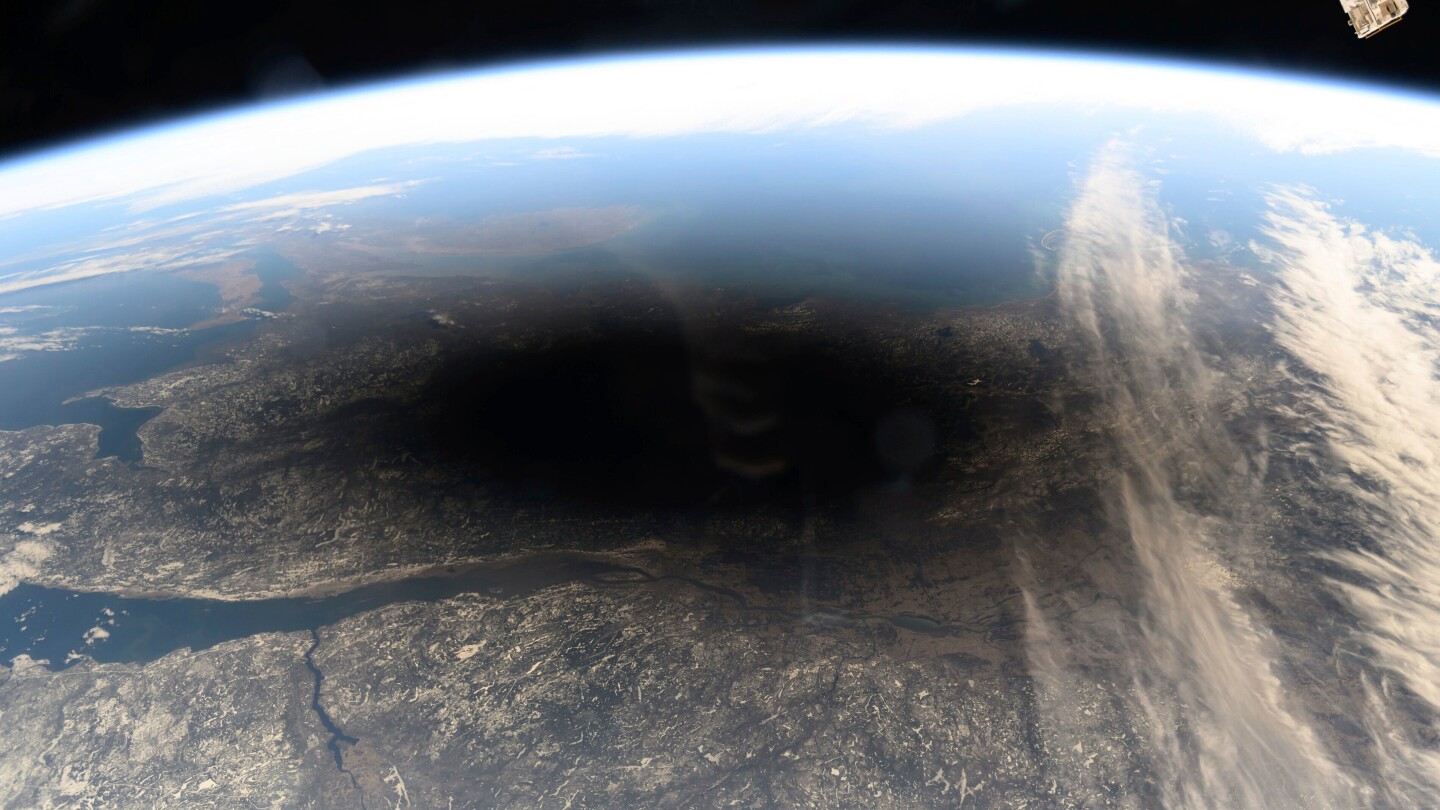
The astronomical calendar for 2026 is packed with exciting events. A total solar eclipse on August 12 will traverse the Arctic, passing over regions including Greenland, Iceland, and Spain. This spectacular event will see the moon completely obstruct the sun for a duration of two minutes and 18 seconds. This will be a precursor to an even longer total solar eclipse expected in 2027.
Earlier in the year, a ring-of-fire eclipse will occur on February 17, visible primarily from the Antarctic, with partial views available in South Africa and southern Chile and Argentina. Following this, a total lunar eclipse will light up the skies two weeks later, wrapping up with a partial lunar eclipse at the end of August.
Astronomy enthusiasts can also anticipate a planetary parade around February 28, featuring six of the solar system’s eight planets. Mercury, Venus, Jupiter, and Saturn will be visible shortly after sunset, while Uranus and Neptune will require binoculars for viewing. Mars will not participate in this display but will rejoin in August for another planetary alignment.
Highlighting the Supermoons and Auroras
Three supermoons will grace the night sky in 2026, delivering a stunning visual experience as the full moon comes closer to Earth than usual. The first supermoon will occur on January 3, coinciding with a meteor shower, although the bright moonlight may obscure some of the meteors. The subsequent supermoons will appear on November 24 and again on December 23, with the latter being particularly special as it will pass within 221,668 miles (356,740 kilometers) of Earth.
The sun’s activity is expected to ramp up in 2026, potentially leading to increased auroras visible in various regions. Solar eruptions could cause geomagnetic storms, creating vibrant displays of northern and southern lights. While such phenomena may not occur as frequently as in recent years due to the solar cycle’s natural ebb, space weather forecasters are eager to utilize data from new observatories to enhance their understanding of solar dynamics.
As Paul Chodas of NASA noted, the ongoing advancements in technology will likely increase the chances of discovering more interstellar visitors, following the recently identified comet 3I/Atlas, which is currently fading after its close passage to Earth last December.
Overall, 2026 is shaping up to be a thrilling year for those captivated by the cosmos, with a blend of human exploration and breathtaking celestial events set to inspire awe and fascination.