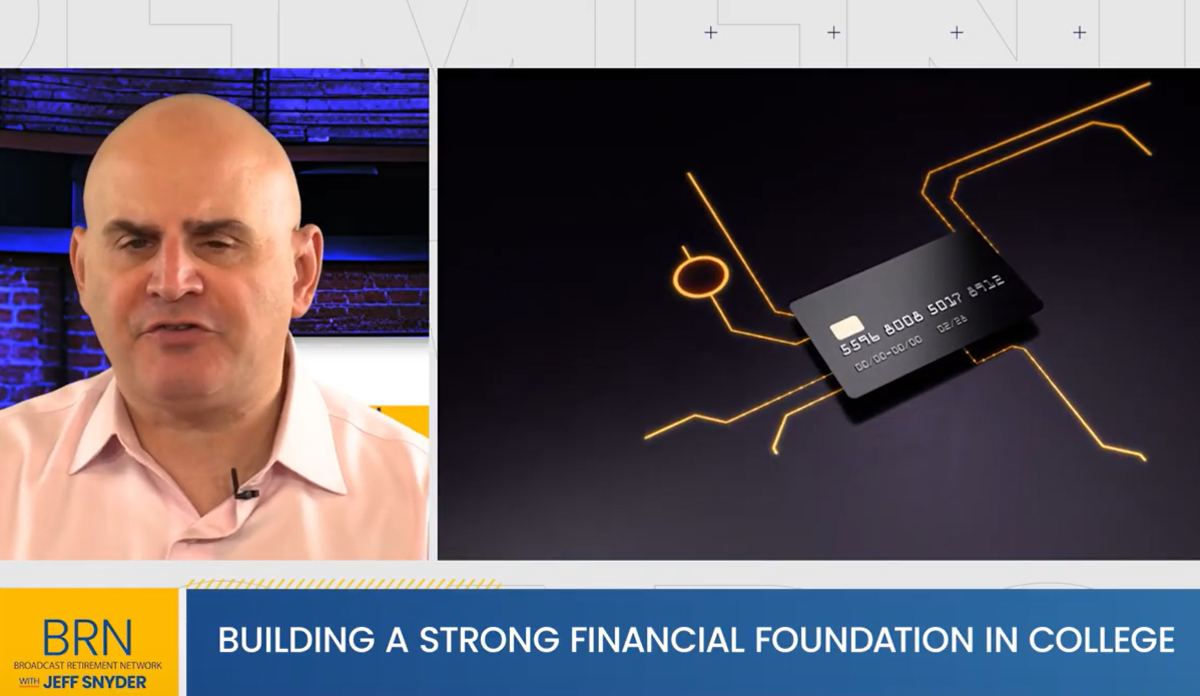
In a recent discussion on the Broadcast Retirement Network, financial experts highlighted the importance of establishing a strong financial foundation while in college. Jeffrey Snyder hosted Ted Rossman from Bankrate, who shared insights from his article on financial education for students. The conversation emphasized practical steps that young adults can take to secure their financial futures.
Starting early in financial education can lead to significant long-term benefits. Rossman pointed out that understanding compound interest is crucial for students. He quoted Albert Einstein, calling it the “eighth wonder of the world.” Those who grasp how to earn from compound interest can build wealth, while those who do not often incur high costs, particularly from credit card debts that can exceed 20% annually.
For instance, if a student invests $1 at an average return of 10%, it can grow to $45 by the time they reach 60. Rossman encouraged students to begin forming good investment habits as early as possible.
Building credit is another vital aspect of financial literacy. Rossman advised students to consider becoming authorized users on their parents’ credit cards. This strategy allows them to benefit from their parents’ positive credit histories, which can significantly enhance their own credit scores. He also mentioned programs like Experian Boost, which can help students include certain payments, such as rent and utility bills, into their credit profiles.
When it comes to banking, choosing the right accounts is essential. Rossman noted that many college students might find their hometown banks do not meet their needs at school. High fees can accumulate quickly, with out-of-network ATM fees reaching $5 per transaction. Students should seek accounts that offer fee waivers or student-friendly options, potentially at local credit unions or community banks.
Additionally, he highlighted the importance of managing expenses wisely. “The essence of personal finance is living on less than you make,” Rossman stated. He encouraged students to avoid frivolous spending and to be cautious with credit cards, which can lead to debt if mismanaged.
Lastly, Rossman discussed the growing trend of side hustles among college students. Approximately one-third of adults in the U.S. engage in side jobs, a figure that rises to around 50% for Gen Z individuals. These opportunities not only provide extra income but also allow students to gain valuable skills and experience that can benefit their long-term careers.
Rossman concluded by urging students to pursue side jobs that align with their passions, as these experiences can enhance their resumes and provide networking opportunities, setting a strong foundation for their future careers.
The conversation left viewers with practical advice on financial literacy, emphasizing that the steps taken during college can have lasting impacts on financial health. As students navigate their academic journeys, understanding finance can pave the way for a secure and prosperous future.