On January 21, 2025, President Donald Trump issued a sweeping executive order aimed at dismantling diversity, equity, and inclusion (DEI) programs across both public and private sectors in the United States. Following this directive, numerous institutions in the Pioneer Valley of Western Massachusetts began to revise their commitments to DEI, reflecting a significant shift in their public messaging.
The changes come in the wake of an intensified political climate and increased scrutiny from the federal government regarding funding and compliance with new administration policies. As a result, several educational and nonprofit organizations have removed or softened statements that previously highlighted their commitments to diversity and racial equity.
Impact of Federal Directives on Local Organizations
In the aftermath of Trump’s executive order, many institutions faced a difficult decision: maintain their DEI commitments and risk potential funding cuts or align their messaging with the new federal guidelines. The Department of Education sent letters warning that schools could lose federal funding if they continued to promote what the administration deemed discriminatory practices.
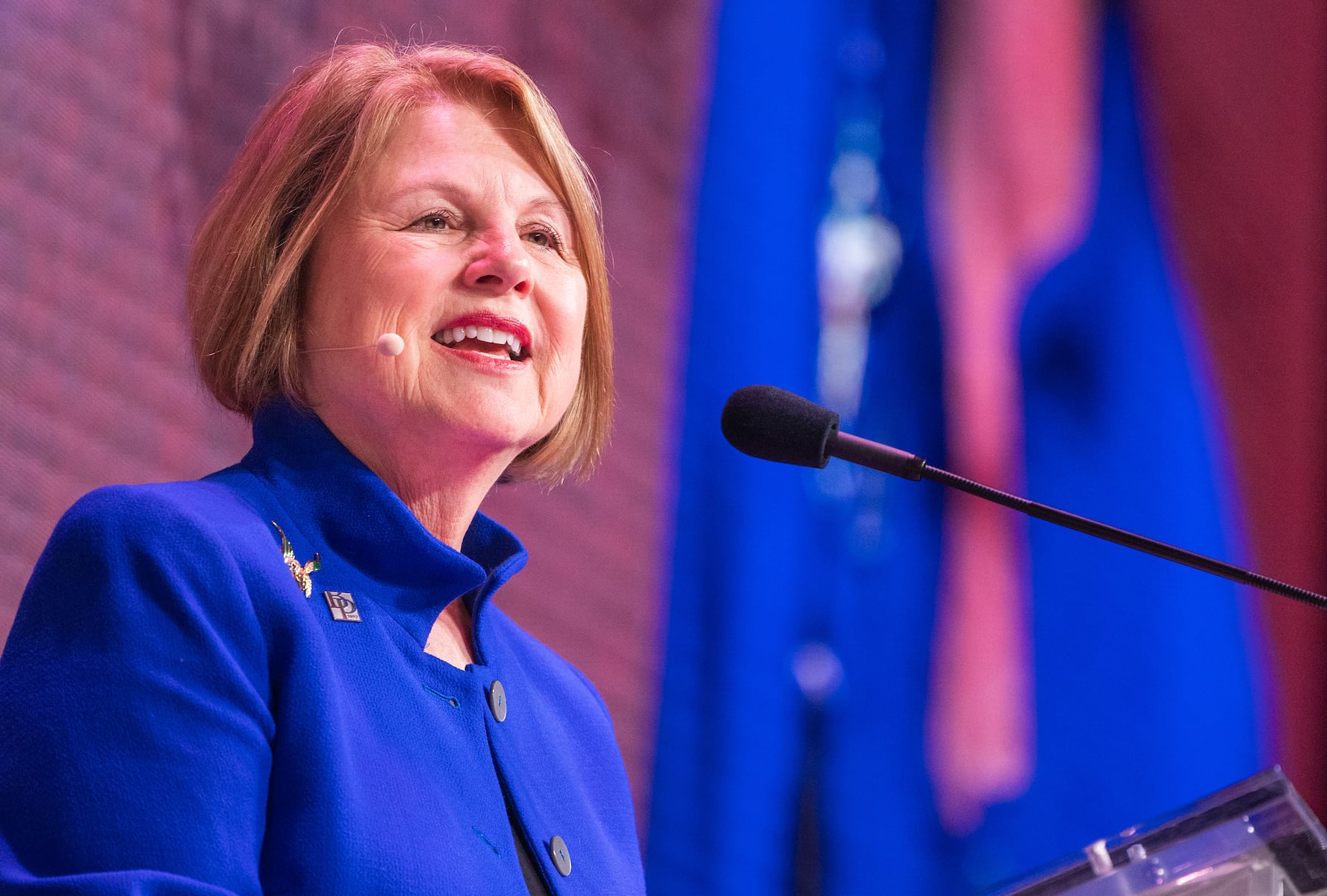
For example, Bay Path University, located in Longmeadow, removed key phrases from its mission statement, including “Diversity Makes Us Stronger” and “We Are Committed to Equity.” Previously, the university emphasized its responsibility to address systemic inequities affecting communities of color. After revising its language, Kathleen Wroblewski, Bay Path’s senior director of communications, explained that the changes were made to protect vital federal funding for students, many of whom rely on Pell grants for educational access.
Bishop Talbert W. Swan II, president of the Greater Springfield NAACP, noted the pressures faced by these institutions. “While we would like for them to stand strong and resist, we understand they have a constituency to serve with funds from taxpayer dollars,” he stated. This sentiment reflects a broader concern among organizations about the consequences of noncompliance with federal mandates.
Shifts in Mission Statements Across the Region
The trend of revising DEI commitments is not isolated to Bay Path University. Just days after Trump’s order, Boston University announced the closure of its Center for Antiracist Research, while Northeastern University rebranded its Office of Diversity, Equity, and Inclusion to the Office of Belonging. This change was framed as necessary to safeguard student financial aid and federally funded research.
Similarly, Baystate Health, one of the largest employers in the region, altered its mission statement to remove specific commitments to the hiring and retention of Black and Brown employees. The revised language now emphasizes a broader commitment to “integrate equity and inclusion into every part of our work,” yet omits direct references to confronting racism and bias. Heather Duggan, Baystate’s manager of external communications, reassured that the organization remains dedicated to its core values, stating, “While some of our language has changed, Baystate Health’s commitment to our people… remains unwavering.”
Other organizations also experienced similar shifts. The Caring Health Center in Springfield modified its messaging, removing a commitment to serving refugees and immigrants, while Way Finders Inc. adjusted its mission statement to eliminate language regarding equitable economic mobility.
Conversely, several institutions have retained their commitments to DEI. The United Way of Pioneer Valley and the Community Foundation of Western Massachusetts continue to emphasize the importance of inclusion and equity in their operations. Mount Holyoke College and American International College have also maintained their commitments to diversity in their mission statements.
The recent changes in the Pioneer Valley illustrate a complex landscape where organizations are navigating the intersection of social responsibility and federal compliance. As institutions assess the implications of their commitments to diversity, the broader dialogue around racial equity in America remains contentious and evolving.
In this climate, the balance between adhering to federal directives and upholding values of inclusion and equity will likely continue to challenge educational and nonprofit organizations across the nation.