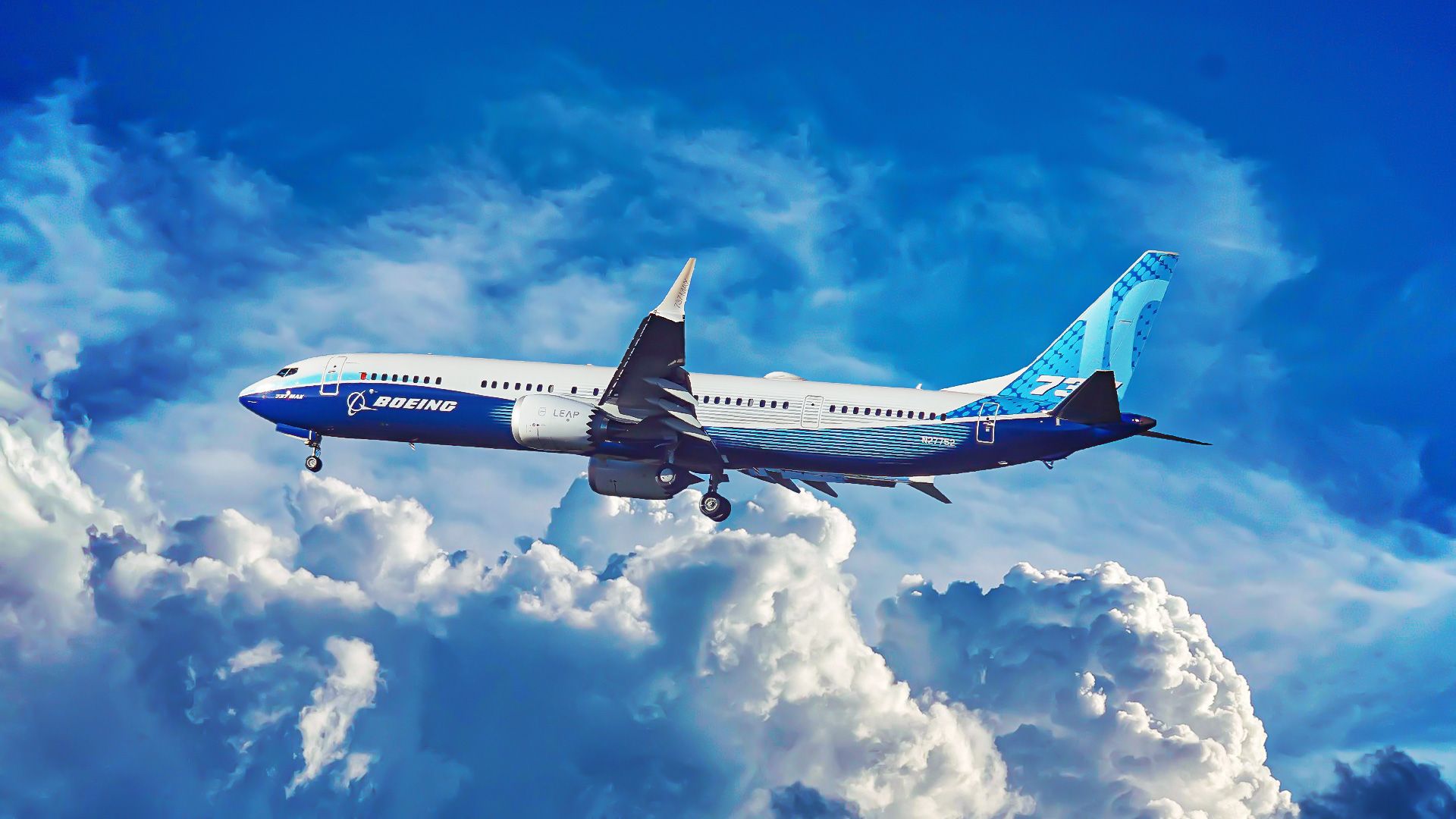
The question of whether the Boeing 737 MAX 10 is indeed the world’s most profitable large single-aisle aircraft remains unanswered as it has yet to enter commercial service. Boeing has actively promoted the MAX 10 as the economic pinnacle of its 737 family, appealing to airlines facing rising fuel prices, labor costs, and slot constraints. However, the profitability of an aircraft is contingent on various factors beyond just design, including certification timing and operational deployment.
With the MAX 10 still awaiting certification, any claims regarding its profitability remain theoretical. While Boeing asserts that the aircraft will deliver the lowest seat-mile costs among large single-aisle planes, real-world performance data is lacking. Current profitability assessments rely on performance modeling, which assumes ideal conditions such as high utilization and favorable route structures. In contrast, competitors like the Airbus A321neo are already operational and generating tangible returns across diverse business models.
Evaluating the Profitability Claims
Boeing’s assertion of unmatched profitability is underpinned by its focus on seating capacity, trip-cost efficiency, and fleet commonality. The MAX 10 can accommodate approximately 220 to 230 passengers in high-density configurations, allowing airlines to distribute fixed costs like fuel and crew over more seats. This is particularly advantageous for carriers already operating the 737 MAX, as it simplifies training and maintenance while enhancing operational efficiency.
Despite these advantages, the MAX 10 has notable limitations. Compared to the Airbus A321neo family, it offers less range, which constrains its ability to operate longer routes. This narrower mission profile suggests that its profitability is likely to shine on dense, short- to medium-haul routes rather than across a diverse range of networks.
Airlines that have ordered the MAX 10 typically view it as a tool for reducing costs rather than an outright profit generator. For instance, carriers such as United Airlines emphasize its cost-reduction capabilities on high-density routes while benefiting from fleet commonality. This cautious approach reflects a practical evaluation of new aircraft, focusing on manageable cost improvements rather than absolute profit guarantees.
The Competitive Landscape
Industry analysts have expressed cautious optimism regarding Boeing’s cost projections, particularly for airlines with dense networks. Yet, they also caution that ongoing certification delays undermine the aircraft’s financial viability. Each postponement not only delays revenue generation but also diminishes Boeing’s competitive edge. The MAX 10 has faced nearly seven years of delays in its expected entry into service.
A direct competitor, the Airbus A321neo, is often regarded as the current leader in profitability among large single-aisle aircraft. Its success is attributed to its flexibility, range, and proven performance across various routes, coupled with competitive unit costs. Unlike the MAX 10, the A321neo has demonstrated its operational economics, giving airlines greater confidence in its long-term profitability.
The A321neo has shown exceptional versatility, allowing airlines to deploy the aircraft on both high-density domestic routes and longer-haul missions. Variants such as the A321LR and A321XLR expand this flexibility, enabling airlines to achieve higher overall profitability despite slightly elevated operating costs.
In terms of fleet strategy, airlines have been strategic in their aircraft choices. For high-density short-haul routes, the MAX 10 is positioned as the lowest cost per seat option. In contrast, the A321neo is favored for long domestic routes due to its better range flexibility. The A321LR has become a choice for thin transcontinental routes, while the A321XLR is ideal for long-haul narrowbody missions.
As airline fleet decisions are influenced by factors such as residual values and lease-market perceptions, the A321neo’s established certification status and large delivery base contribute to its competitive advantage.
The future of the MAX 10’s profitability depends heavily on its certification timeline and operational deployment. Delays present significant risks, as they allow competitors to solidify their market positions and secure commitments from airlines. If Boeing fails to deliver the MAX 10 as promised, airlines may reconsider their orders.
Ultimately, while the MAX 10 has potential as a cost-reducing tool for airlines, its success will hinge on real-world performance rather than marketing claims. If it achieves certification and is effectively utilized, it could secure a prominent place among the most profitable narrowbody aircraft ever built. For now, however, the title of “most profitable” remains unproven.