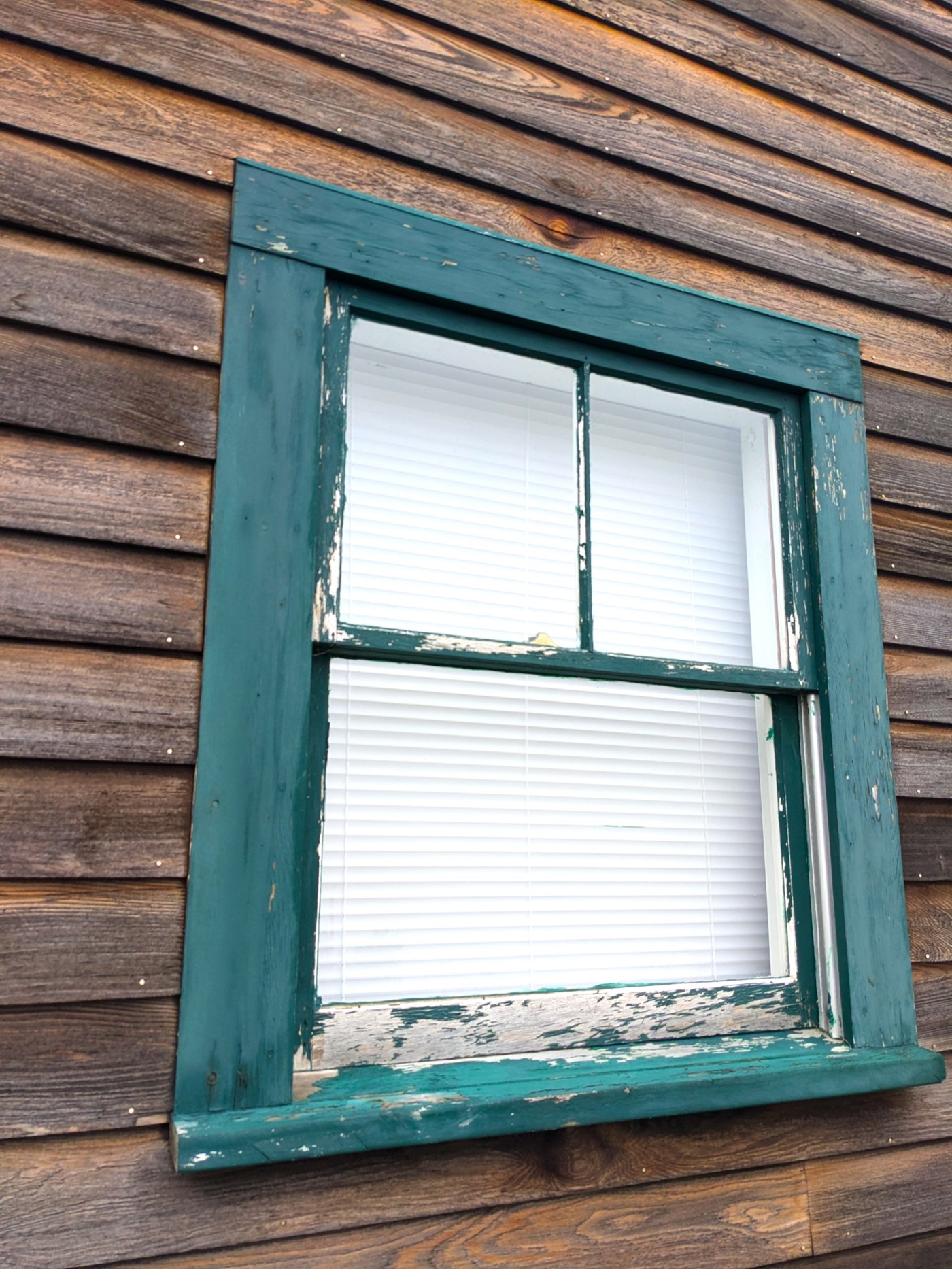
A recent discussion on exterior painting highlighted valuable insights from home improvement expert Tim Carter. Carter, who has spent decades in the industry, shared his experiences and techniques for achieving a long-lasting, professional finish. His advice stems from a deep understanding of paint chemistry, developed during his extensive career and a memorable tour of a large paint factory in Southern California.
Carter emphasizes that paint is essentially colored glue, with many formulations closely resembling yellow carpenter’s glue. He credits his first business partner, John, a physical chemistry Ph.D. who worked for a major paint manufacturer, for enlightening him on the adhesive properties of paint. The key component, known as resin, can vary significantly, with options like vinyl acetate, acrylic, and urethane. Carter’s favorite, urethane, has proven its durability, as evidenced by the pristine condition of his home in Cincinnati, painted in the late 1990s, which remains free of peeling or fading even after decades.
Preparation is crucial in the painting process, according to Carter. He advises homeowners to take a moment to read the instructions on paint cans carefully. A common directive is to apply paint to a “clean, dry, dust-free surface.” He draws a parallel between cleaning one’s body and preparing surfaces for painting, noting that effective cleaning requires more than just water; it demands agitation. He likens pressure washing to simply standing under a shower, stating that it often leaves behind dirt. Instead, he recommends using a brush designed for cleaning larger surfaces, along with a mixture of oxygen bleach and dish soap, to ensure a thorough clean.
Proper sealing is also essential. Carter stresses the importance of caulking any cracks that could allow water to infiltrate behind siding or around windows and doors. He suggests opting for high-quality, water-based caulk, allowing it to cure for 24 hours before applying paint.
When it comes to primers, Carter advises paying close attention to the label instructions. Some modern paints may not require a primer, while others do. It is crucial to recoat as soon as the primer is dry to the touch, as this fosters a better bond between the primer and the finish coat. He shares a cautionary tale from his own experience, recalling a day when he painted his garage in direct sunlight, resulting in blistering paint due to hot conditions.
Carter emphasizes the importance of using high-quality brushes for a superior finish. He recommends wetting the brush before dipping it into paint, which helps prevent hardened paint from accumulating. He has maintained brushes for over thirty years, demonstrating that proper care can extend their lifespan significantly.
For those interested in sharing their own exterior painting experiences or seeking advice, Carter encourages visits to his website, AsktheBuilder.com. He offers a free newsletter and coaching calls for DIY enthusiasts who may encounter challenges during their projects.
With such practical tips, homeowners can tackle exterior painting with confidence, ensuring lasting results that enhance the appearance and durability of their homes.